
What is the skinification trend?
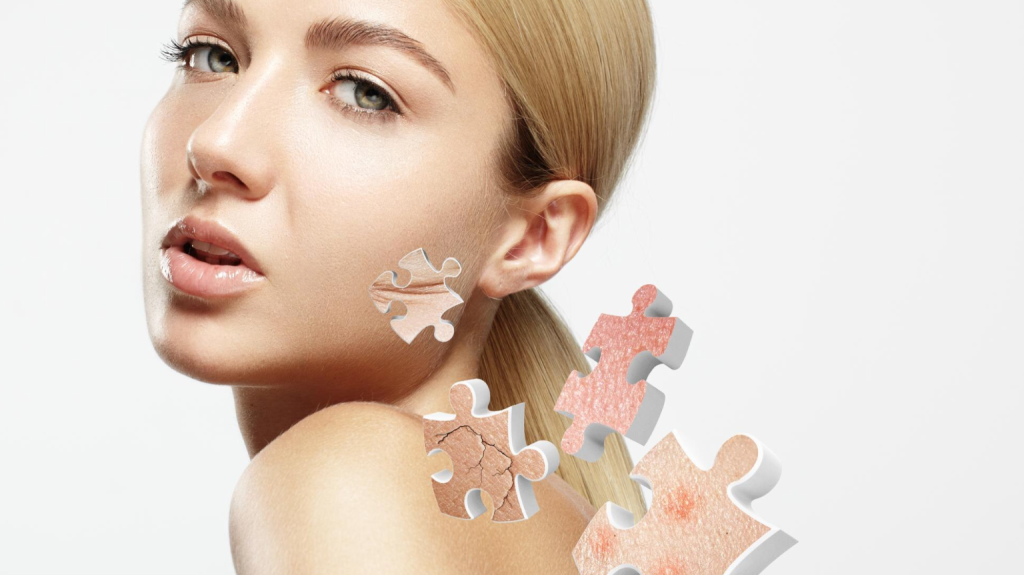
When I first heard the term “skinification”, it sounded like just another buzzy word floating around in beauty marketing. But the more I looked into it—and the more conversations I had with product developers, editors, and ingredient suppliers—the more I realized: this isn’t just a passing trend. This is a shift in how we formulate, how we use products, and how we think about skin itself.
Skinification is the growing trend of using facial-grade skincare ingredients—like hyaluronic acid and peptides—on the entire body, including the scalp, lips, and hair, to promote healthier, more radiant skin from head to toe.
Today, skincare-grade ingredients aren’t just living in glass jars labeled “serum” or “face cream.” We’re seeing hyaluronic acid show up in shampoos, retinol in body lotions, and ceramides in lip treatments. Even oral care is getting a glow-up. This is skinification in action: the idea that every inch of our body—from scalp to soles—deserves the same thoughtful, targeted care we once reserved only for the face.
But this movement isn’t just happening on ingredient labels. It’s taking shape in how we position products, educate consumers, and tell brand stories. I’ve watched DTC founders reframe their shampoo as a “scalp serum in disguise,” while beauty editors now treat hand cream as a serious part of their anti-aging routine. What started on TikTok has rapidly become a strategic tool in product development and brand differentiation.
In this article, I’ll break down what skinification really means—beyond the buzz—and walk you through the science, the strategy, and the opportunity. Whether you’re building products, reviewing them, or simply trying to make smarter choices about what you put on your skin, I promise you: skinification is worth paying attention to.
Let’s get into it.