
K-Beauty Skincare Trends 2026 & 2027: What’s Popular and What’s Next
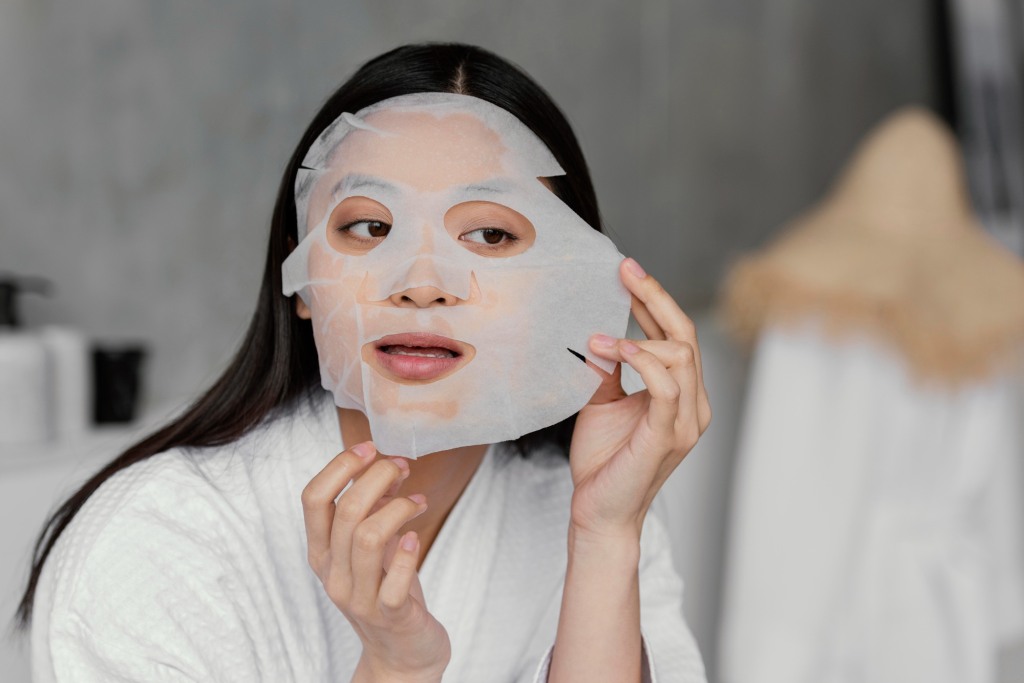
K-beauty continues to influence global skincare trends through innovation in ingredients, formulations, and skin-first philosophies focused on hydration, barrier care, and long-term skin health.
Over the past decade, K-beauty has evolved from a regional trend into a global benchmark for skincare innovation. Its influence is driven not only by unique ingredients, but also by a holistic approach to skin care that emphasizes prevention, consistency, and overall skin balance. As consumer expectations shift toward healthier, more resilient skin, K-beauty continues to shape how products are developed, formulated, and positioned worldwide.
At the same time, the concept of “glass skin”—once centered on visible radiance and smooth texture—is evolving into a more functional approach focused on hydration, barrier integrity, and long-term skin stability. Rather than pursuing instant results, modern K-beauty trends emphasize maintaining skin health through layered hydration, gentle formulations, and sustained care over time.
This shift is creating new opportunities in product development. As K-beauty continues to redefine what effective skincare looks like, understanding these trends is essential for identifying product directions, selecting the right ingredients, and developing formulations that align with both market demand and long-term skin health goals.
Top 15 Skincare & Cosmetic Manufacturers in China 2026
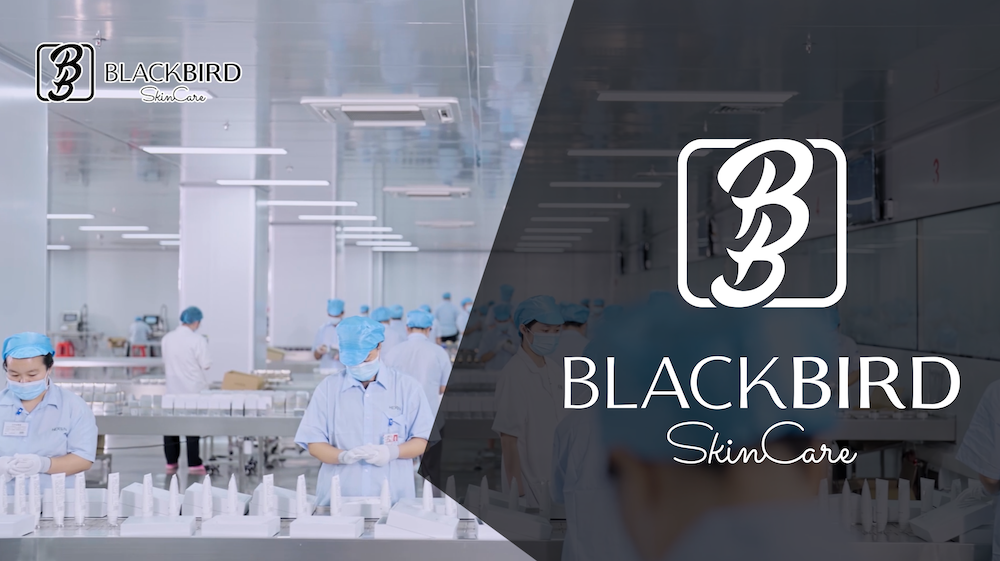
Over the past few years, I’ve seen a significant shift in how global beauty brands approach manufacturing—and China has become a central part of that conversation. What was once viewed primarily as a cost-driven sourcing destination has evolved into a highly capable, innovation-driven manufacturing hub that supports brands at every stage of growth.
Today, Chinese skincare and cosmetic manufacturers offer far more than production. They combine advanced formulation capabilities, integrated supply chains, flexible production models, and faster development cycles, making them especially attractive in a market where speed and adaptability are critical. Whether it’s clean beauty, active-driven skincare, or multifunctional products, many manufacturers in China are now able to deliver solutions that meet both performance expectations and global standards.
In this guide, I’ve selected the Top 15 Skincare & Cosmetic Manufacturers in China for 2026, based on their strengths in R&D, production capacity, flexibility, and ability to support international brands. Some specialize in large-scale manufacturing, while others focus on customization and startup-friendly services—but all of them represent the evolving landscape of cosmetic manufacturing in China.
For brands looking to build, launch, or scale their product lines, understanding these manufacturers is not just helpful—it’s a strategic advantage in an increasingly competitive global beauty market.