
Bubble Skincare Balancing Toner : Private Label Skincare Ingredients Revealed
Bubble Skincare’s Balancing Toner combines hydration, soothing, and protection, featuring ingredients like Rosa Damascena for calming, Glycerin for hydration, and Sea Water for detoxification. It includes Niacinamide for skin strengthening, Willow Bark for exfoliation, and Echinacea for protection. The formula is free from harsh chemicals, reflecting a commitment to ethical skincare.
How Private Labels Choosing Face Cleansers
Choosing the right facial cleanser for a private label is crucial, as it forms the foundation of the brand and influences customer trust. This guide delves into the nuances of different types of cleansers, their roles in skincare, and how to choose the best fit for your brand, considering market trends, consumer needs, and brand ethos.
Mastering Ingredient Selection for Your Private Label Body Wash Line
Private label body washes prioritize ingredients for specific needs: Glycerin and shea butter ensure deep moisturization, sodium lauryl sulfate offers effective cleansing, while natural enthusiasts prefer tea tree oil and chamomile. Addressing specific concerns, salicylic acid targets acne, and hyaluronic acid ensures intense hydration.
Launching Your Private Label Body Cleanser Line: Types, Consumer Insights, and Branding Tips
Private label body cleansers range from basic, trusted soaps to luxurious scented versions. Modern shower gels appeal to urban youth, while moisturizing body washes prioritize skin health. Exfoliating variants offer spa-like rejuvenation, and natural options cater to eco-conscious consumers. Antibacterial products ensure enhanced hygiene and safety.
Trends and Tips for Private Label Facial Serums
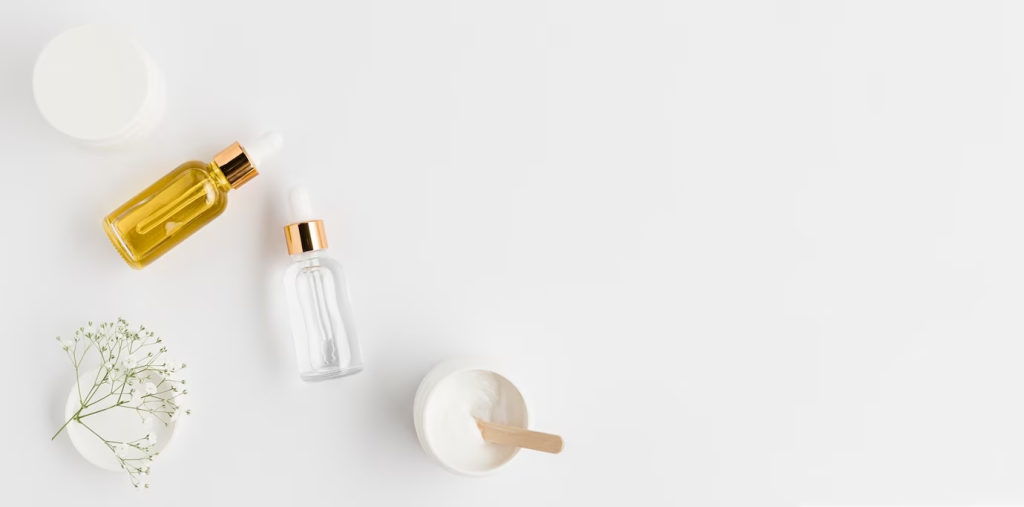
Understanding the history of facial serums is an invaluable roadmap for private labels seeking to create products that resonate with today’s discerning consumers. This journey takes us from the potent, nature-derived serums of ancient civilizations, through the scientific advances of the 20th century, to the current trends in personalized, ethically sourced serums. Recognizing the intricate dance between past innovations and current market demands can guide brands toward successful, enduring products.
Guide to Selecting Body Care Products for Your Private Label Brand
Private label body care products offer a range of solutions catering to diverse needs: Essentials like soaps and shower gels revitalize and offer freshness; moisturizers provide hydration, resolving dryness; specialized hand & foot care items address often overlooked areas; targeted solutions like cellulite creams alleviate specific concerns; sunscreens protect against harmful sun effects; hair removal products offer smooth, hair-free skin; bath products transform bathing into a relaxing experience; and massage oils provide stress relief and overall wellness.
Packaging for Private Label Facial Serums
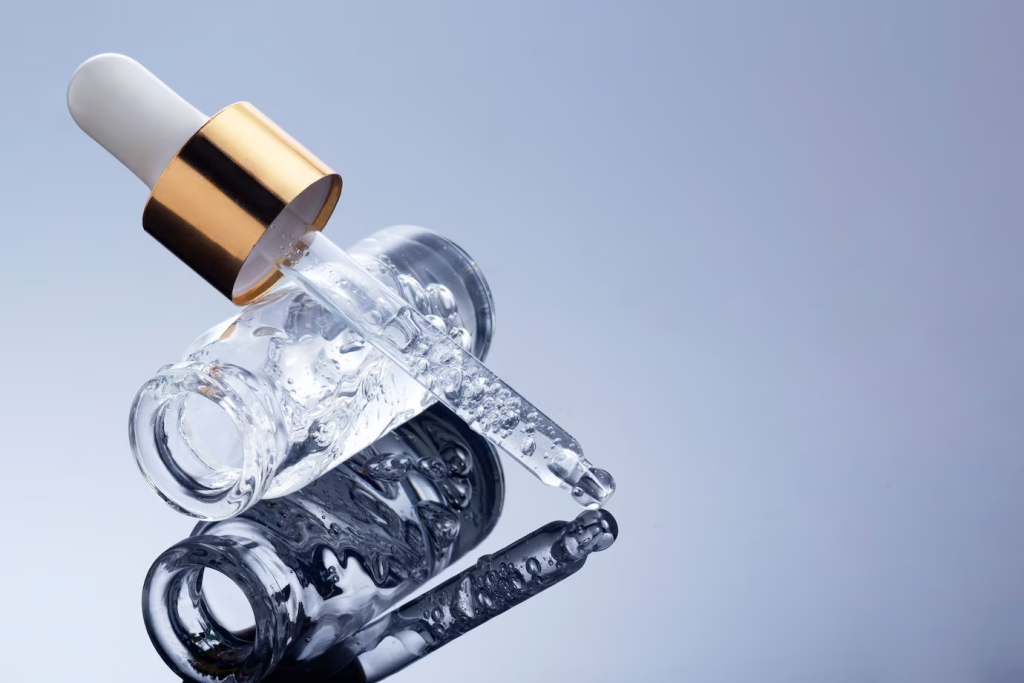
Choosing the right packaging for your facial serum isn’t just about aesthetics; it’s a critical decision that affects product integrity, brand perception and customer satisfaction. From dropper bottles to airless containers and disposable ampoules, each type of packaging caters to different serum types and user preferences. But beyond what meets the eye, factors such as transportation, cost-effectiveness, environmental impact and the serum’s ingredients all play a crucial role in making an informed choice. Ultimately, the best packaging for your brand is one that matches your positioning, appeals to your target audience and preserves the quality of your serum from production to application.
Pick the right cntainer for private-label Face creams
Choosing the right container for private-label face creams is crucial for brands aiming to resonate with their target audience. The article delves into three primary packaging types: jars, tubes, and pumps. Jars, traditional and luxurious, are ideal for thicker creams and appeal to men who prefer a classic skincare approach. Tubes, on the other hand, are portable and perfect for on-the-go applications, catering to active individuals. Pumps offer a modern, hygienic dispensing method, favored by those who prioritize cleanliness. The choice of material, be it glass, plastic, or metal, also plays a significant role, with each having its advantages and considerations. Glass signifies luxury, plastic offers durability, and metal exudes modernity. Brands must also consider sustainability, cost implications, and design elements that resonate with their target demographic. In the ever-evolving beauty industry, innovative packaging can set a brand apart, enhancing user experience and ensuring product value.
15 Types of Private Label Hair Growth Oils
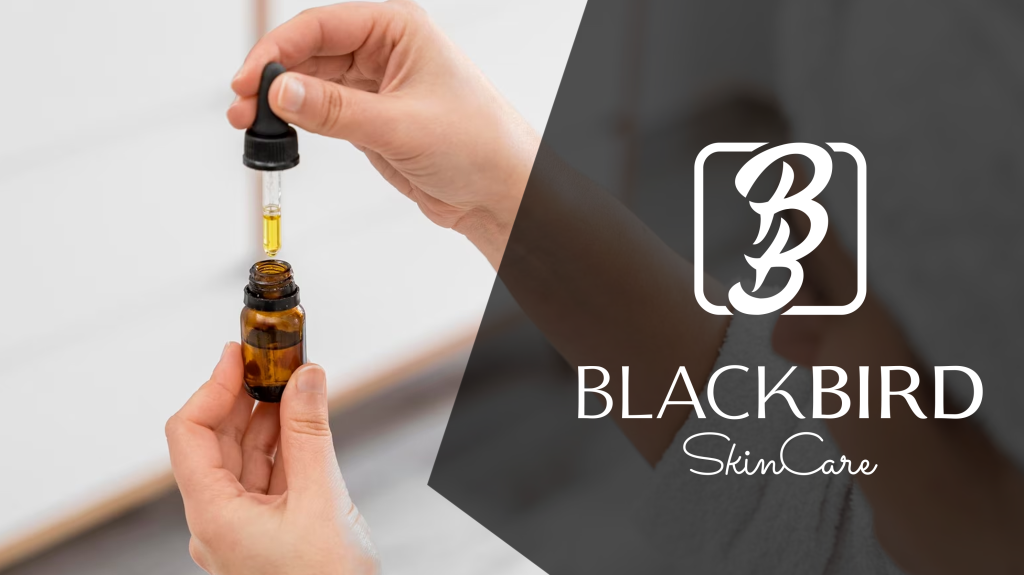
Discover the transformative power of 15 private label hair growth oils, each catering to distinct hair needs. From the deep nourishment of coconut oil ideal for dry, frizzy hair, to the lightweight almond oil that combats hair thinning, these oils offer targeted solutions. Grapeseed oil, perfect for oily scalps, and castor oil, a remedy for dandruff, are must-haves. Olive oil revitalizes damaged hair, while peppermint oil invigorates the scalp. Rosemary and lavender oils stimulate hair growth, and tea tree oil offers a deep scalp cleanse. Argan oil tames frizz, whereas thyme and cedarwood oils effectively combat hair loss. Clary sage oil prevents follicle clogging, bergamot maintains scalp health, and jojoba oil adds a rich luster to hair. Tailor your hair care routine with these oils for a revitalized, healthy mane, suitable for various occasions from business meetings to photo shoots.
Private Label How to Choose the Right Hair Growth Products
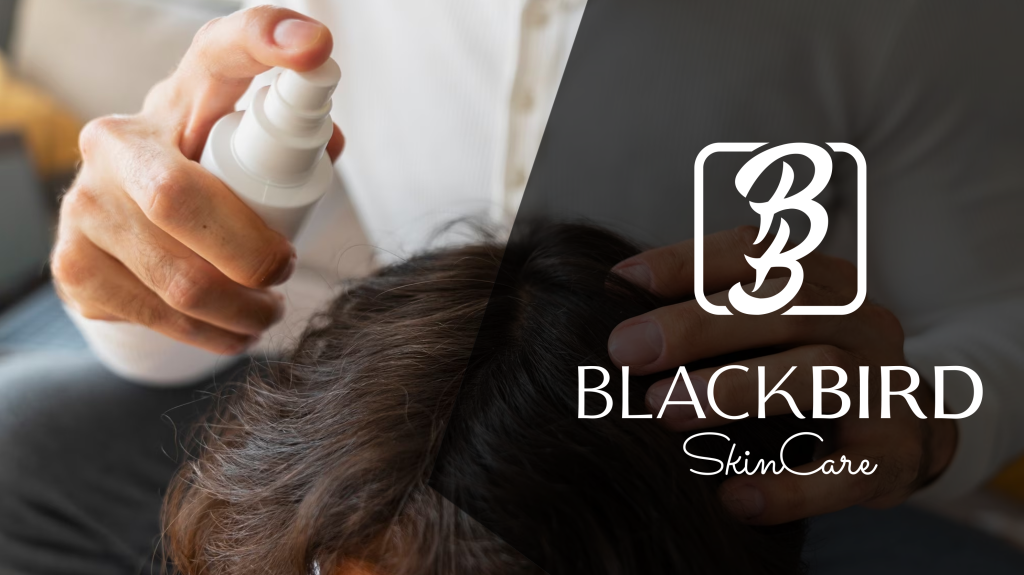
For a successful private label in hair growth, conduct market research to identify trends, gather customer feedback for product development, and analyze competitors to differentiate and address genuine consumer needs.