
Is PDRN Worth Launching for Your Beauty Brand?
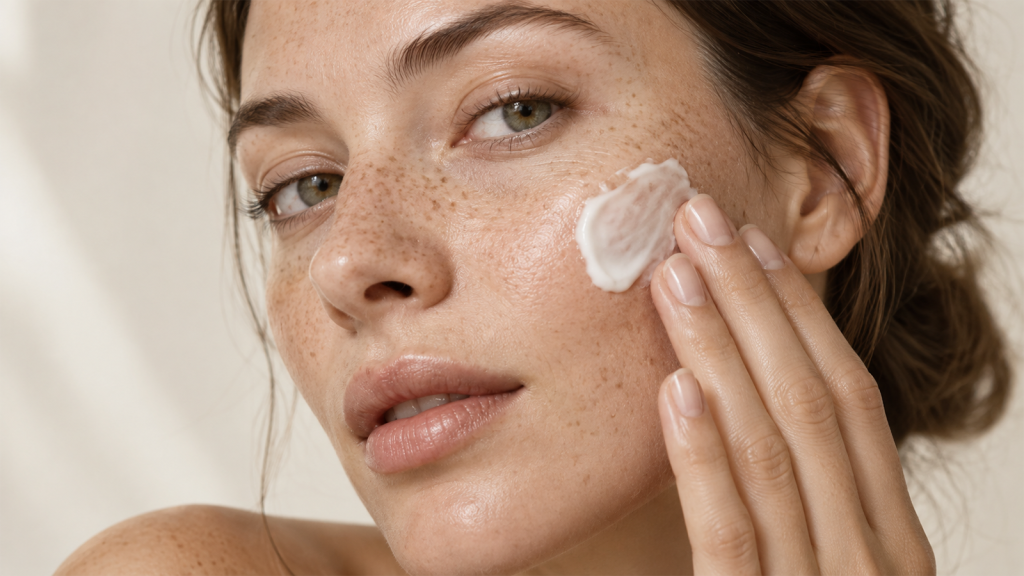
PDRN can get onto a brand’s radar in a lot of ways. Maybe your team keeps seeing it on TikTok. Maybe a competitor has launched a PDRN serum. Maybe a retailer, distributor, supplier, or trade show conversation has brought it up. Or maybe you’ve noticed that more established skincare brands are starting to develop with […]
Hydrogel Eye Patch Trends: Opportunities for Private Label Skincare Brands

Hydrogel eye patches have become a growing skincare category as consumers increasingly seek targeted, convenient, and experience-driven beauty solutions. With strong appeal across hydration, brightening, and anti-aging skincare routines, eye patches are gaining attention from beauty brands looking for new product opportunities.
For private label skincare brands, hydrogel eye patches offer a flexible way to expand product portfolios and develop differentiated skincare products. However, creating a successful product requires more than selecting a standard formula — brands need reliable manufacturing partners with expertise in formulation, customization, and scalable production.
This guide explores hydrogel eye patch market trends, product development opportunities, and key considerations for brands looking to create their own private label eye patch products.
Why Jelly Textures Are Gaining Attention in Skincare?
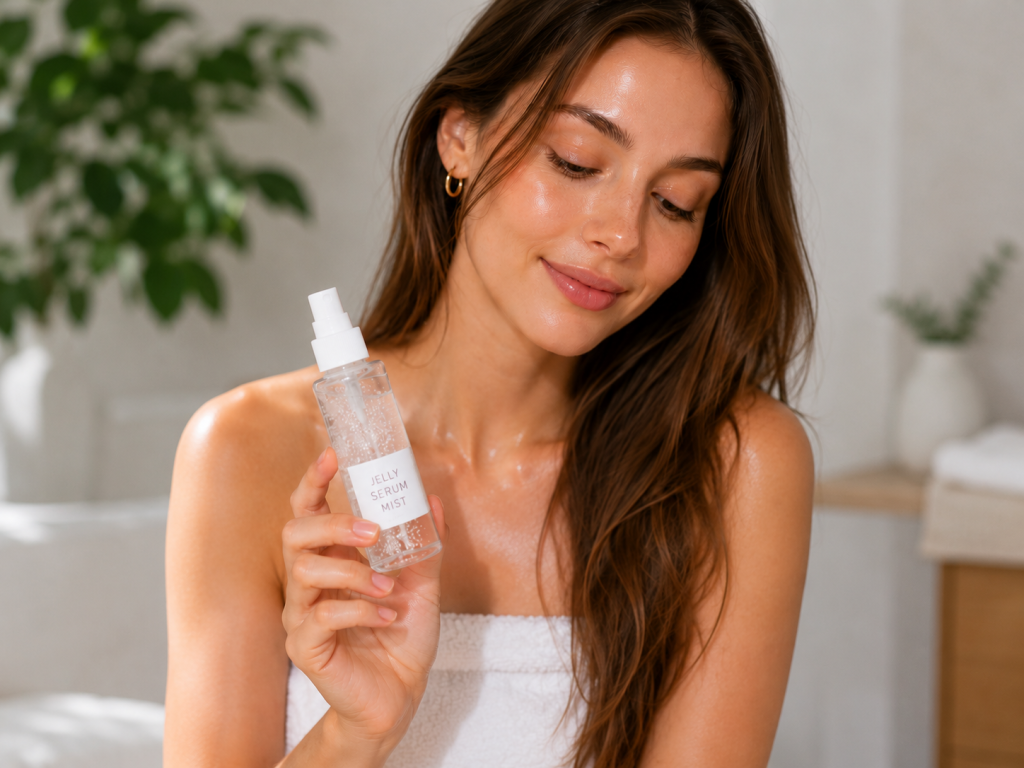
Jelly textures are trending because they combine sensory appeal, lightweight hydration, and visually distinctive textures and application moments in a way that aligns closely with modern skincare preferences. Consumers are increasingly drawn to products that feel refreshing, absorb comfortably, and create a fresher and more interactive skin feel, while brands are using jelly-inspired formats to build stronger visual identity and product differentiation. Their popularity is also being accelerated by social media, where texture, movement, and transformation have become an important part of how skincare products are discovered and shared.
Menopause Skincare Trends in 2026: Opportunities for Brands
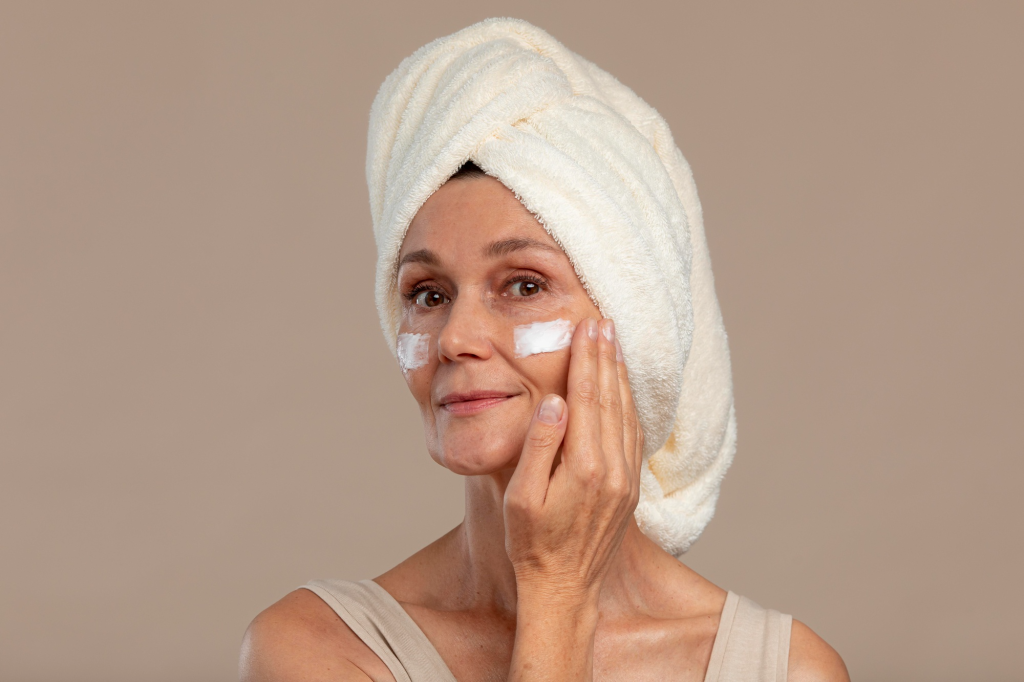
Menopause skincare is gaining attention as hormonal changes create specific concerns such as dryness, sensitivity, and loss of elasticity. For brands, it represents a growing opportunity to develop targeted, low-irritation products focused on barrier repair, hydration, and multi-functional anti-aging—serving an underserved but high-value consumer segment.
Top 13 Skincare Trends to Watch in 2026

2026 is shaping up as a transition year — a moment where skincare evolves beyond surface-level beauty and becomes a branch of long-term skin health management. The traditional approach of treating skincare like makeup with added moisture is fading. In its place comes a philosophy built on prevention, barrier resilience, and biological longevity. Instead of asking Whatmakes my skin glow today?, more consumers are asking What keeps my skin youthful 10 years from now?This shift in mindset is pushing the entire industry to move from appearance-focused beauty to true dermatological wellbeing.
The expectations placed on products are also changing. Quick-fix promises or “instant radiance” claims are no longer convincing on their own; buyers want formulations that are clinically supported, physiologically meaningful, and trackably effective. Demand is rising for ingredients that do more than brighten — they repair DNA damage, protect the microbiome, regulate inflammation, and sustain collagen architecture. Regenerative technologies such as exosomes, growth factors, multi-peptides, and longevity-based actives are entering mainstream product development because they align with this new long-horizon way of thinking.
At the same time, technology is expanding what skincare can achieve. AI-driven analysis, biotech-fermented actives, and dermatological research are merging with formulation science, enabling hyper-targeted and biologically intelligent product design. Skincare is no longer separated into categories like “beauty” and “science”; the future blends them into one. This convergence — biological prevention, evidence-backed innovation, and intelligent formulation — is why 2026 stands out as a defining turning point. Skincare is no longer just cosmetic; it is functional, preventative, and increasingly personal.
This guide explores the Top Skincare Trends to Watch in 2026, revealing where ingredients, product development, consumer expectations and technology are heading next — and how brands can align with the future rather than follow it. The trends that lead will be those rooted in science, built for long-term skin health, and capable of proving real, measurable results.
Exosome Skincare: The Future of Anti-Aging
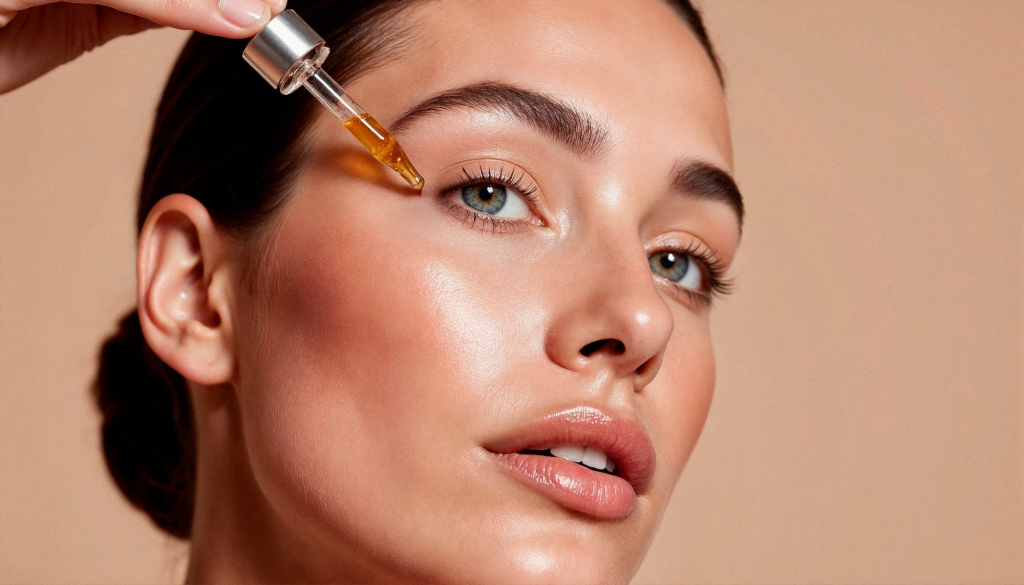
For decades, the anti-aging industry has focused on one main objective — repairing visible damage. Formulators have relied on ingredients that stimulate exfoliation, boost collagen, or hydrate the skin from the surface. While these methods deliver short-term improvement, they often target the symptoms of aging rather than its root causes. Today, however, skincare science is […]
PDRN Skincare: The Future of Skin Regeneration in 2025 & 2026
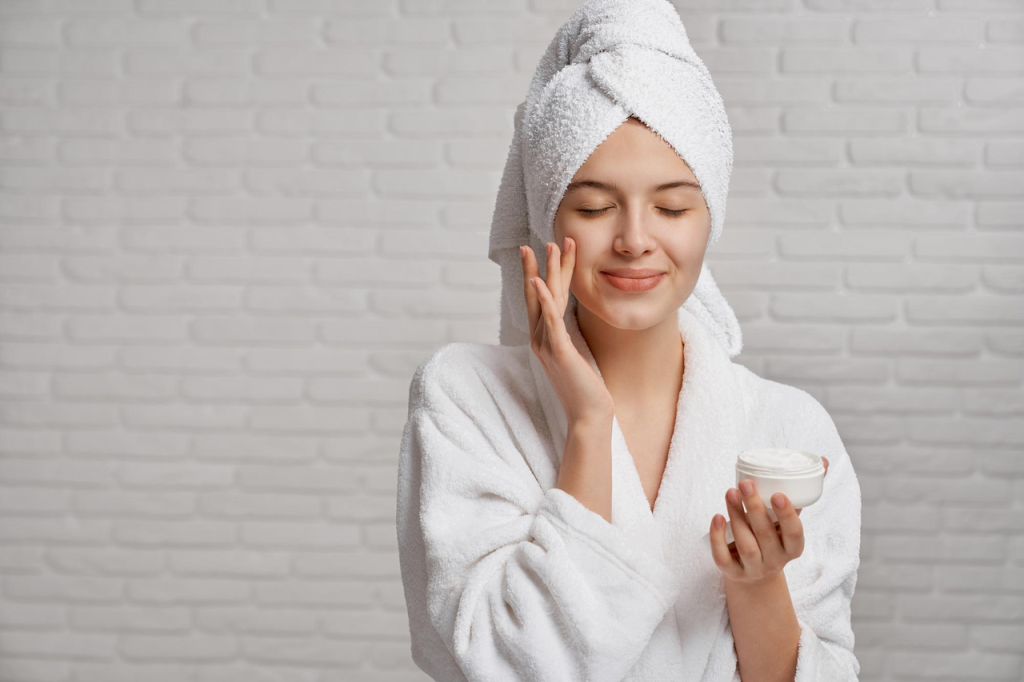
Over the past decade, skincare has evolved from simply repairing the skin’s surface to actively regenerating it from within. This shift marks the rise of regenerative skincare—a movement driven by the convergence of biotechnology and dermatological science. Consumers today no longer seek short-term hydration or anti-aging promises; they want ingredients that deliver true cellular renewal, restoring vitality and resilience at the biological level.
At the center of this new era is PDRN (Polydeoxyribonucleotide), a remarkable DNA-based compound originally developed for medical use. Derived from salmon or trout DNA fragments, PDRN was first applied in wound healing and tissue regeneration therapies, where it demonstrated the ability to accelerate repair and improve skin structure at a cellular level. Over time, researchers discovered its exceptional potential for cosmetic applications — stimulating fibroblast activity, enhancing collagen production, and improving microcirculation. What once belonged exclusively to clinical injections and aesthetic medicine is now crossing into mainstream skincare through advanced topical formulations such as serums, ampoules, and recovery creams.
This transition from medical to beauty innovation represents one of the most exciting developments in modern cosmeceutical science. As consumers demand visible, science-backed results, and as clinics and brands look for ways to extend in-office treatments into daily home care, PDRN provides the perfect bridge. It connects biotechnology’s precision with the sensorial experience of luxury skincare, redefining what “repair” truly means.The years 2025 and 2026 will be defining for PDRN skincare, as three global forces converge to accelerate its growth: continuous biotech advancement, which makes DNA-based ingredients more stable and efficient; increasing emphasis on sustainability and ethical sourcing, driving the development of plant-based and bio-identical PDRN alternatives; and the rapid expansion of private label manufacturing, allowing brands to create differentiated, science-backed product lines that meet rising consumer expectations for performance and credibility.
In essence, PDRN skincare is not a fleeting trend—it represents the next frontier of skin regeneration and the foundation of high-performance, science-backed beauty. For innovators, product developers, and private label brands alike, understanding PDRN today means staying ahead of the evolution shaping skincare’s future.
Top 8 Anti Acne Market Trends in 2025
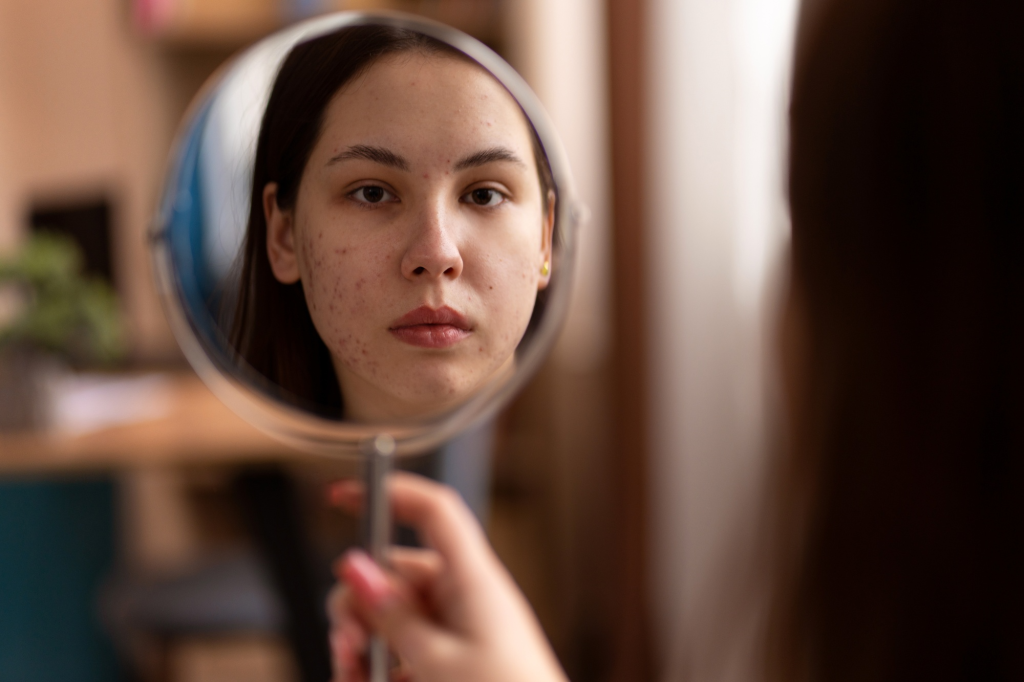
Acne is no longer seen as a teenage rite of passage—it’s now a chronic skin health concern impacting adults of all ages and skin types. In 2025, the global acne skincare market continues to expand, driven by rising incidences of hormonal imbalances, lifestyle-induced flare-ups, and environmental stressors like pollution and blue light. Consumers are no […]
Top 11 Gen Z Skincare Trends in 2025 & 2026
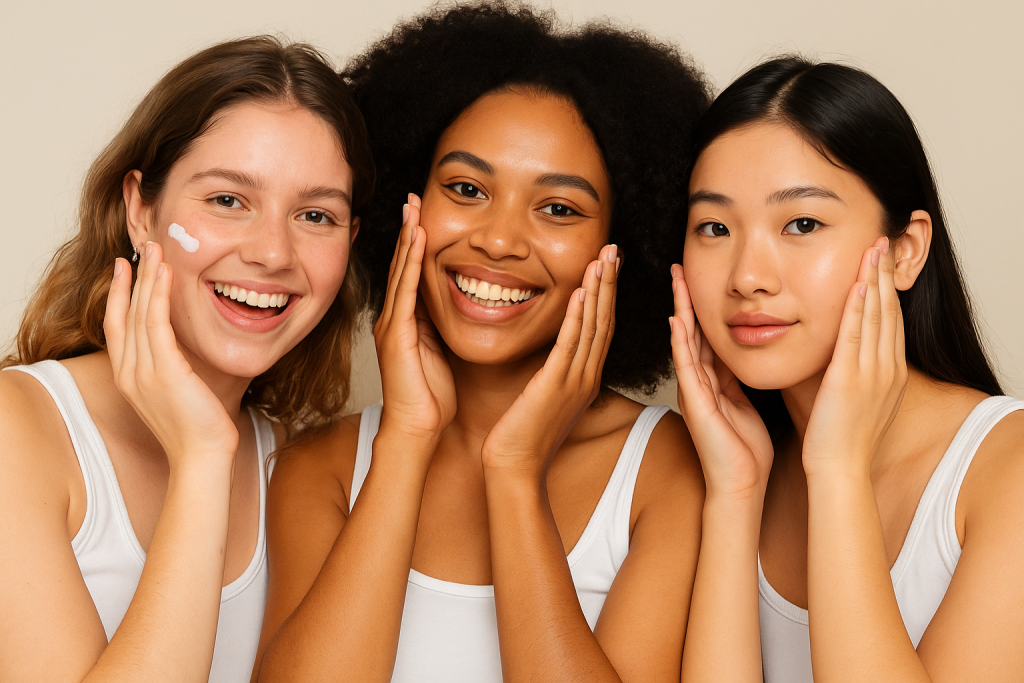
As we head into 2025 and 2026, one generation is clearly steering the future of skincare—and it’s not who legacy brands were built for. Gen Z, born between the mid-1990s and early 2010s, is no longer a secondary audience; they are a primary force reshaping what skincare means, how it’s used, and how it’s purchased.
What makes Gen Z different isn’t just their age—it’s their values. This is the first generation raised with both social media and instant access to information. They’ve grown up decoding ingredient lists on TikTok, double-tapping packaging that aligns with their identity, and demanding more from brands than just promises of “glow.” Their standards are higher. Their radar for inauthenticity is sharper. And their influence stretches beyond skin-deep beauty—they want function, ethics, and emotional alignment, all in one product.
Sustainability isn’t optional. Diversity is expected. Ingredient transparency is non-negotiable. And clinical efficacy must be communicated in a way that’s not intimidating. For Gen Z, skincare is a form of self-expression, self-protection, and self-education.
In this guide, I’ll walk you through the top 11 skincare trends Gen Z is leading into 2025 and 2026. These aren’t fads—they’re long-term shifts that will shape product development, marketing, and brand loyalty for years to come. Whether you’re a founder, formulator, or someone looking to understand where beauty is headed next, this is where the future starts.
Top 10 Scalp Care Trends in 2025 & 2026
Scalp care is no longer a niche topic—it has become a mainstream beauty category that merges haircare, skincare, and wellness into one cohesive ritual. As the beauty industry enters 2025 and beyond, a noticeable shift is taking place: consumers are no longer just concerned with how their hair looks but with how healthy their scalp feels. This transition from cosmetic quick fixes to root-level, science-based care is reshaping product innovation, brand messaging, and consumer expectations.
Several powerful forces are accelerating this evolution. Younger demographics like Gen Z and Millennials are leading the charge, driven by a wellness-first mindset and a desire for holistic solutions. These consumers are highly informed, digitally fluent, and deeply interested in ingredients, formulation transparency, and long-term results. Their demands are pushing the industry to reframe the scalp—not as an afterthought, but as an essential part of daily self-care.
In addition, the rise of “skinification” in haircare has blurred the lines between traditional skincare and scalp care. Ingredients like hyaluronic acid, niacinamide, ceramides, and probiotics—once limited to facial products—are now widely embraced in shampoos, scalp serums, and exfoliating treatments. At the same time, the influence of social media, clean beauty, and personalized wellness has expanded what consumers expect from scalp-focused routines.
This guide explores the top 10 scalp care trends set to define 2025 and 2026. From AI-driven personalization to microbiome-targeted formulations, each trend reflects a deeper understanding of consumer behavior, global market shifts, and the merging of dermatological science with beauty innovation. Whether developing new products or fine-tuning existing lines, these insights offer a blueprint for staying relevant and competitive in a rapidly maturing category.