
Many Gen Z Americans Have Sun Safety All Wrong

When I first began exploring Gen Z’s relationship with sun safety, I expected to find a well-informed generation — one raised in the era of skincare influencers, SPF memes, and “wear your sunscreen” reminders plastered across TikTok. What I found instead was something far more complex: a generation deeply immersed in skincare culture, but quietly misinformed about the most basic form of protection.
We often assume that cultural visibility translates to behavioral change. After all, Gen Z is the most digitally connected demographic in history. They’re the ones driving the clean beauty movement, advocating for cruelty-free products, and questioning every ingredient on a label. But when it comes to sunscreen — arguably the most critical daily habit for long-term skin health — many of them are still operating on myths passed down from older siblings, outdated school health lessons, or TikTok trends that prioritize aesthetics over accuracy.
One of the most striking statistics I came across was this:
Many Gen Z individuals misunderstand sun safety—over half regret not protecting their skin earlier, with 22% already seeing sun damage and 28% unaware that UV exposure causes premature aging.
Best Ingredients for Dark Circles in 2025: A Comprehensive Guide
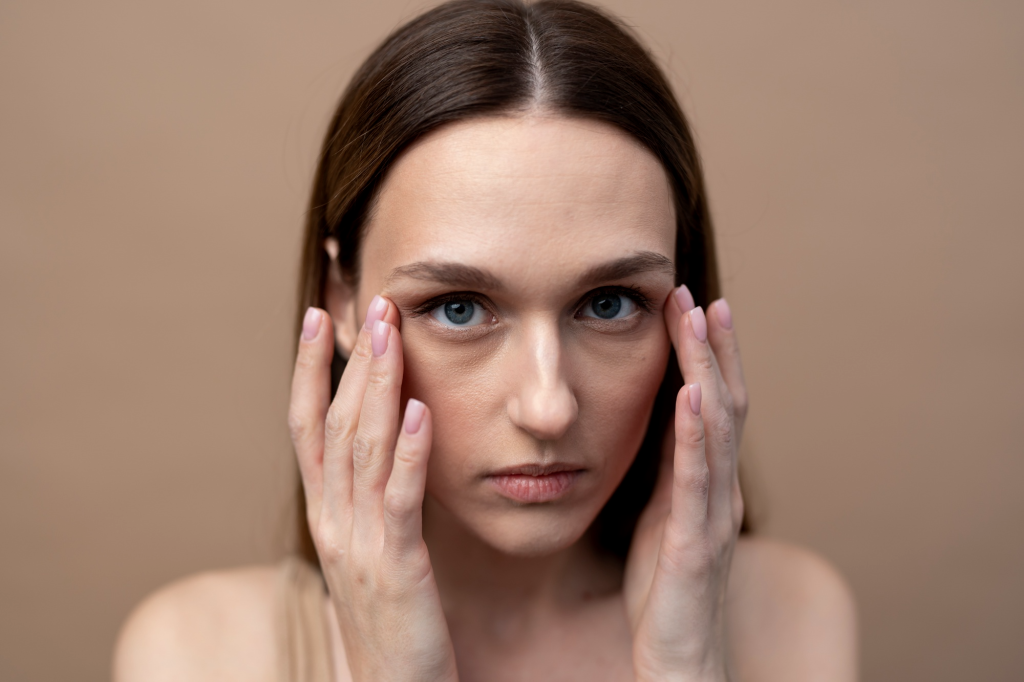
If you’ve ever looked in the mirror and fixated on the tired, shadowy rings under your eyes—know this: you’re not alone. In 2025, concerns about dark circles remain one of the top reasons consumers seek out targeted eye care products. Yet despite the flood of creams, serums, and “overnight miracle” solutions on the market, few actually deliver consistent, visible results.
Why? Because not all dark circles are created equal—and not all ingredients are suited to treat them.
Some circles stem from pigmentation. Others are caused by puffiness, vascular congestion, thinning skin, or lifestyle triggers like screen fatigue and poor sleep. The solution? Understanding what’s behind your specific type of dark circles, and choosing ingredients with proven functionality—not marketing fluff.
As a skincare manufacturer and product development partner, I’ve worked closely with global brands to formulate under-eye products that actually work. This guide distills that experience into a practical, ingredient-first resource designed to help you navigate the 2025 skincare landscape with clarity and purpose.
In the sections ahead, we’ll break down the science-backed actives—both tried-and-true and next-gen—that are leading the charge in dark circle correction this year. Whether you’re looking to formulate a new eye serum, upgrade an existing product line, or simply educate yourself on what truly works beneath the surface, this guide is built to inform, inspire, and equip you for better decisions.
Let’s get started by understanding what really causes dark circles—because only then can we treat them effectively.
Best sunscreen ingredients and which ones to avoid
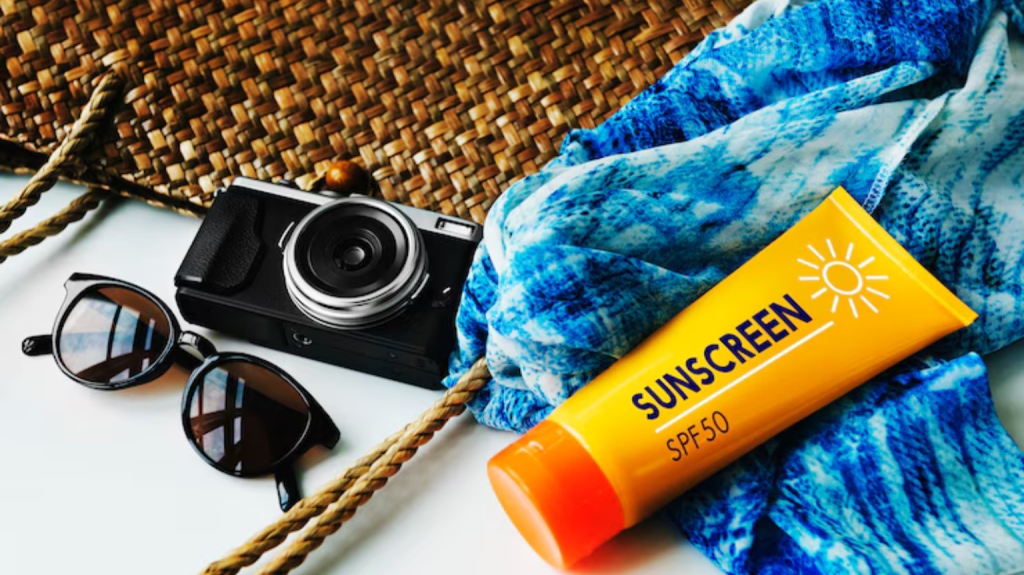
I still remember the first time I had a reaction to a sunscreen. I was hiking in dry weather, thought I’d done everything right — high SPF, water-resistant, a brand that seemed reputable. But within an hour, my skin felt tight and irritated, and by the next morning, I was dealing with a stubborn rash that took days to calm. That moment changed the way I looked at sunscreens forever.
For safe and effective sun protection, choose mineral-based sunscreens with zinc oxide or titanium dioxide, which offer broad-spectrum coverage, and avoid harmful ingredients like oxybenzone, octinoxate, and retinyl palmitate due to their links to skin irritation, hormone disruption, and environmental damage.
Since then, I’ve spent years immersed in formulation work — not just making sunscreen, but studying how different filters affect the skin, how regulations vary around the world, and why some ingredients continue to show up in products despite growing concerns from dermatologists, regulators, and everyday users.
If you’ve ever felt overwhelmed reading a sunscreen label — or wondered why your skin reacts to some formulas but not others — you’re not alone. And if you’re creating your own skincare line or guiding others in choosing safer options, knowing what’s inside that tube is more important than ever.
Men’s Grooming Trends for 2025: The Ultimate Guide
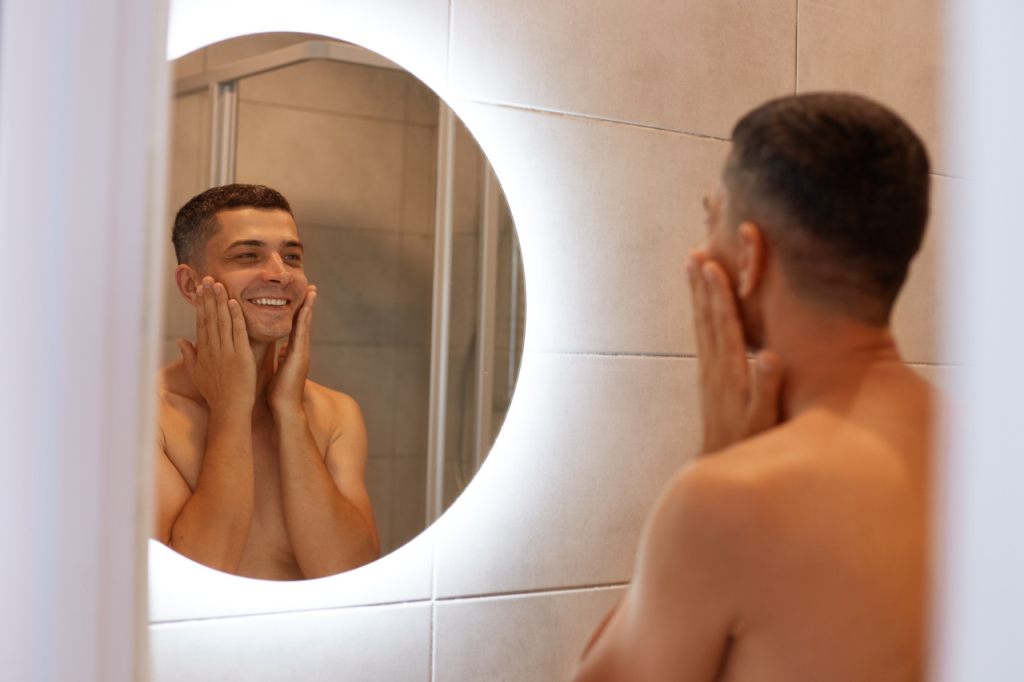
In recent years, I’ve observed a quiet revolution happening in the men’s personal care aisle—and in 2025, that shift is no longer subtle. What was once considered a niche or secondary market has evolved into a dynamic, fast-expanding category where innovation meets demand. Men today aren’t just shaving and spraying cologne—they’re investing in skincare routines, exploring scalp serums, and even comparing supplement stacks for beard growth or skin health. And they’re doing it with intention.
This evolution isn’t a passing trend; it reflects something deeper. I see men embracing self-care not as a luxury, but as a form of self-respect. Whether it’s a minimalist moisturizer for post-gym recovery or a multifunctional serum that tackles both oil control and fine lines, the modern grooming shelf looks very different than it did just five years ago.
In this guide, I’ll walk you through what’s driving this transformation—what men are really looking for in 2025, which product categories are heating up, and how brands (especially private label brands) can meet the moment. From daily skincare rituals to body care innovation and supplement integration, this isn’t just about keeping up with trends—it’s about understanding a cultural shift that’s redefining how men take care of themselves.
Ready to future-proof your brand? Let’s dive into the market fundamentals and see why 2025 may be the most pivotal year yet for men’s grooming.
Meet Blackbird at Cosmoprof 2025 to Discover The Next Revolution in Skincare
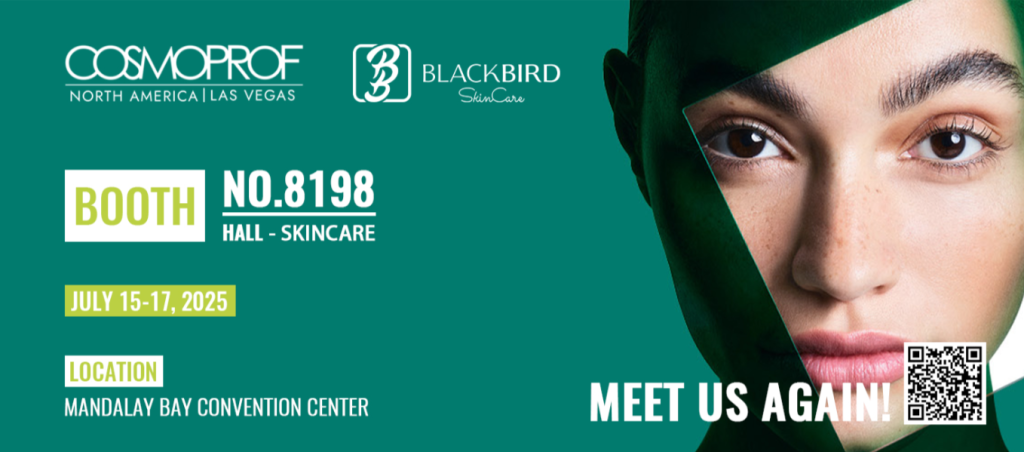
We are excited to announce that Blackbird Skincare will be exhibiting at the 22nd edition of Cosmoprof North America (CPNA) — one of the most influential B2B beauty trade shows in the Western Hemisphere. This year’s event will take place from July 15 to 17, 2025, at the Mandalay Bay Convention Center in Las Vegas, […]
Top 12 Facial Serum Trends in 2025

Once viewed as an optional “booster step” in skincare, facial serums have now become the backbone of modern routines. Consumers no longer treat serums as extras—they expect them to deliver real results with concentrated actives, minimal fluff, and visible benefits. What was once a luxury add-on has evolved into the category that defines skincare innovation.
By 2025, serums are not just selling well—they’re shaping brand perception. This shift is being driven by three major forces: rising consumer sophistication, biotech-powered ingredient breakthroughs, and a strong industry push toward performance-based brand positioning. Today’s skincare shopper is better educated, more ingredient-aware, and far more intentional about what they apply—and why. They’re seeking multifunctional, fast-absorbing formulations that fit seamlessly into streamlined routines but still deliver targeted results.
This makes 2025 a turning point. It’s no longer enough to offer a generic “hydrating serum” or rely on a popular buzzword ingredient. Brands—especially private label and emerging players—must understand not just what’s trending, but why it’s trending and how to position those trends within a credible product story. From microbiome care to neurocosmetics, from waterless serums to region-specific actives, the market is splintering into specialized directions that reward brands who stay ahead of the curve.
This article is designed to go beyond trend-chasing. You won’t find a superficial list of “hot ingredients” here. Instead, you’ll find a strategy-oriented breakdown of the 12 most important serum trends shaping 2025—what’s driving them, what ingredients or formats are at the center, and most importantly, how private label and contract skincare brands can respond intelligently. Whether you’re planning your next product launch or repositioning an existing SKU, these insights are here to inform smarter, faster, and more future-proof decisions.
Top 7 China private label skin care manufacturers 2025
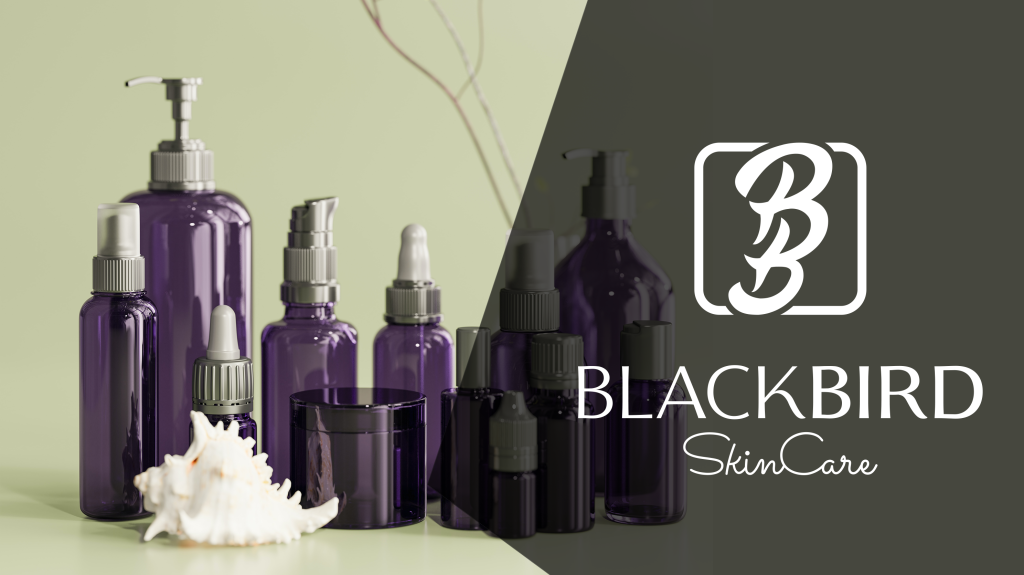
Whether you’re looking for a one-stop solution, a niche product, or an eco-friendly option, these Chinese private label skincare manufacturers have something for everyone. Your dream skincare brand is just one collaboration away
Top 13 Private Label Face Cream Manufacturers 2025
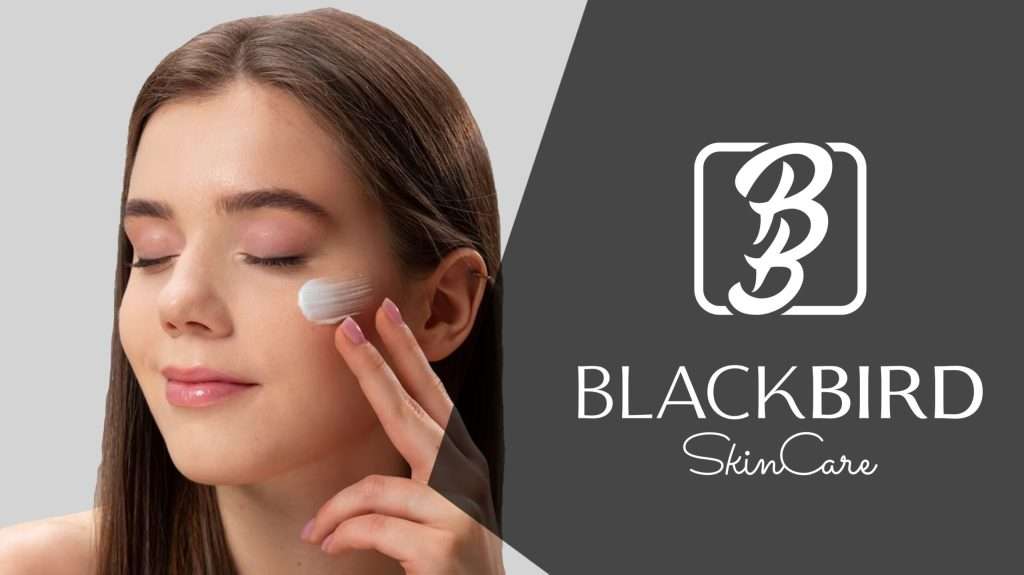
Choosing the right private label face cream manufacturer is one of the most crucial steps in building a successful skincare brand. The face cream market is more competitive than ever, with consumers demanding high-quality, results-driven formulations that cater to various skin concerns, from hydration and anti-aging to brightening and barrier repair. But with so many manufacturers out there, how do you find the perfect partner—one that aligns with your brand vision, quality standards, and growth goals?
I’ve spent years analyzing skincare industry trends, working with manufacturers, and understanding the key factors that set apart the best private label partners. From custom formulations and flexible minimum order quantities (MOQs) to sustainability practices and compliance with global regulations, every detail matters when selecting a trusted and capable manufacturer. The right partner doesn’t just produce your products; they provide the foundation for your brand’s success, offering expertise in product innovation, quality assurance, and scalable production to support your business at every stage.
In this article, I’ll introduce you to the top 13 private label face cream manufacturers of 2025—companies that have consistently demonstrated excellence in skincare manufacturing, cutting-edge R&D, and an unwavering commitment to quality. Whether you’re a startup looking for low MOQs, an established brand seeking advanced formulations, or a business looking to expand into global markets, this guide will help you identify the best manufacturing partner for your needs.
These manufacturers stand out not only for their technical capabilities but also for their ability to help brands differentiate themselves in a crowded market. Whether you need a vegan, cruelty-free moisturizer, a high-performance anti-aging cream, or a dermatologist-tested sensitive skin formula, you’ll find the ideal match here.
Let’s explore the leading private label face cream manufacturers of 2025 and discover which one is best suited to bring your skincare vision to life.
Top 15 Private Label Face Care Manufacturers 2025
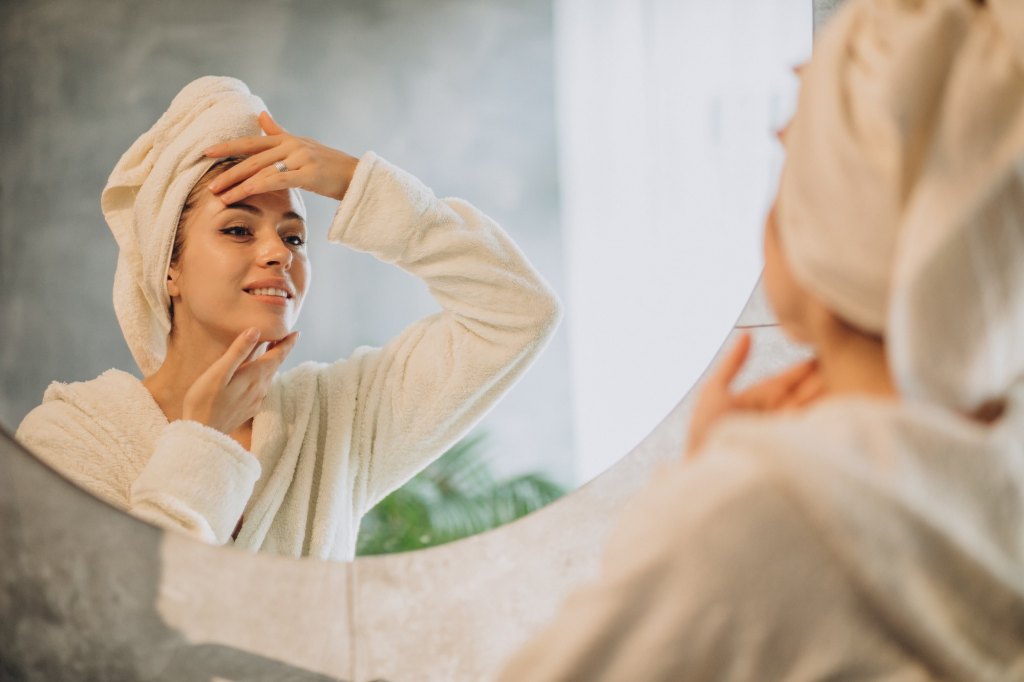
The beauty and skincare industry is evolving faster than ever, and private label manufacturing has become the backbone of many successful brands. With consumers demanding high-performance, natural, and ethically sourced skincare, brands are increasingly turning to specialized manufacturers to bring their vision to life. But with so many private label manufacturers available, how do you choose the right one?
I know firsthand that selecting a trusted manufacturing partner is not just about production capacity—it’s about finding a company that aligns with your brand’s identity, offers flexible production options, and provides expert formulation support. Whether you’re launching a new face care brand, expanding an existing product line, or seeking a more reliable manufacturer, the right partner will help you create high-quality, market-ready skincare products efficiently and cost-effectively.
In this guide, I’ve put together a carefully curated list of the top 15 private label face care manufacturers in 2025, chosen for their innovation, quality, scalability, and ability to support brands at every stage of growth. These manufacturers offer custom formulations, low minimum order quantities (MOQs), sustainable ingredient sourcing, and end-to-end production solutions to help brands succeed in today’s competitive skincare market.
Whether you’re looking for natural and organic formulations, high-performance anti-aging serums, dermatologist-tested products, or customizable face care solutions, this list will provide you with the industry’s best manufacturing partners. By the time you finish reading, you’ll have a clear understanding of which private label manufacturers can help you build a standout skincare brand in 2025. Let’s dive in!
Top 11 Private Label Face Mask Manufacturers In 2025
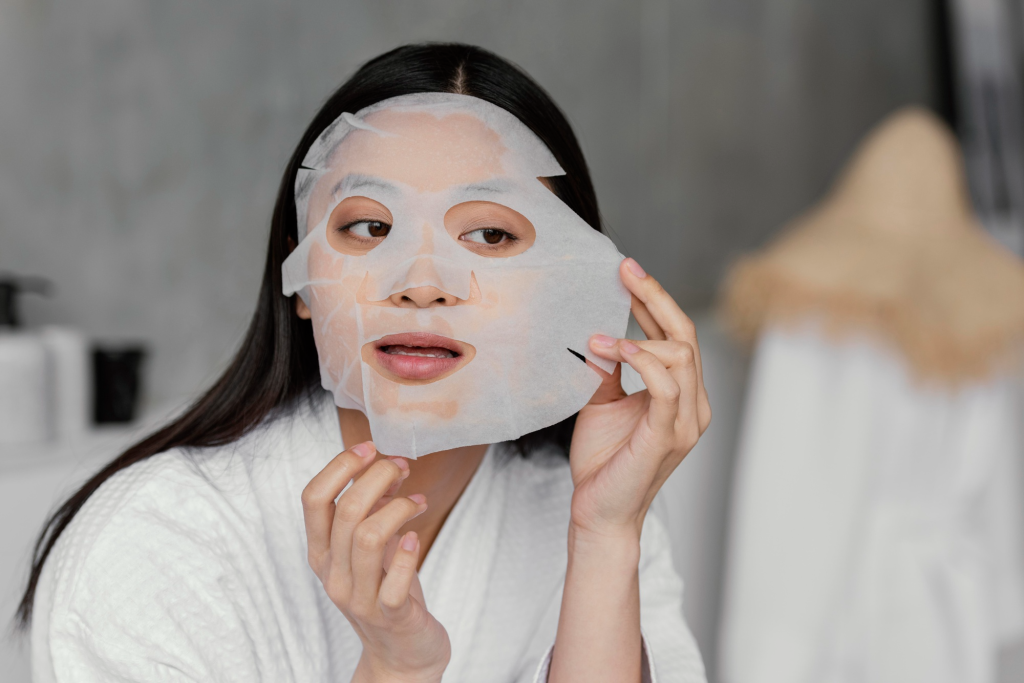
The face mask industry continues to thrive, fueled by growing consumer demand for skincare treatments that deliver targeted benefits, deep hydration, and instant results. Whether it’s hydrating sheet masks, detoxifying clay masks, or advanced hydrogel formulations, brands are increasingly turning to private label manufacturers to bring innovative and high-quality products to market. But with so many manufacturing options available, how do you find the right partner for your brand?
I know firsthand that selecting the right private label face mask manufacturer is a crucial step in building a successful skincare brand. Whether you’re a startup launching a new line, an established beauty company expanding into face masks, or an e-commerce seller looking for ready-made formulations, the manufacturer you choose will directly impact your product’s quality, customization options, pricing, and speed to market. A strong private label partner will offer flexibility, low MOQs, and innovative formulations while ensuring regulatory compliance and efficient production.
That’s why I’ve carefully curated this list of the top 11 private label face mask manufacturers in 2025, chosen for their expertise, industry reputation, and ability to support brands at different stages of growth. These manufacturers offer custom formulations, scalable production, full-service branding support, and fast turnaround times, making them ideal for reliable suppliers.
By the time you finish reading this guide, you’ll have a clear understanding of which private label manufacturer aligns with your business needs—whether you’re looking for affordable low-MOQ options, high-performance clean beauty formulations, or bulk production with global distribution capabilities. Let’s dive in!