
How to Pick the Right Eye Care for Your Private Label in 2025
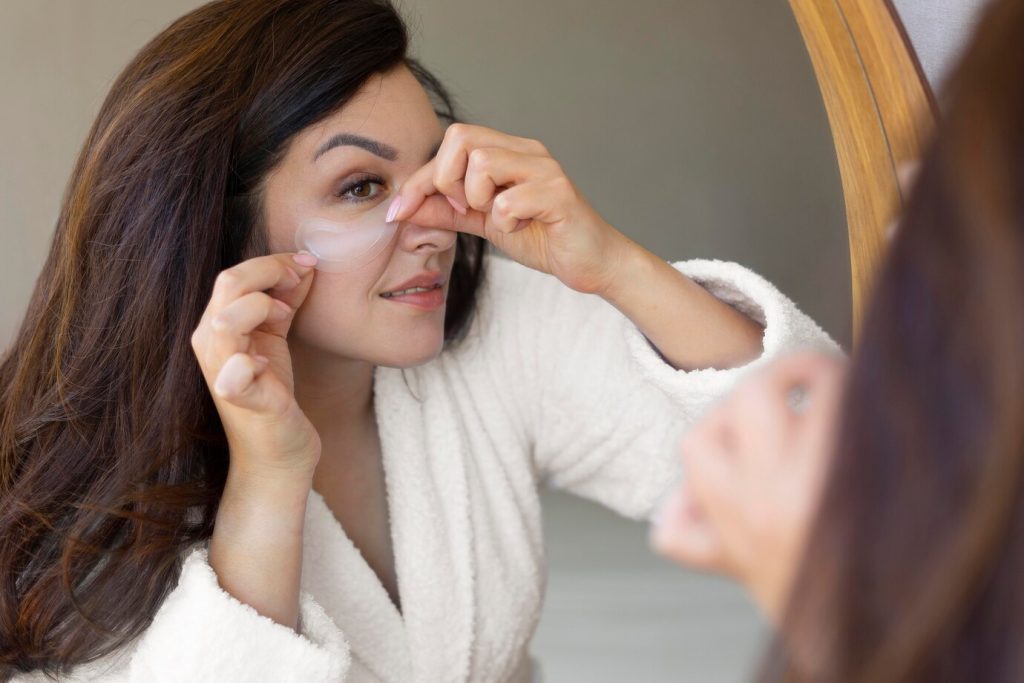
In 2025, eye care is no longer an optional add-on in skincare portfolios—it’s a strategic necessity. With the delicate under-eye area being the first to show signs of stress, aging, and digital fatigue, consumers are increasingly prioritizing targeted solutions that go beyond hydration or anti-wrinkle claims. The modern skincare buyer expects multifunctional eye products that visibly improve dark circles, reduce puffiness, and support barrier health—all while remaining gentle, fragrance-free, and backed by dermatological science.
This shift is driven by more than just vanity. Gen Z and Millennials are redefining beauty through a wellness-first lens, viewing skincare—especially eye care—as an extension of self-care, daily rituals, and long-term health. Add to that the impact of high screen time, sleep disruption, and environmental stressors, and it’s no surprise that eye-specific products are now a booming subcategory.
For brands developing private label eye care lines, standing out in this increasingly crowded space requires more than just attractive packaging or buzzword ingredients. It demands thoughtful product positioning, science-backed formulation, regional texture preferences, and an understanding of emerging consumer behaviors. This guide provides a strategic framework to help brands navigate the key decision points—from identifying user needs and selecting hero ingredients to optimizing formats and textures—ensuring the final product is not only trend-aligned, but genuinely performance-driven.
Top 12 Private Label Body Lotion Manufacturers 2025
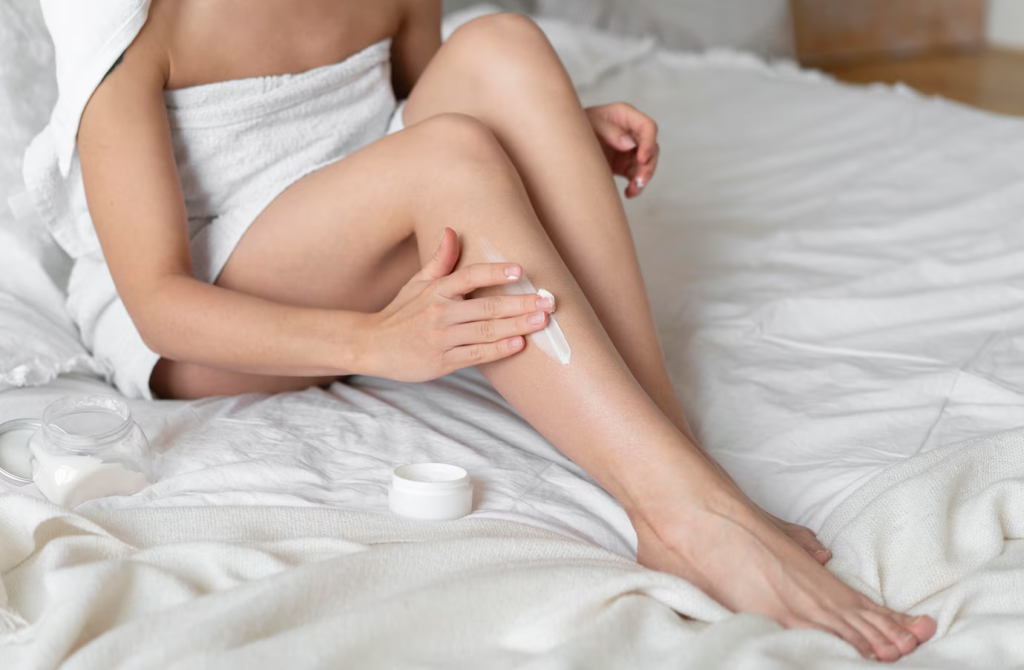
As someone deeply involved in the skincare manufacturing industry, I know that launching a private label body lotion brand is both an exciting and overwhelming journey. You’re not just choosing a formula—you’re selecting a long-term partner who can help turn your brand vision into a market-ready product. And when it comes to body lotions specifically, the stakes are even higher. Consumers expect more than just hydration; they want high-performance ingredients, clean formulations, elegant packaging, and ethical sourcing—all at a price that supports a scalable business model.
That’s why finding the right private label body lotion manufacturer is one of the most critical steps in building a successful skincare brand. Over the years, I’ve seen how a reliable and experienced manufacturing partner can make all the difference: they reduce your time to market, eliminate costly production mistakes, and give you the technical and creative support you need—especially during those early stages when every decision feels make-or-break.
In this guide, I’ve handpicked 12 of the top private label body lotion manufacturers to consider in 2025. These manufacturers weren’t chosen at random. Each one has been evaluated based on key factors like formulation quality, R&D capabilities, MOQ flexibility, packaging options, global compliance, and overall support for startup and scaling brands. Some specialize in luxurious clean beauty; others excel at speed, affordability, or customized development—but all of them bring something valuable to the table.
If you’re serious about creating a standout body lotion line—whether it’s a basic moisturizer, an anti-aging treatment, or a botanical-infused premium product—this list will help you identify manufacturers that can bring your ideas to life with professionalism, precision, and care.
Let’s explore the partners that can turn your concept into a shelf-ready success story.
6 Best Ingredients to Replace Retinol — Backed by Formulators, Not Just Trends
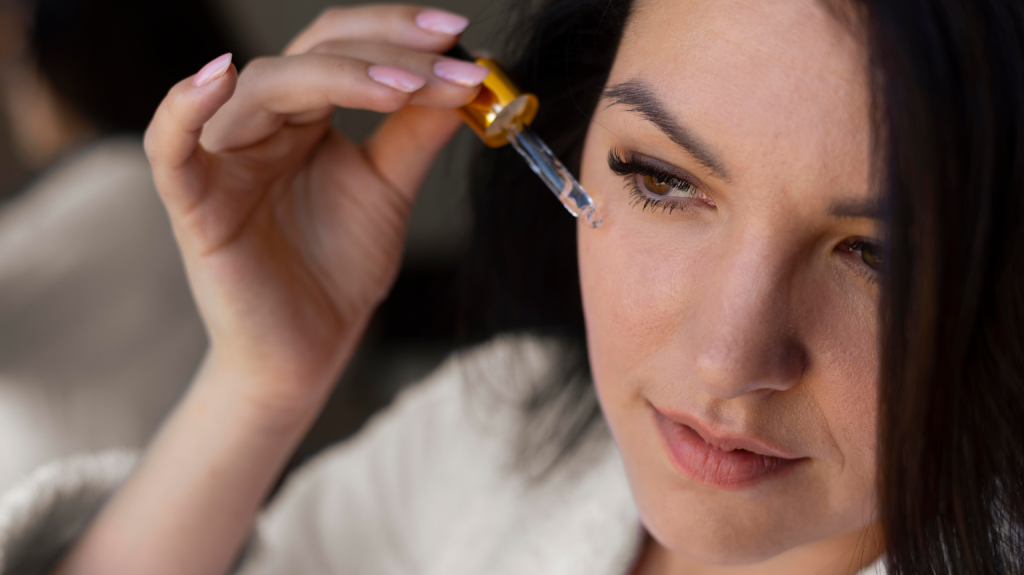
I’ve had this conversation more times than I can count — sitting across from a client, reviewing a formula, or testing new actives in the lab — and the question always comes up:
“Retinol works, but… is there something else?”
The best replacements for retinol include Bakuchiol, Peptides, Niacinamide, Vitamin C, AHAs, and Pro-Xylane—each offering gentler, effective benefits like collagen support, brightening, and smoothing, without irritation or pregnancy-related concerns.
Something gentler. Something safer. Something more compatible with real skin, real routines, and real lives.
And I get it. Retinol has earned its reputation — it’s been called the gold standard for anti-aging, brightening, smoothing, firming. But it also comes with baggage. Redness, flaking, sensitivity. Ingredient restrictions. Usage limitations. And for many people, that trade-off just isn’t worth it.
Is pro-xylane the same as retinol?
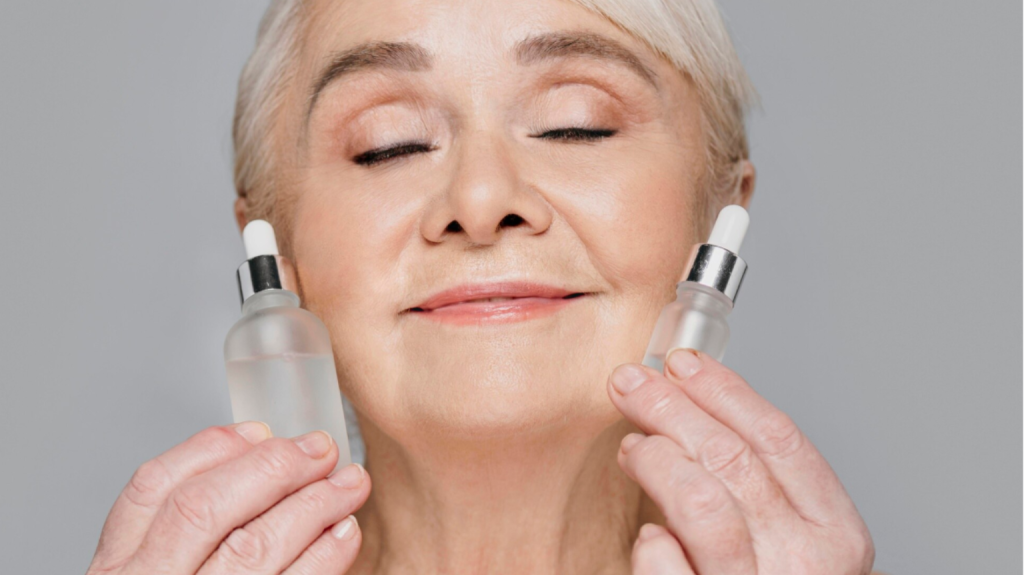
I remember the first time I saw the word “Pro-Xylane” printed on the back of a firming cream — tucked between peptides and hyaluronic acid in a list of ingredients I’d mostly heard of. It sounded high-tech, maybe even promising, but I had no idea what it actually did. And like many people who work in or around skincare, my first instinct was to compare it to something I already knew: Retinol.
Because let’s be honest — Retinol has been the gold standard in anti-aging for decades. We’ve all seen it praised for everything from smoothing fine lines to clearing breakouts. But over time, I also started to hear a different side of the story. People — especially those with dry, sensitive, or maturing skin — were getting burned out by Retinol. Literally. Redness, flaking, irritation. And that opened up a bigger question:
Is there a gentler way to firm and strengthen skin — without compromising results?
That’s when Pro-Xylane started to surface more and more. In conversations with formulators. In high-end product launches. In user reviews saying things like, “It made my skin feel bouncier without the sting.” But the confusion hasn’t gone away. People still ask:
Is Pro-Xylane just another name for Retinol? Do they do the same thing? Can you use both? And which one is right for your skin?
No, Pro-Xylane and Retinol are not the same—Retinol boosts cell turnover to reduce wrinkles, while Pro-Xylane strengthens the skin’s structure to improve firmness and hydration, offering gentler results with less irritation.
That’s exactly what we’re going to unpack here — clearly, honestly, and with enough depth that by the end, you’ll not only know the difference, but also understand why choosing the right active matters more than ever.
So whether you’re building a skincare line, creating content for your beauty audience, or just trying to upgrade your own nighttime routine — this guide was written for you.
Let’s break it down.
How to Unclog Pores: A Comprehensive Guide for 2025

In 2025, the conversation around skincare has become sharper—and pore health is at the center of it. While flawless, glass-like skin was once the domain of beauty campaigns and magazine covers, today’s standards are shaped by digital filters and high-definition content. Consumers aren’t just noticing pores—they’re fixating on them. Whether it’s under the glare of a ring light or zoomed in on a TikTok tutorial, visible pores can undermine the appearance of smooth, healthy skin in seconds.
But the pressure to achieve “poreless perfection” isn’t just about surface image. Many of today’s skincare users, especially younger demographics, understand that clogged pores are more than a cosmetic concern—they’re the gateway to breakouts, rough texture, inflammation, and long-term skin imbalance. As a result, demand is growing for solutions that go beyond temporary fixes: products that not only clear the pores now, but also strengthen the skin barrier, reduce excess oil, and prevent future congestion.
In this comprehensive guide, I’ll break down what causes clogged pores, what ingredients are most effective for clearing them, and how brands can formulate with intention in 2025 to meet this growing consumer demand. Whether you’re creating a focused pore care line or integrating congestion support into a broader skincare range, this guide is designed to help you lead with clarity, science, and strategy.
Top Ingredients for Naturally Plump Lips
Let’s be honest — we’ve all been there. You swipe on a gloss, feel that little tingle, check the mirror… and wonder, is it actually working, or is this just a fancy burn in a tube? I’ve tested enough lip products — and formulated enough from scratch — to tell you this: real lip plumping […]
What is the skinification trend?
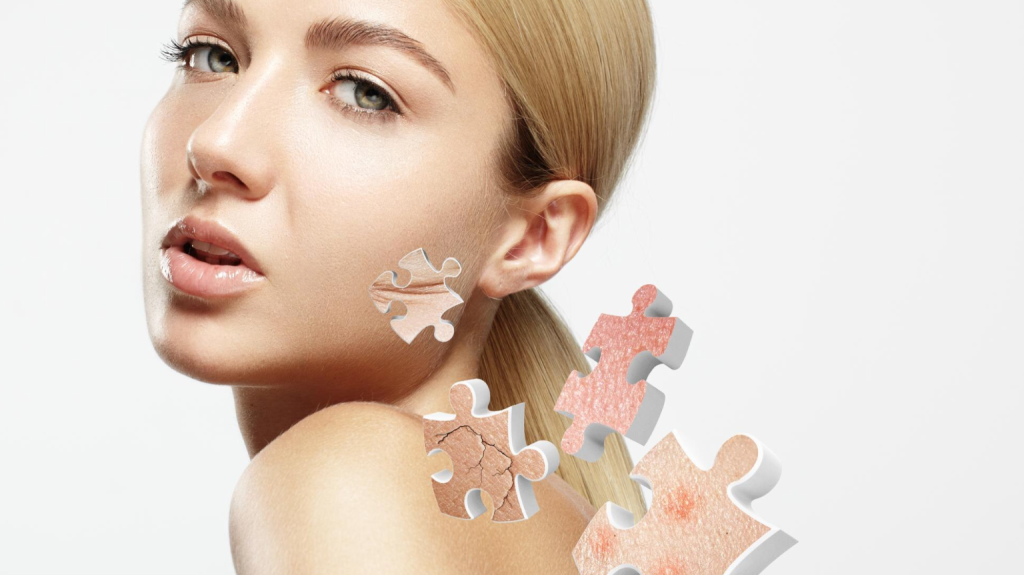
When I first heard the term “skinification”, it sounded like just another buzzy word floating around in beauty marketing. But the more I looked into it—and the more conversations I had with product developers, editors, and ingredient suppliers—the more I realized: this isn’t just a passing trend. This is a shift in how we formulate, how we use products, and how we think about skin itself.
Skinification is the growing trend of using facial-grade skincare ingredients—like hyaluronic acid and peptides—on the entire body, including the scalp, lips, and hair, to promote healthier, more radiant skin from head to toe.
Today, skincare-grade ingredients aren’t just living in glass jars labeled “serum” or “face cream.” We’re seeing hyaluronic acid show up in shampoos, retinol in body lotions, and ceramides in lip treatments. Even oral care is getting a glow-up. This is skinification in action: the idea that every inch of our body—from scalp to soles—deserves the same thoughtful, targeted care we once reserved only for the face.
But this movement isn’t just happening on ingredient labels. It’s taking shape in how we position products, educate consumers, and tell brand stories. I’ve watched DTC founders reframe their shampoo as a “scalp serum in disguise,” while beauty editors now treat hand cream as a serious part of their anti-aging routine. What started on TikTok has rapidly become a strategic tool in product development and brand differentiation.
In this article, I’ll break down what skinification really means—beyond the buzz—and walk you through the science, the strategy, and the opportunity. Whether you’re building products, reviewing them, or simply trying to make smarter choices about what you put on your skin, I promise you: skinification is worth paying attention to.
Let’s get into it.
Top 12 Private Label Facial Scrub Manufacturers 2025
In the ever-evolving world of skincare, one thing remains constant—consumer demand for results-driven, sensorial, and ingredient-conscious products. As someone who’s spent years navigating the complexities of skincare formulation and brand-building, I’ve come to realize that when it comes to launching or scaling a skincare brand, choosing the right private label manufacturer is everything.
Specifically in the category of facial scrubs—a product that walks the fine line between exfoliation and skin nourishment—the right manufacturing partner doesn’t just supply product, they co-create your brand’s promise. Whether you’re developing a gentle enzyme exfoliant for sensitive skin or a charcoal detox scrub for oily complexions, the success of your formula hinges on the expertise, flexibility, and innovation capacity of your OEM or ODM partner.
That’s exactly why I created this guide.
This list reflects a curated selection of manufacturers I believe are not only capable of delivering high-quality facial scrub products, but also truly understand the nuances of skincare trends, regulatory expectations, and the demands of today’s discerning consumers. Each entry is based on real-world evaluation—digging beyond the surface of shiny websites and getting into what really matters: ingredient philosophy, MOQ flexibility, production capability, formulation diversity, and brand support infrastructure.
So whether you’re an emerging brand taking your first steps into the market, a growing online retailer looking to expand your product line, or a global player seeking reliable formulation partners, this list is designed to serve as a practical, insightful reference. My hope is that it helps you cut through the noise, avoid costly missteps, and find a manufacturing partner that aligns with your product vision.
Let’s dive in.
Minoxidil for Private Label Hair Regrowth Brands
At the heart of this transformative journey is Minoxidil, a solution that has proven its efficacy in promoting hair regrowth over the years. Initially discovered as a medication to treat high blood pressure, Minoxidil surprised researchers with its potent hair regrowth properties, eventually evolving into a beacon of hope for individuals grappling with hair loss. […]
Top 17 Private Label Face Toner Manufacturers 2025
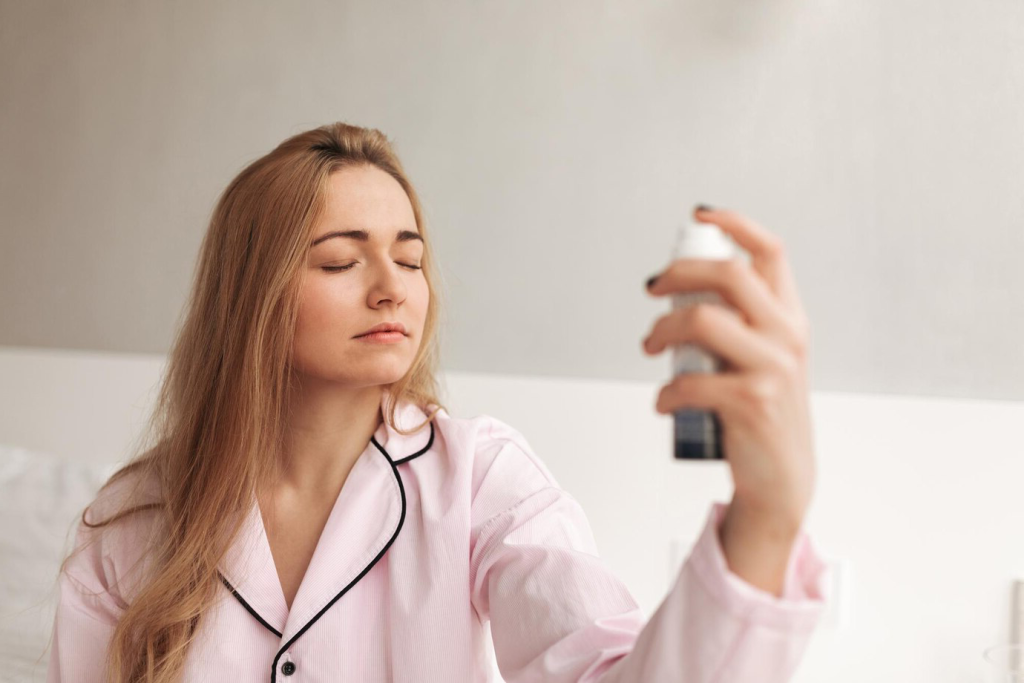
Face toners have evolved from a simple skincare step into a must-have product in modern beauty routines, offering benefits like hydration, pH balance, pore refinement, and skin preparation for serums and moisturizers. With consumers demanding clean, high-performance, and multifunctional formulations, the demand for private label face toner manufacturers has never been greater. But with so many options available, how do you find the right manufacturing partner to bring your vision to life?
I know firsthand that choosing a private label manufacturer is about more than just production capabilities—it’s about finding a company that aligns with your brand’s values, provides innovative formulations, and ensures consistent quality from batch to batch. Whether you’re launching a natural skincare line, developing dermatologist-tested formulations, or expanding into high-performance anti-aging toners, the right manufacturer will help you create market-ready products that stand out in the competitive beauty industry.
In this guide, I’ve put together a list of the Top 17 Private Label Face Toner Manufacturers in 2025, each selected for their expertise in formulation, commitment to quality, flexible production capabilities, and ability to support brands at every stage of growth. Whether you need alcohol-free hydrating mists, botanical-infused balancing toners, or powerful exfoliating solutions with AHAs and BHAs, this list will help you find the perfect partner to develop and manufacture your ideal face toner. Let’s dive in and explore the industry’s best private label manufacturers for face toners in 2025!