
Menopause Skin Changes & Skincare Routine: What Brands Should Know
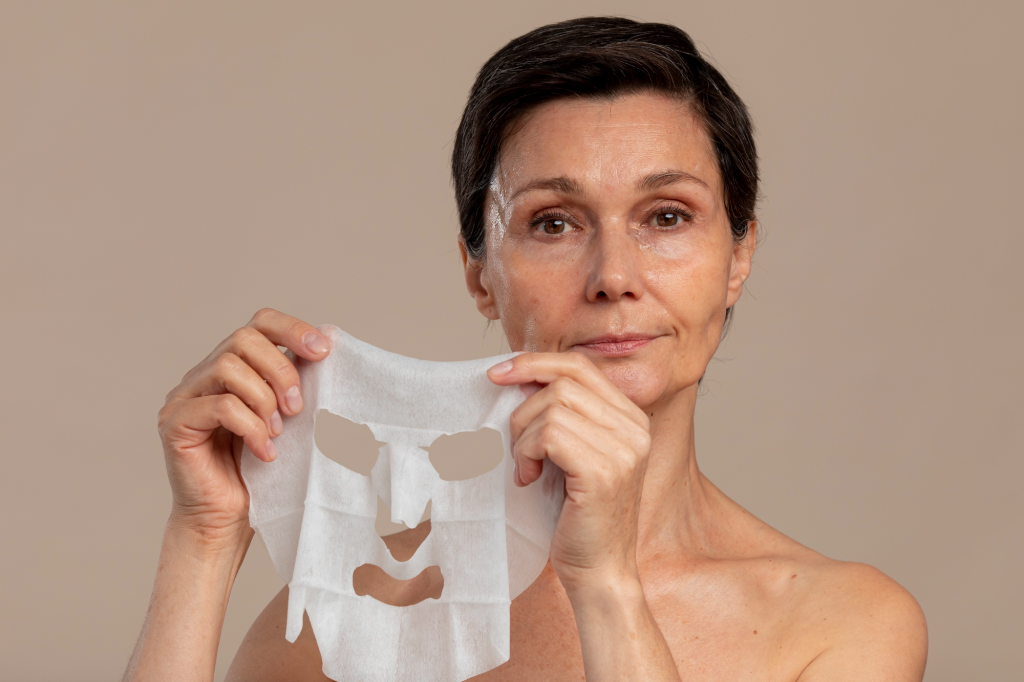
Menopause-related hormonal changes can affect skin hydration, sensitivity, elasticity, and barrier function, making traditional skincare routines less effective or less comfortable over time. As a result, menopause skincare routines are shifting toward gentler, barrier-focused, and multi-functional products that prioritize long-term skin support rather than aggressive treatment approaches. For brands, this creates opportunities to develop simplified skincare systems designed around comfort, resilience, and consistent daily use.
Top 12 Private Label Jelly Serum Mist Manufacturers (2026)
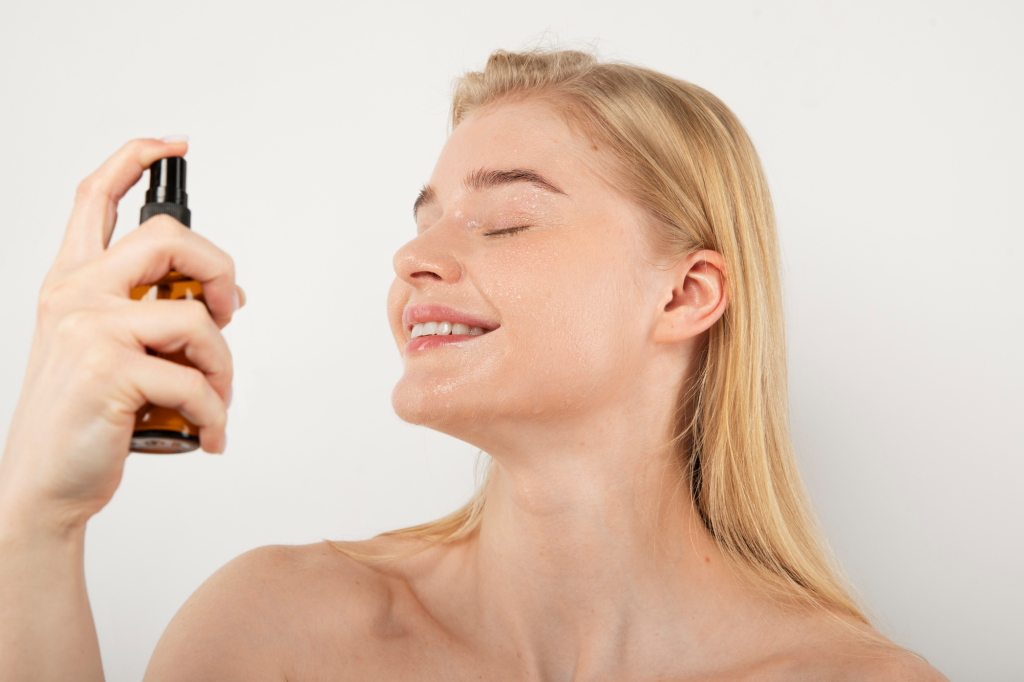
Jelly serum mist is a hybrid skincare format that combines the lightweight application of a facial mist with the functional benefits of a serum. Unlike traditional sprays, it requires advanced formulation techniques to maintain a gel-like texture while remaining sprayable and stable. For brands, this category offers strong differentiation potential—but also demands manufacturers with proven expertise in texture innovation, active ingredient delivery, and packaging compatibility.
Menopause Skincare Trends in 2026: Opportunities for Brands
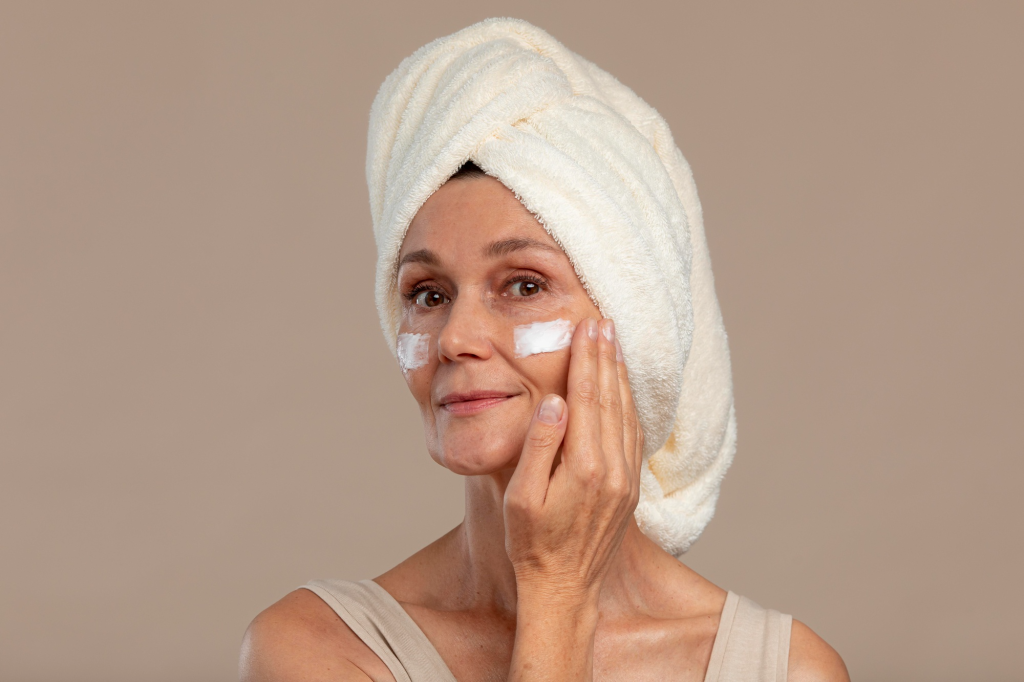
Menopause skincare is gaining attention as hormonal changes create specific concerns such as dryness, sensitivity, and loss of elasticity. For brands, it represents a growing opportunity to develop targeted, low-irritation products focused on barrier repair, hydration, and multi-functional anti-aging—serving an underserved but high-value consumer segment.
Top 20 Private Label Facial Serum Manufacturers (Update 2026)
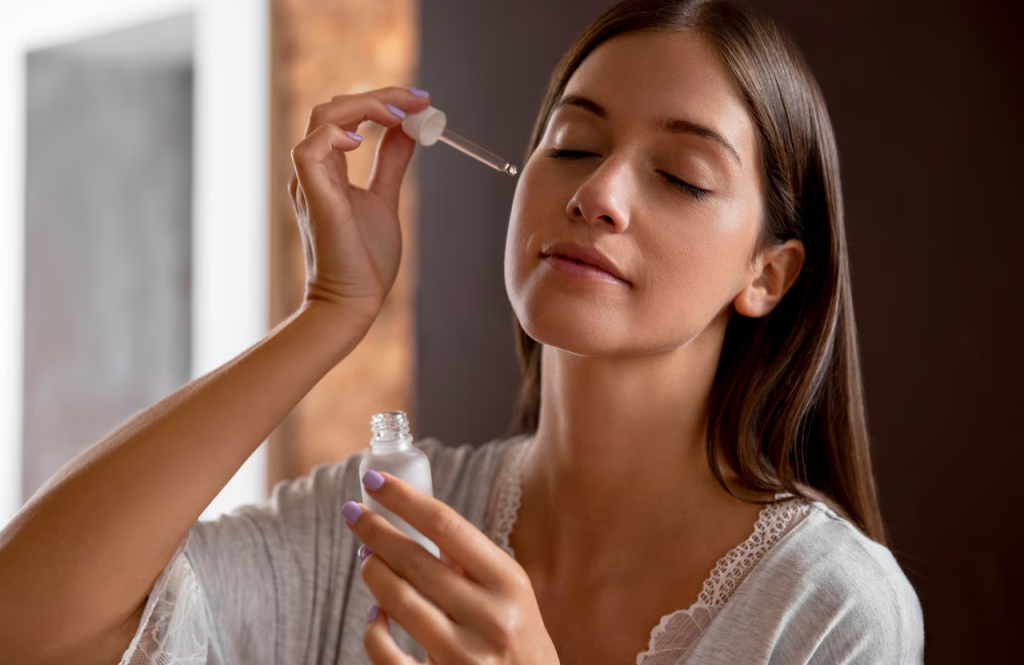
As the skincare industry continues to evolve in 2026, facial serums have become one of the most dynamic and high-growth product categories. Compared to traditional creams and lotions, serums are increasingly favored for their lightweight textures, high concentration of active ingredients, and ability to deliver targeted results. From hydration and brightening to anti-aging and skin barrier repair, serums are now at the center of modern skincare routines.
In recent years, the category has moved beyond basic formulations to embrace more advanced technologies and ingredients. Alongside well-established actives like vitamin C, hyaluronic acid, and retinol, newer innovations such as peptides, PDRN, and exosome-based ingredients are gaining attention for their role in skin regeneration and performance-driven skincare. This shift reflects a broader trend toward science-backed, high-efficacy products that deliver visible and long-term results.
For brands, this also means that choosing the right manufacturer is more important than ever. Developing a successful serum requires not only formulation expertise, but also a deep understanding of ingredient stability, texture optimization, and scalable production. Different manufacturers offer different strengths—some focus on fast private label solutions, while others specialize in custom formulation, clinical-grade products, or large-scale manufacturing.
In this guide, we highlight 20 of the top private label facial serum manufacturers in 2026, covering a wide range of capabilities—from flexible production and rapid product development to advanced R&D and global supply chain support. Whether you are launching a new serum line or expanding an existing product portfolio, this list is designed to help you identify the right manufacturing partner based on your specific goals and market positioning.
Private label facial serum manufacturers provide services such as formulation, packaging, and large-scale production, enabling brands to launch serum products without building their own facilities. Top manufacturers vary in strengths, including ingredient expertise, custom formulation, and scalable production, making it important to choose based on your brand’s goals.
How to Reduce Risk When Starting a Skincare Brand (Step-by-Step Guide)
To reduce risk when starting a skincare brand, focus on validating your product idea, choosing the right manufacturing approach, starting with manageable MOQ, and ensuring formulation stability and compliance. A structured, step-by-step approach helps minimize costly mistakes and supports more predictable product development and growth.
Top 19 Private Label Skin Care Manufacturers (Updated 2026)
Private label skincare manufacturers help brands develop, produce, and package skincare products under their own label. Top manufacturers differ in areas such as formulation expertise, production flexibility, compliance support, and scalability. Selecting the right partner depends on your business needs, including speed to market, customization, and long-term growth potential.
In crafting this guide, I’ve drawn upon a wealth of industry knowledge and a deep understanding of market trends to pinpoint manufacturers who are setting benchmarks in quality, innovation, and sustainability. These companies vary widely in their specialties—from organic and natural formulations to advanced cosmeceuticals and high-tech beauty solutions. Each one brings a unique set of capabilities and strengths to the table, making them invaluable partners to both nascent skincare brands looking to carve out a niche and established entities aiming to expand their market footprint.
Join me as we delve into the capabilities, innovations, and strategic approaches that make each of these manufacturers stand out in 2025. Whether you’re developing a startup skincare line or steering a flagship brand, understanding these key players is crucial in navigating the complex pathways of the skincare market. Let’s explore the cutting-edge solutions and collaborative opportunities these top manufacturers offer, setting the stage for success in an increasingly competitive industry.
Choosing a Cosmetics Manufacturer: What to Look For and What to Avoid
To choose a reliable cosmetics manufacturer, focus on evaluating their product expertise, formulation capability, certifications, and production consistency. Look beyond price by assessing communication, sample quality, and scalability. Avoid suppliers who lack transparency, overpromise capabilities, or cannot support your brand’s long-term growth.
How To Find Cosmetics Manufacturers in China 2026 & 2027

Finding reliable cosmetics manufacturers in China involves combining targeted research with structured evaluation. Start by using Google and B2B platforms like Alibaba or Global Sources to identify potential suppliers. Then assess whether the supplier reviews certifications and production capabilities, requests samples, and assesses communication responsiveness. Prioritize partners who can support long-term scaling, not just initial production.
K-Beauty Skincare Trends 2026 & 2027: What’s Popular and What’s Next
K-beauty continues to influence global skincare trends through innovation in ingredients, formulations, and skin-first philosophies focused on hydration, barrier care, and long-term skin health.
Over the past decade, K-beauty has evolved from a regional trend into a global benchmark for skincare innovation. Its influence is driven not only by unique ingredients, but also by a holistic approach to skin care that emphasizes prevention, consistency, and overall skin balance. As consumer expectations shift toward healthier, more resilient skin, K-beauty continues to shape how products are developed, formulated, and positioned worldwide.
At the same time, the concept of “glass skin”—once centered on visible radiance and smooth texture—is evolving into a more functional approach focused on hydration, barrier integrity, and long-term skin stability. Rather than pursuing instant results, modern K-beauty trends emphasize maintaining skin health through layered hydration, gentle formulations, and sustained care over time.
This shift is creating new opportunities in product development. As K-beauty continues to redefine what effective skincare looks like, understanding these trends is essential for identifying product directions, selecting the right ingredients, and developing formulations that align with both market demand and long-term skin health goals.
Top 15 Skincare & Cosmetic Manufacturers in China 2026
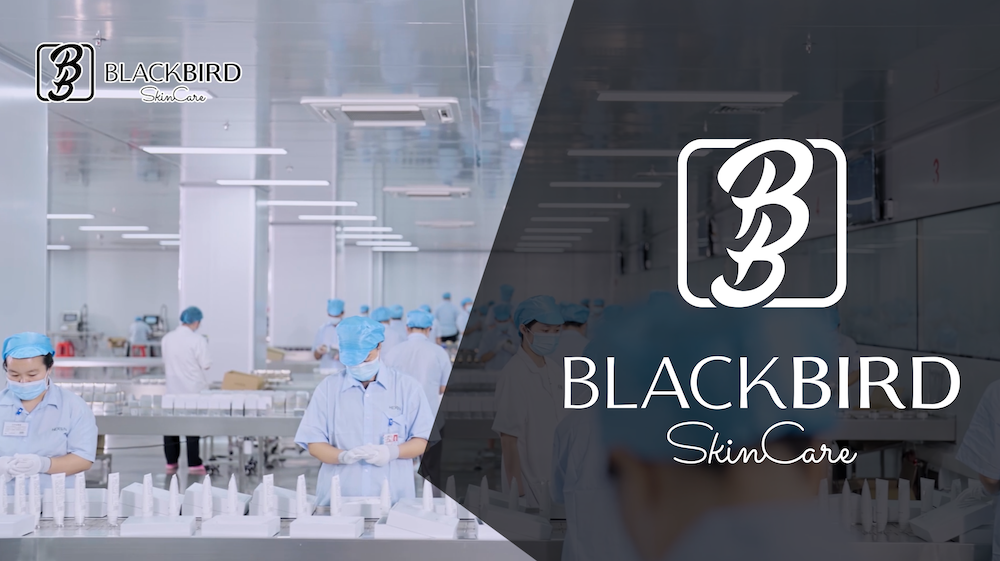
Over the past few years, I’ve seen a significant shift in how global beauty brands approach manufacturing—and China has become a central part of that conversation. What was once viewed primarily as a cost-driven sourcing destination has evolved into a highly capable, innovation-driven manufacturing hub that supports brands at every stage of growth.
Today, Chinese skincare and cosmetic manufacturers offer far more than production. They combine advanced formulation capabilities, integrated supply chains, flexible production models, and faster development cycles, making them especially attractive in a market where speed and adaptability are critical. Whether it’s clean beauty, active-driven skincare, or multifunctional products, many manufacturers in China are now able to deliver solutions that meet both performance expectations and global standards.
In this guide, I’ve selected the Top 15 Skincare & Cosmetic Manufacturers in China for 2026, based on their strengths in R&D, production capacity, flexibility, and ability to support international brands. Some specialize in large-scale manufacturing, while others focus on customization and startup-friendly services—but all of them represent the evolving landscape of cosmetic manufacturing in China.
For brands looking to build, launch, or scale their product lines, understanding these manufacturers is not just helpful—it’s a strategic advantage in an increasingly competitive global beauty market.