
Skinimalism in Skincare: Trends and Innovation in 2025
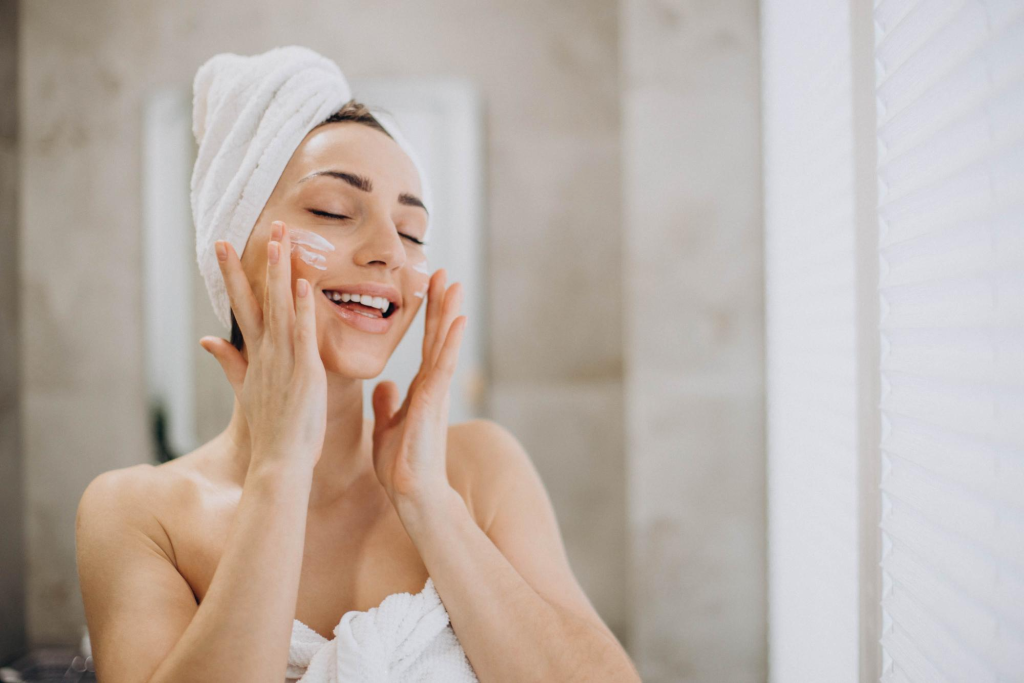
In recent years, the beauty industry has seen a decisive shift toward skinimalism, a movement that embodies the philosophy of “less is more” in skincare. At its core, skinimalism champions simplicity, encouraging routines built around fewer, but higher-quality and multi-functional products. Rather than layering ten different steps, this approach focuses on essentials that work harder, deliver measurable results, and allow the skin’s natural texture to shine through. It reflects a broader minimalist lifestyle trend, where consumers are seeking balance, authenticity, and sustainability not just in their homes and diets, but also in their self-care practices.
The momentum behind skinimalism is being driven by clear consumer behaviors. Many feel fatigued by overly complex, multi-step routines that promise more than they deliver, leading to a desire for streamlined skincare that saves both time and money. Alongside this, there is a growing emphasis on skin health rather than surface perfection. Consumers increasingly want products that strengthen the barrier, restore balance, and prevent over-treatment—a sharp contrast to the earlier trend of aggressive exfoliation and maximalist regimens. This change is reinforced by the popularity of social media movements that celebrate real, natural skin and transparent beauty standards.
Against this backdrop, skinimalism is not just a consumer fad but a significant transformation in the beauty market. For businesses and innovators, it opens the door to rethinking product design: fewer steps, multi-tasking functions, gentler formulations, and eco-conscious packaging. This article will explore the key trends and innovation opportunities in skinimalism for 2025, highlighting what defines this movement, why it resonates so strongly with modern consumers, and how it is shaping the next generation of skincare products.
Guide to Retinol for Skin: What is it, benefits, usage
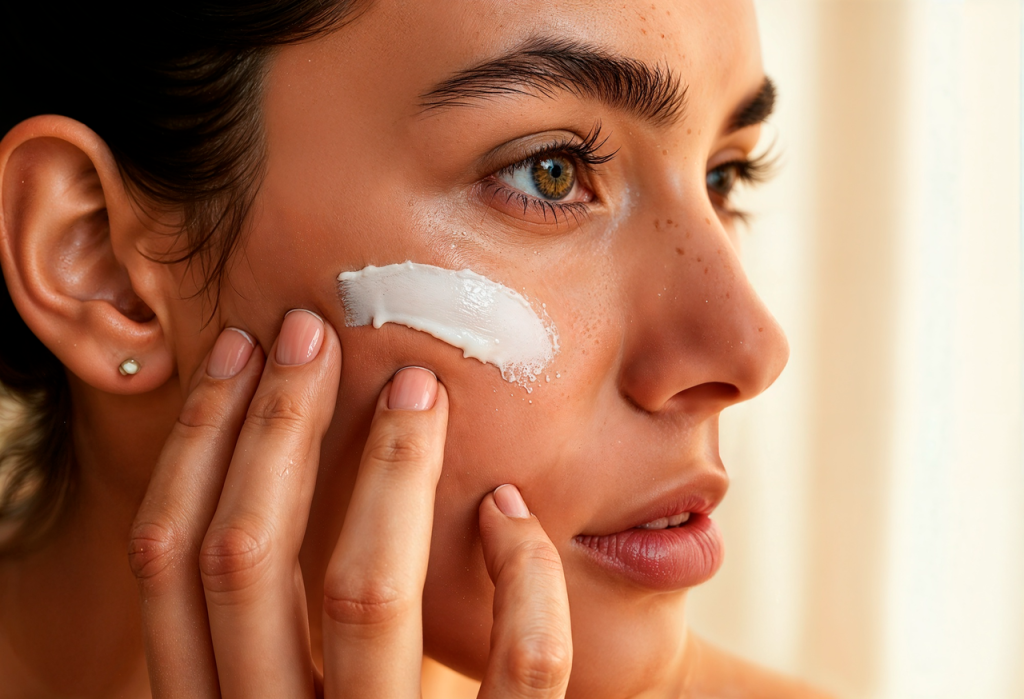
Retinol has long been regarded as one of the most researched and trusted ingredients in modern skincare. Backed by decades of dermatological studies, it is widely recognized as the “gold standard” in addressing some of the most common skin concerns—from fine lines and wrinkles to acne and uneven texture. Its reputation is built not on fleeting trends but on consistent results, making it one of the few active ingredients that bridge both medical credibility and consumer popularity.
In recent years, consumer awareness of active ingredients has grown dramatically. Shoppers are no longer satisfied with generic claims of “hydrating” or “brightening”; instead, they want to know which ingredient is responsible for results and how it works on the skin. Among actives like vitamin C, hyaluronic acid, and niacinamide, retinol stands out because of its transformative power and its ability to tackle multiple issues at once. Yet, this same potency is also the reason many consumers approach it with caution. Questions such as “Is retinol safe for sensitive skin?” or “How often should I use it?” are among the most common skincare queries today.
This is why a complete, trustworthy guide to retinol is essential. While the ingredient’s benefits are well-documented, myths, misinformation, and misuse remain widespread. Many people are curious to try retinol but hesitate due to concerns about irritation, concentration levels, or how to integrate it into their existing skincare routines. A clear, structured explanation can not only build confidence but also help users unlock the full potential of retinol without unnecessary trial and error.
For skincare brands and manufacturers, the implications are significant. Retinol represents not just a consumer trend but a strategic growth opportunity. Its association with anti-aging gives it strong market positioning, appealing to both mature customers seeking visible results and younger demographics adopting “early anti-aging” routines.
In the following sections, this article will break down what retinol is, its proven benefits, how to use it safely, and where it fits into modern skincare routines. Whether the focus is anti-aging, acne care, or overall skin renewal, understanding retinol provides insight into why it continues to be a cornerstone ingredient in skincare innovation worldwide.
6 Steps of the Cosmetic Production Process from Idea to Market
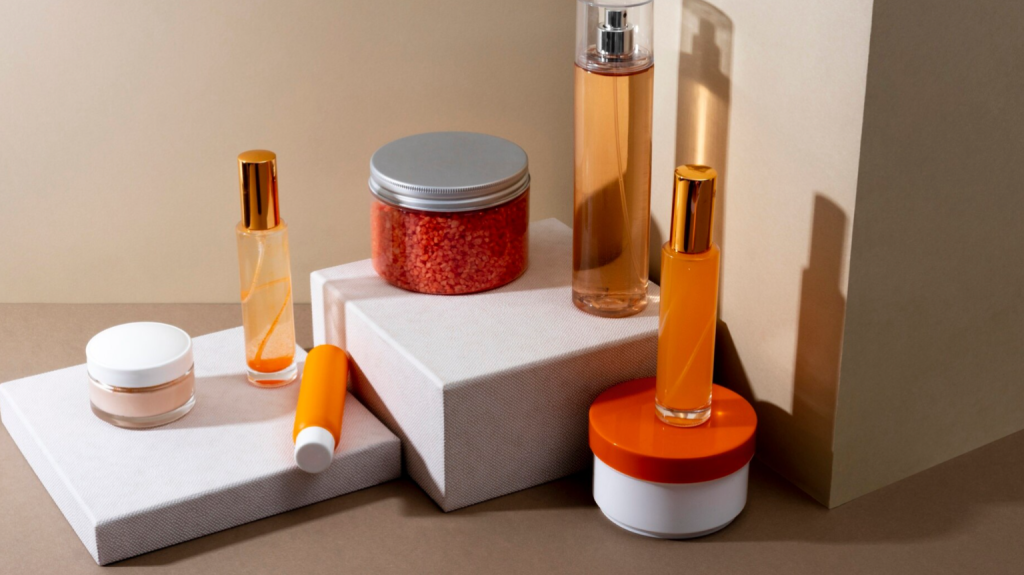
Step Process Stage Key Focus 1 Concept & Market Research Define brand vision, target audience, and analyze competitors. 2 Formulation Development Work with chemists, select hero ingredients, and test formulas. 3 Branding & Packaging Design Create brand identity, choose packaging, and align with brand values. 4 Manufacturing & Quality Control Use pilot or large-scale batches, […]
Summer Skincare Routine Guide: 10 Must-Know Tips
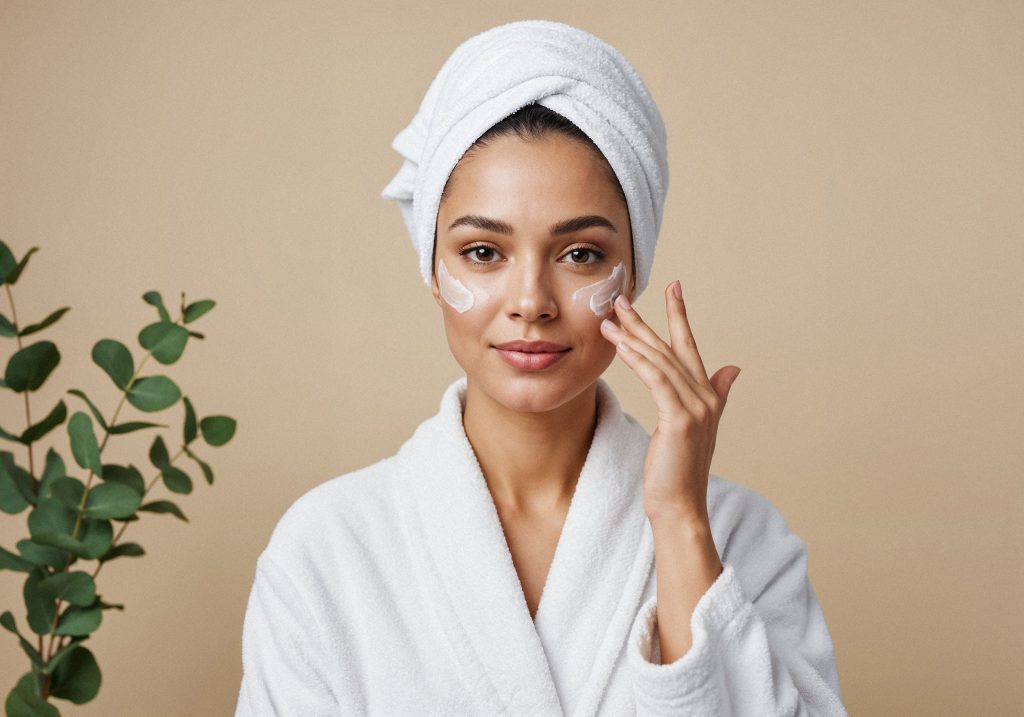
Summer is often associated with long days outdoors, radiant sunshine, and an active lifestyle. Yet for the skin, this season presents a series of challenges that are very different from those faced in cooler months. Prolonged UV exposure accelerates photoaging, leading to pigmentation, fine lines, and an increased risk of sunburn. At the same time, heat and humidity stimulate excess oil production, which can leave the skin feeling greasy and congested. Add to this the sweat, dirt, and layers of sunscreen that accumulate throughout the day, and the result is a higher likelihood of clogged pores, breakouts, and irritation.
These seasonal changes mean that skincare routines cannot remain static year-round. Consumers are increasingly aware that summer calls for lighter textures, effective sun protection, and balancing formulas that maintain hydration while preventing excess shine. They actively seek guidance on how to adjust their daily regimens, from the cleansers they choose to the after-sun care products that soothe and restore the skin. This shift in behavior highlights the growing demand for simple, science-backed, and actionable summer skincare tips that can be easily integrated into everyday life.
The rising consumer focus on seasonal skincare also opens the door to innovation within the beauty and wellness industry. Summer is not only about protection from the sun but also about restoring comfort, maintaining a healthy glow, and preventing long-term damage. By understanding these seasonal needs, it becomes possible to identify product opportunities—whether in sunscreens, hydrating mists, lightweight moisturizers, or after-sun treatments—that directly address what people are searching for during the warmer months.
This guide brings together the essential insights into summer skin concerns, practical routines, and actionable product directions, providing a clear overview of how skincare should evolve with the season. From preventing sun damage to choosing the right formulations for different skin types, the following tips highlight what matters most in summer skincare and why these adjustments are crucial for healthy, resilient skin.
Top 8 Anti Acne Market Trends in 2025
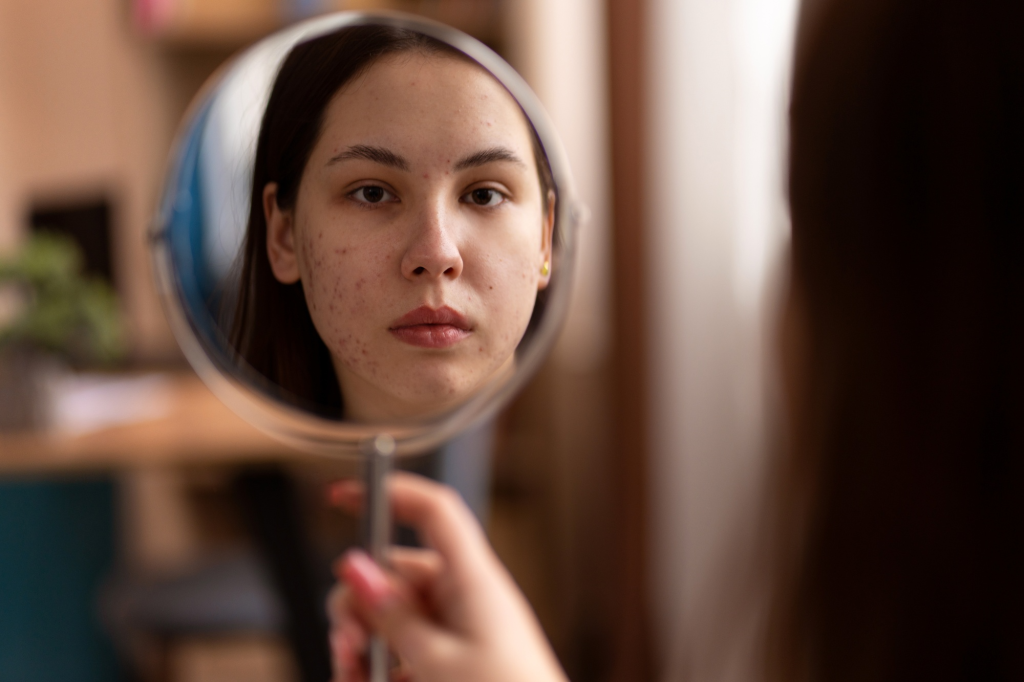
Acne is no longer seen as a teenage rite of passage—it’s now a chronic skin health concern impacting adults of all ages and skin types. In 2025, the global acne skincare market continues to expand, driven by rising incidences of hormonal imbalances, lifestyle-induced flare-ups, and environmental stressors like pollution and blue light. Consumers are no […]
Top 11 Gen Z Skincare Trends in 2025 & 2026
As we head into 2025 and 2026, one generation is clearly steering the future of skincare—and it’s not who legacy brands were built for. Gen Z, born between the mid-1990s and early 2010s, is no longer a secondary audience; they are a primary force reshaping what skincare means, how it’s used, and how it’s purchased.
What makes Gen Z different isn’t just their age—it’s their values. This is the first generation raised with both social media and instant access to information. They’ve grown up decoding ingredient lists on TikTok, double-tapping packaging that aligns with their identity, and demanding more from brands than just promises of “glow.” Their standards are higher. Their radar for inauthenticity is sharper. And their influence stretches beyond skin-deep beauty—they want function, ethics, and emotional alignment, all in one product.
Sustainability isn’t optional. Diversity is expected. Ingredient transparency is non-negotiable. And clinical efficacy must be communicated in a way that’s not intimidating. For Gen Z, skincare is a form of self-expression, self-protection, and self-education.
In this guide, I’ll walk you through the top 11 skincare trends Gen Z is leading into 2025 and 2026. These aren’t fads—they’re long-term shifts that will shape product development, marketing, and brand loyalty for years to come. Whether you’re a founder, formulator, or someone looking to understand where beauty is headed next, this is where the future starts.
Is Caviar Good for Skin Care – Benefits, Anti-Aging Effects and How to Use It

Whenever I come across caviar in skincare, I notice the same reaction: curiosity mixed with skepticism. For most people, caviar is something associated with luxury dining, not skincare jars or serums. So the question naturally arises: is caviar really good for the skin, or is it just a glamorous marketing story?
Caviar extract is good for skin because it supports collagen to reduce wrinkles, delivers deep hydration, protects against free radical damage, repairs the skin barrier, and soothes sensitivity, making it a nutrient-rich ingredient that addresses multiple skin concerns at once.
The Guide to Magnesium Oil Types and Uses: Private Label to Know
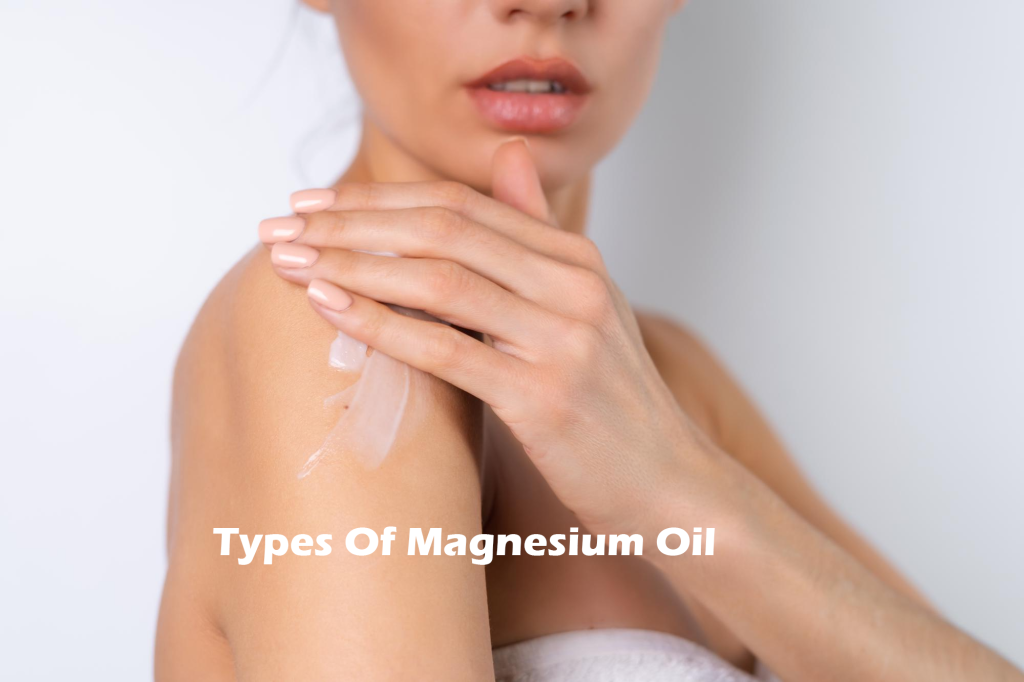
In recent years, magnesium oil has moved from niche wellness circles into mainstream recognition, becoming a sought-after product in both the health supplement and skincare industries. This shift reflects broader consumer trends: people are increasingly drawn to natural, multifunctional products that bridge inner wellness with outer beauty. Magnesium oil, with its simple formulation and versatile applications, perfectly embodies this demand.
At its core, magnesium oil plays a dual role. On one side, it functions as a wellness supplement, delivering magnesium through transdermal absorption to support muscle recovery, sleep quality, and stress reduction. On the other, it is gaining ground as a skincare ingredient, valued for its ability to strengthen the skin barrier, balance hydration, and calm irritation. This crossover appeal makes magnesium oil unique — few products can claim relevance across both the health and beauty markets.
For private label brands, magnesium oil represents an exciting opportunity. Its clean-label simplicity (often just magnesium chloride and water) aligns with the rising consumer preference for transparent, chemical-free products. Its versatility means it can be positioned in multiple categories — from sports recovery to stress relief, from clean beauty to holistic self-care. And with consumer demand steadily growing, it offers brand owners a product that is both on-trend and highly adaptable to different target audiences.
This guide will move beyond the general benefits of magnesium oil to explore the various product types, functional variations, and practical uses available for private label development. From classic sprays to specialized formulations for sleep, muscle recovery, or sensitive skin, magnesium oil can be tailored to meet diverse market needs. For entrepreneurs and established brands alike, understanding these possibilities is the first step toward building a product line that resonates with today’s wellness-driven consumers.
Top 10 Scalp Care Trends in 2025 & 2026
Scalp care is no longer a niche topic—it has become a mainstream beauty category that merges haircare, skincare, and wellness into one cohesive ritual. As the beauty industry enters 2025 and beyond, a noticeable shift is taking place: consumers are no longer just concerned with how their hair looks but with how healthy their scalp feels. This transition from cosmetic quick fixes to root-level, science-based care is reshaping product innovation, brand messaging, and consumer expectations.
Several powerful forces are accelerating this evolution. Younger demographics like Gen Z and Millennials are leading the charge, driven by a wellness-first mindset and a desire for holistic solutions. These consumers are highly informed, digitally fluent, and deeply interested in ingredients, formulation transparency, and long-term results. Their demands are pushing the industry to reframe the scalp—not as an afterthought, but as an essential part of daily self-care.
In addition, the rise of “skinification” in haircare has blurred the lines between traditional skincare and scalp care. Ingredients like hyaluronic acid, niacinamide, ceramides, and probiotics—once limited to facial products—are now widely embraced in shampoos, scalp serums, and exfoliating treatments. At the same time, the influence of social media, clean beauty, and personalized wellness has expanded what consumers expect from scalp-focused routines.
This guide explores the top 10 scalp care trends set to define 2025 and 2026. From AI-driven personalization to microbiome-targeted formulations, each trend reflects a deeper understanding of consumer behavior, global market shifts, and the merging of dermatological science with beauty innovation. Whether developing new products or fine-tuning existing lines, these insights offer a blueprint for staying relevant and competitive in a rapidly maturing category.
10 Essential Spring Skin Care Tips: Spring into Skincare
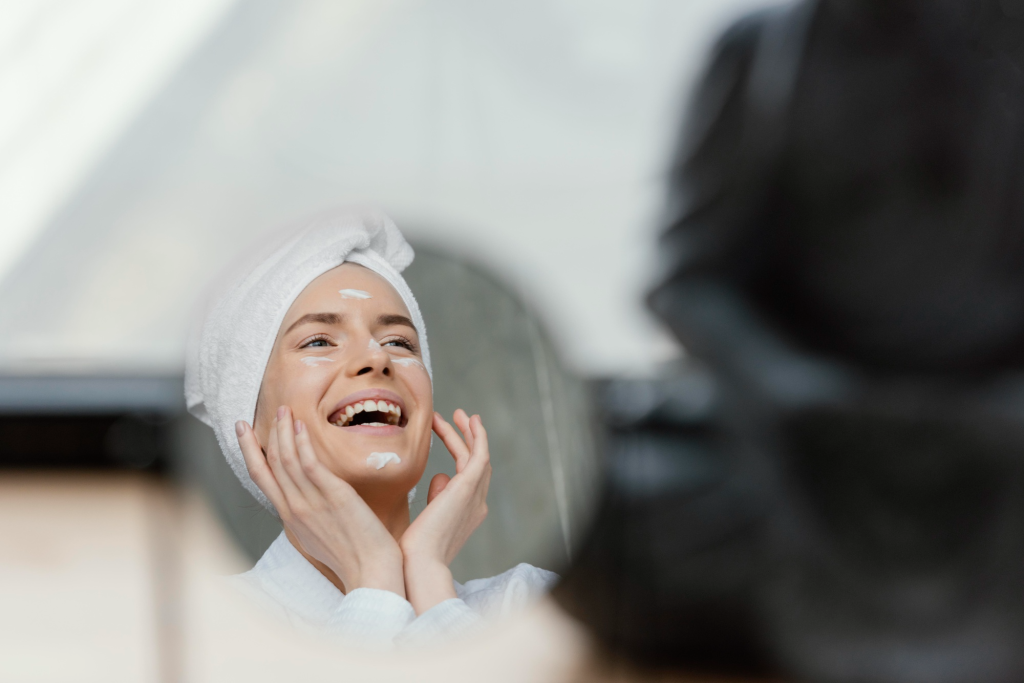
As winter’s icy grip fades and spring begins to unfold, our skin undergoes a significant shift—one that often happens faster than most people realize. The cold, dry months leave behind a trail of dehydration, a compromised barrier, and a buildup of heavier skincare and makeup products. Suddenly, the environment changes: temperatures rise, humidity increases, and allergens like pollen fill the air. This seasonal transition brings both opportunities for renewal and challenges that demand a thoughtful response.
Spring is a season of rebalancing. Skin that was thirsty for rich creams in January may now need lighter hydration to prevent congestion, yet still requires enough nourishment to keep dryness at bay. The boost in UV intensity, even on cooler days, accelerates photoaging if protection is neglected. At the same time, warmer weather can trigger increased sebum production, leading to seasonal breakouts—especially if winter’s heavy occlusives are still in the mix. These rapid changes make it essential to reassess not just what products are used, but how they are layered, applied, and adapted to individual skin needs.
Adapting a skincare routine in spring is more than just swapping out a moisturizer—it’s about applying science-backed principles to address the environmental realities of the season. From protecting against oxidative stress caused by higher UV exposure to supporting barrier recovery after harsh winter weather, a strategic approach ensures skin stays healthy, resilient, and radiant. This guide blends ingredient innovation, environmental insight, and proven skincare strategies to help transform spring into a season of visible skin renewal.