
A Complete Guide to Magnesium Oil Benefits: From Muscle Recovery to Skin Health
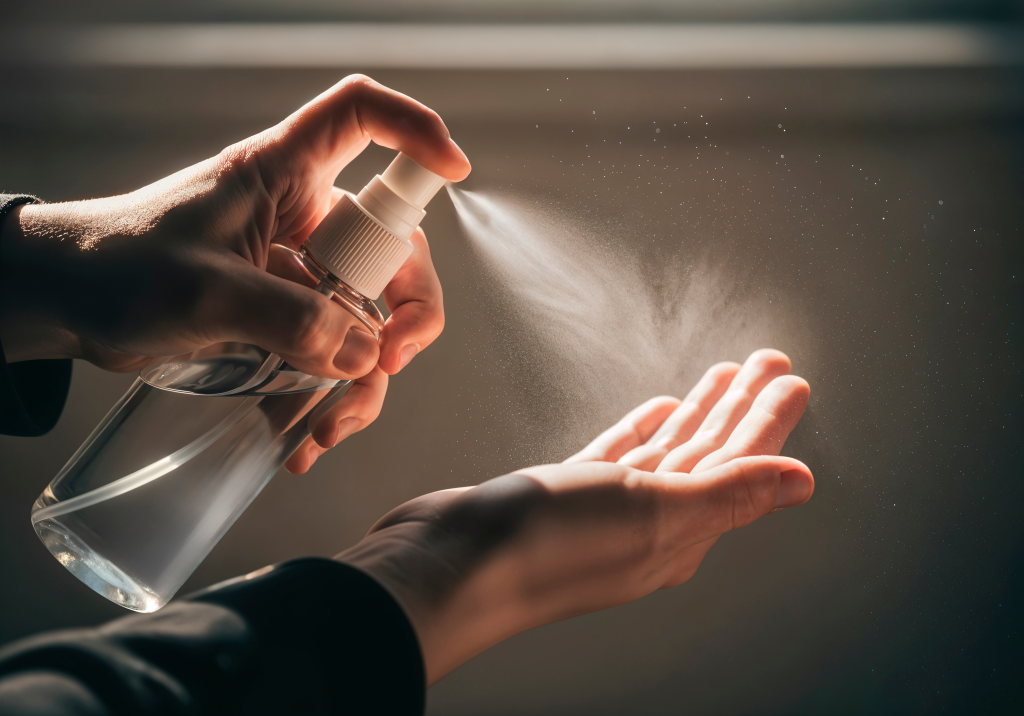
Magnesium is one of the body’s most essential minerals, quietly powering over 300 enzymatic reactions that keep the nervous system, muscles, heart, and bones functioning at their best. From supporting energy metabolism to regulating sleep quality, magnesium plays a role in nearly every aspect of human health. Yet despite its importance, studies suggest that a significant portion of the global population fails to get enough magnesium from diet alone, leading to growing interest in effective supplementation.
This is where magnesium oil comes into focus. Despite its name, magnesium oil isn’t actually an oil at all — it’s a topical solution of magnesium chloride mixed with water. The slightly slick texture is what gives it the “oil” label. When applied to the skin, it offers a direct route of absorption, bypassing the digestive system and delivering magnesium straight into the body. This transdermal approach has made magnesium oil a popular alternative to capsules or powders, especially among those who prefer natural, easy-to-use wellness solutions.
In today’s health-conscious climate, consumers are increasingly turning toward natural remedies, holistic recovery practices, and mineral-based self-care products. Athletes use magnesium oil to aid in post-workout muscle recovery, stressed professionals turn to it for relaxation and better sleep, and skincare enthusiasts explore its potential in soothing and hydrating the skin.
With so many claims surrounding its uses, it’s no surprise that people are searching for clear, science-backed information. This guide takes a comprehensive look at the benefits, underlying mechanisms, and practical applications of magnesium oil. Whether the focus is on recovery, relaxation, or skin health, understanding how magnesium oil works provides valuable insights into why it has become a rising star in the wellness and skincare markets.
12 Benefits Of Using Eye Cream
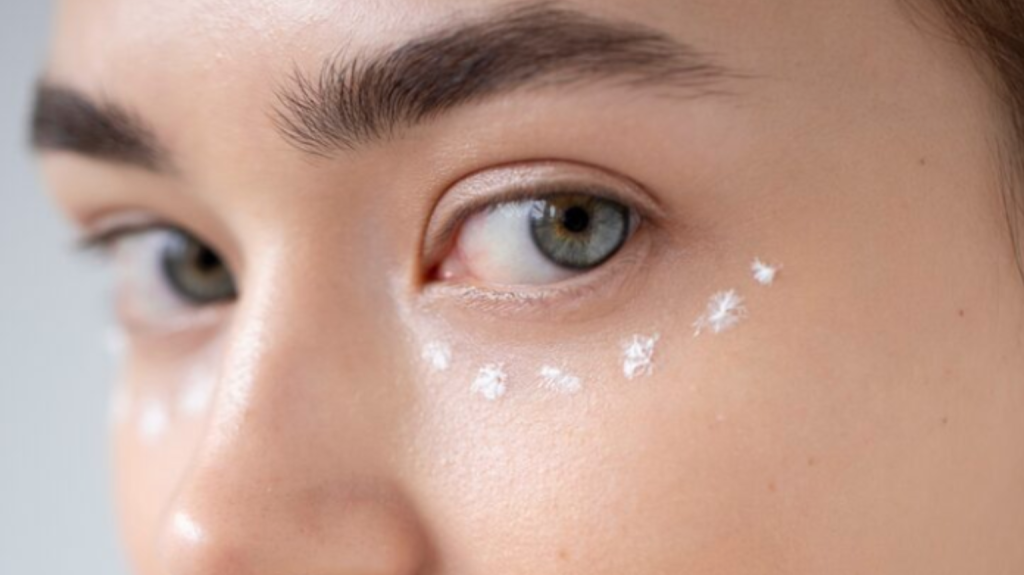
When I first started building my skincare routine, I’ll admit that eye cream was the one product I used to question. I wondered if it was really necessary, or if my regular moisturizer could do the job. But over time — through research, experience, and seeing real results — I’ve come to realize that eye cream isn’t just a “nice-to-have.” It’s a product that addresses one of the most delicate, revealing areas of the face: the skin around our eyes.
The under-eye area is unique. The skin here is thinner, it has fewer oil glands, and it’s constantly moving — every blink, every smile, every late night shows up here first. That’s why fine lines, puffiness, dryness, or dark circles often appear earlier around the eyes than anywhere else. Once I understood this, it made sense to treat this area with the same care (if not more) as the rest of my face. For me, eye cream became less about following a trend and more about protecting and investing in my skin for the long term.
12 Expert Skin Care Tips for African American Skin
I’ve always believed that caring for our skin is more than just a beauty routine — it’s an act of self-respect. Over the years, working closely with clients, beauty professionals, and fellow skincare enthusiasts, I’ve seen firsthand how unique African American skin truly is. Its higher melanin content gives it incredible natural protection against some signs of aging, yet it also comes with its own set of challenges — like hyperpigmentation, sensitivity to certain treatments, and the tendency for dryness to hide beneath an otherwise radiant surface.
What I’ve learned is this: there’s no “one-size-fits-all” approach. Many mainstream skincare tips simply don’t address the needs of darker skin tones, and in some cases, they can even make issues worse. For example, harsh scrubs and strong chemical treatments that are fine for lighter skin can trigger irritation or discoloration for us. That’s why it’s so important to have advice that’s tailored, tested, and trustworthy — advice that works with our skin’s strengths instead of fighting against them.
Top 11 Private Label Beard Care manufacturers 2025
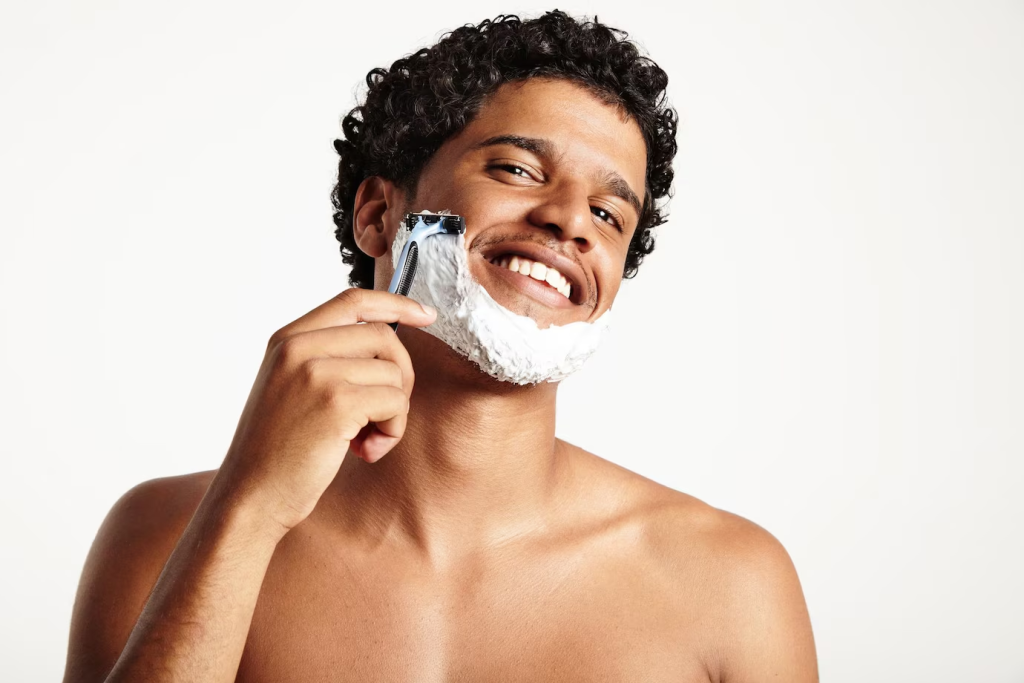
The men’s grooming industry has evolved far beyond the basics. In 2025, private label beard care isn’t just about beard oil in amber bottles—it’s about targeted formulas, clean-label ingredients, high-impact branding, and seamless supply chains. As someone deeply rooted in manufacturing and product development, I’ve had countless conversations with startup founders, barbershop owners, and grooming entrepreneurs who all echo a similar challenge: finding the right manufacturing partner who gets it—not just technically, but strategically.
That’s exactly why I created this guide.
The beard care space is growing fast, but it’s also becoming more refined. Whether it’s a conditioning beard balm for coarse hair types, a serum enriched with caffeine and peptides, or a shaving butter that aligns with vegan skincare standards, the bar is higher than ever. Beginners entering the market now need more than just a product—they need a partner that offers low MOQs, fast turnaround times, formulation flexibility, and brand development support.
Over the past year, I’ve taken a close look at dozens of global manufacturers—analyzing their websites, evaluating their formulations, studying their client experience, and (most importantly) understanding how they help beginners move from idea to shelf-ready product. The 11 companies featured in this list are not only capable of delivering high-performance beard care, but also offer business models that make it easier for newcomers to enter this competitive space without feeling overwhelmed.
Whether you’re launching your first beard oil or building a full line of men’s grooming essentials, this list is designed to give you clarity and confidence. These are the private label partners I would personally consider if I were starting a beard care brand in 2025.
Let’s explore the manufacturers who are shaping the future of beard care—one small batch at a time.
The Real Reason Why Korean Skincare Is So Good
When someone types “the real reason” into a search bar, I can almost feel the subtle mix of curiosity and doubt behind it. It’s not the same as searching “Why is Korean skincare popular?” — that question might invite surface-level answers, like “it’s trendy” or “K-beauty has cute packaging.” But “the real reason” tells me you’re looking for more. You want the truth behind the reputation, the logic behind the results, and the story that marketing campaigns often leave out. I’ve spent enough time in the skincare world to recognize that people asking this are not casual shoppers — they’re either skincare enthusiasts hungry for understanding, or cautious newcomers who don’t want to be swayed by hype alone.
Korean skincare delivers lasting results through a blend of prevention-focused philosophy, innovative ingredients, customizable routines, gentle formulations, affordability, and a beauty culture that drives constant innovation and quality for all skin types.
Fall Skincare Guide: 10 Essential Tips for Your Routine
As the vibrant warmth of summer gives way to the crisp, cool embrace of autumn, skin faces a unique set of challenges that go far beyond what meets the eye. The drop in temperature, combined with lower humidity levels, subtly but steadily depletes moisture from the skin, leaving it more prone to dryness, tightness, and irritation. At the same time, the seasonal shift often brings changes in lifestyle—more time indoors, increased exposure to heating systems, and fluctuating day-to-night conditions—all of which can disrupt the skin’s natural balance.
Failing to adapt a skincare routine during this transition can result in dullness, flakiness, increased sensitivity, and even seasonal breakouts. The barrier function weakens, antioxidant reserves are depleted more quickly, and environmental aggressors like wind and pollution have a greater impact. For those aiming to maintain a healthy, radiant complexion—or to develop skincare lines that respond to seasonal needs—autumn presents both a challenge and an opportunity.
This guide brings together science-backed insights, cutting-edge ingredient innovations, and proven practical strategies that address fall-specific skin concerns. Whether the goal is to protect hydration, restore radiance, or create targeted product solutions for the season, the following steps are designed to be actionable, effective, and relevant for both personal care routines and professional skincare development.
How to Start Your Career in the Cosmetic Industry

When we talk about the cosmetic industry, we’re talking about one of the most exciting and fastest-growing markets in the world. Valued at well over $500 billion globally and projected to keep expanding, this is a space where innovation never stops — new ingredients, technologies, and trends emerge every season, shaping the way people care for their skin, hair, and overall appearance. From luxury skincare to cutting-edge beauty tech, the opportunities are as diverse as the people who work in it.
What we love most is the range of careers this industry offers. You could be a cosmetic chemist developing high-performance formulations, a marketing strategist creating campaigns that inspire millions, a packaging designer who brings brand stories to life, or even an entrepreneur building your own beauty label from the ground up. Whatever your strengths — creative, technical, or business-focused — there’s a place for you here.
In this guide, we’re going to walk you through clear, actionable steps to start your career in the cosmetic industry. We’ll share insights we’ve gained from working with both established professionals and first-time brand founders, so you can see not just how to enter the field, but also how to build a career — and maybe even a brand — that lasts.
Exploring the Low MOQ Skincare Advantage: Pros and Cons Insights
In the evolving skincare industry of 2025, the concept of Low Minimum Order Quantity (Low MOQ) has become a pivotal topic among emerging beauty brands, niche retailers, and e-commerce entrepreneurs. While traditional skincare manufacturing often required large production volumes and substantial upfront investment, the rise of low MOQ private label solutions is reshaping how new brands approach product development and market entry.
This shift reflects broader trends—such as the demand for faster go-to-market strategies, personalized formulations, and more agile inventory control. For many businesses, especially those testing new concepts or entering competitive categories like serums or cleansers, low MOQ represents a practical entry point with reduced financial risk.
However, with this flexibility comes a set of trade-offs. From per-unit cost and customization limitations to long-term scalability concerns, low MOQ skincare manufacturing is a double-edged sword that requires careful consideration. This guide explores the advantages, challenges, and strategic insights behind low MOQ production—and offers a clear roadmap for successfully launching or expanding a skincare brand in today’s dynamic beauty landscape.
Top 12 Private Label Hair Removal Manufacturers 2025
In the rapidly evolving beauty industry, private label hair removal products have become a sought-after segment for brands aiming to offer high-quality, customized solutions to their customers. With consumers increasingly demanding effective and gentle hair removal options, the opportunity for brands to create unique products that stand out in the market has never been greater. Whether you’re an emerging beauty brand looking to establish a strong presence or an established company seeking to expand your product line, partnering with the right manufacturer is crucial.
In this guide, we delve into the top six private label hair removal product manufacturers renowned for their innovation, quality, and expertise. These manufacturers not only provide exceptional products but also offer the flexibility and customization options that allow your brand to shine. Discover how these industry leaders can help you bring your vision to life and meet the growing demand for superior hair removal solutions.
Top 13 Private Label Men’s Skin Care Manufacturers 2025
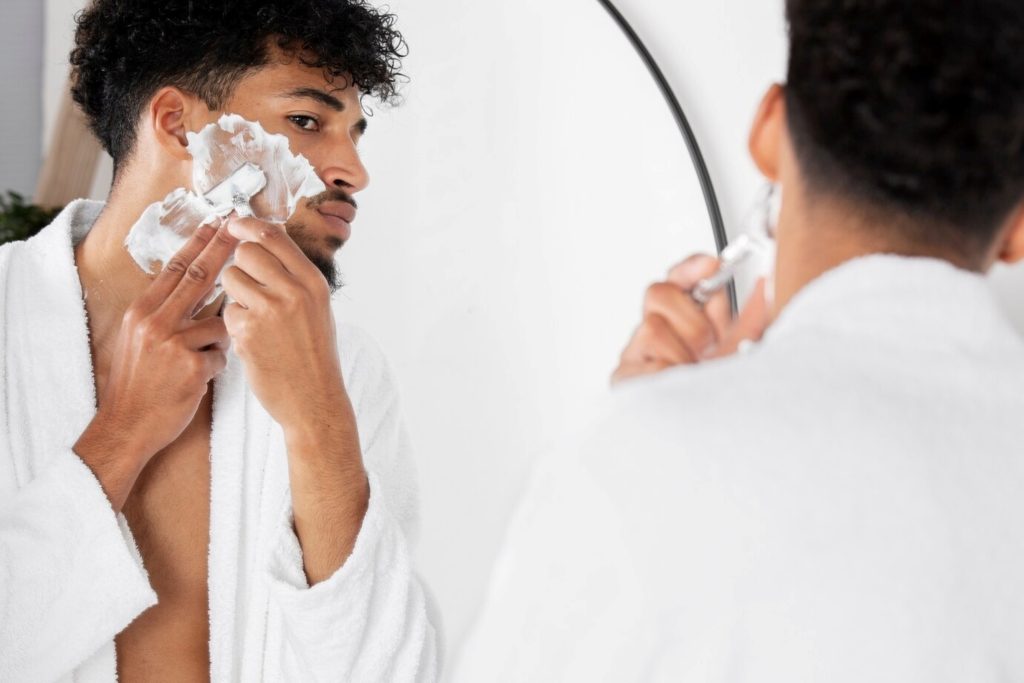
As someone deeply embedded in the skincare manufacturing world, I’ve watched the men’s grooming category evolve from an afterthought to a full-blown industry segment commanding real attention. Gone are the days when a simple all-in-one body wash sufficed. Today’s male consumers are more discerning—they expect efficacy, clean ingredients, premium branding, and products that speak directly to their needs, from beard care and anti-aging serums to oil-control cleansers and under-eye treatments.
In my own work, I’ve collaborated with emerging and established brands alike, and one recurring question always comes up: “Which manufacturer can I trust to help me launch or scale a men’s skincare line?” The truth is, there’s no one-size-fits-all answer. Some founders need low MOQs and design help, while others are seeking FDA-registered facilities with international distribution capabilities. That’s exactly why I created this guide.
The manufacturers I’ve included in this list represent some of the best private label partners for men’s skincare in 2025—each with unique strengths, service models, and levels of accessibility. Whether you’re looking for minimalist, clean-label beard oils or performance-driven eye creams for aging skin, there’s a manufacturer on this list that aligns with your goals. I’ve evaluated these companies not just on their capabilities, but on their responsiveness, transparency, regulatory support, and ability to empower newer brands with real, long-term potential.
This is more than just a roundup—it’s a strategic resource curated from a manufacturer’s perspective, designed to help you navigate what can otherwise be an overwhelming journey. These 13 companies are not only shaping the current men’s skincare market; they’re helping to define where it’s going next.
Let’s dive into the private label partners that are setting the standard for men’s skincare in 2025.