
DTC Skincare Manufacturing: How to Build Better Products That Stand Out and Scale
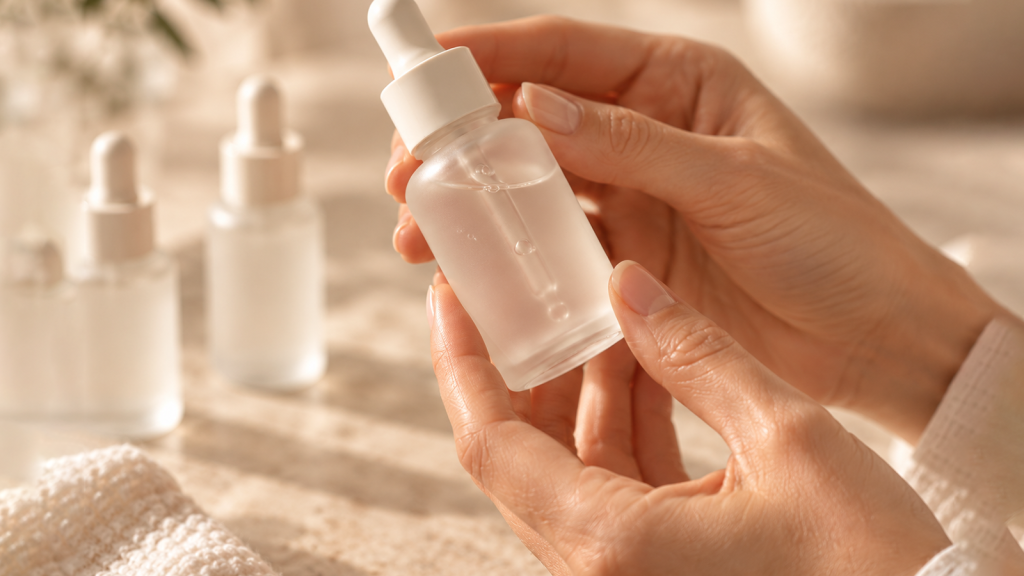
A strong DTC skincare product needs to do more than perform well. It needs a clear reason to exist within the brand—whether that comes from the product concept, formulation, sensory experience, packaging, or the way it addresses a specific customer need.
Turning that idea into a product that can be manufactured consistently is where many important decisions begin. Formula development, packaging compatibility, testing, production quantities, costs, and supply chain requirements all affect what ultimately reaches the customer.
This guide looks at the manufacturing journey from a DTC brand perspective, covering how brands can work with a skincare manufacturer to develop differentiated products, prepare for launch, and scale production as the business grows.
What Should Your Growing Skincare Brand Launch Next? A Practical Guide

Your hero product is selling. Customers are coming back, reviews are strong, and naturally, the next question comes up: What should we launch next? A moisturizer to go with your bestselling serum? A mask that gives customers a new way to use the brand? Maybe body care is starting to look interesting. Or perhaps there’s […]
How Supplement Brands Develop a Skincare Product Line: A Complete Guide
Developing a skincare product line requires a different approach from creating a supplement product. While supplement brands already understand their customers and product positioning, skincare development involves new considerations such as product concepts, formulation requirements, consumer experience, and manufacturing processes.
From selecting the right products to developing formulas and building a scalable production plan, supplement brands need a clear approach to turn a skincare idea into a market-ready product line.
This guide explores the key steps involved in developing a skincare product line, helping supplement brands understand the product strategy, development considerations, and partner support needed for successful execution.
Looking for a Menopause Skincare Manufacturer? A Guide for Skincare Brands
Menopause skincare is becoming a more defined category, and brands entering this space are looking for more than a standard mature-skin formula with different positioning. The product still needs to make sense for the consumers it is designed for, while offering enough distinction to fit the brand behind it.
For a manufacturer, that means working beyond the basic product type. A moisturizer, serum, or treatment may need a particular texture, ingredient direction, sensory profile, or level of customization depending on how the brand wants to position it. Those choices then have to work within the realities of formulation and commercial production.
This guide focuses on the practical side of working with a menopause skincare manufacturer—what brands can expect during development, what affects production decisions, and how to move a product forward.
How Wellness Brands Can Expand Into Skincare Product Lines
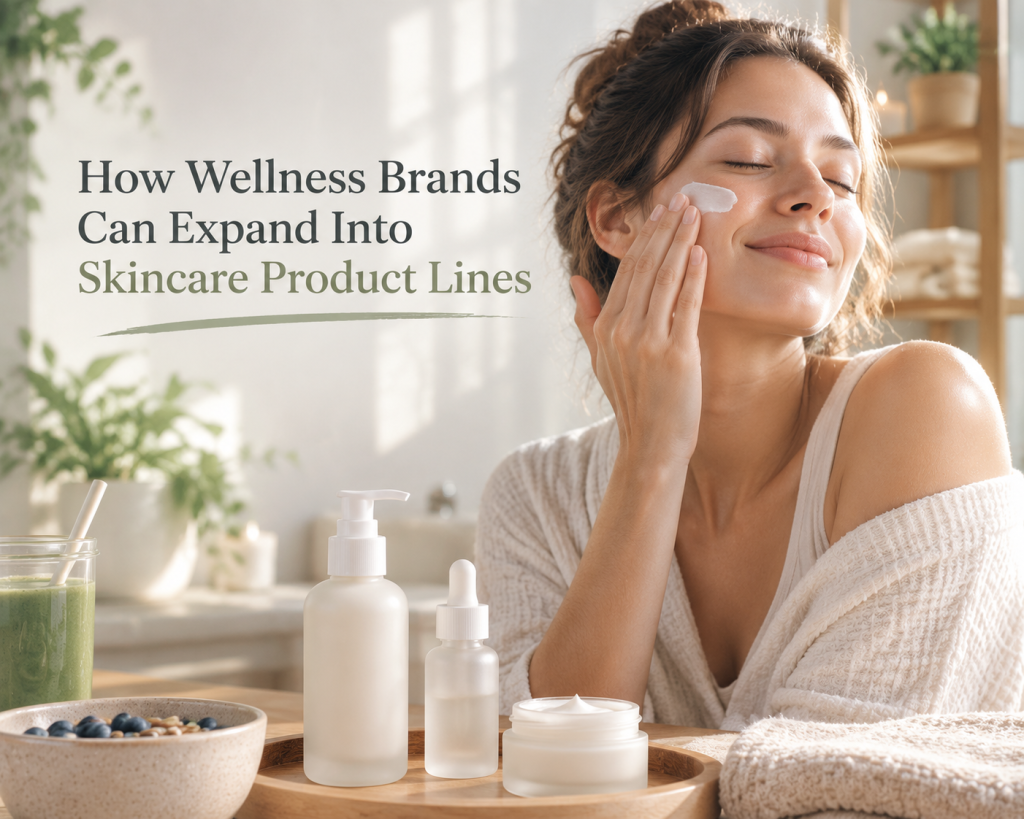
Many wellness brands have built loyal customer communities through supplements, nutrition products, and personal care solutions. As these brands grow, expanding into skincare can become a natural way to create broader beauty solutions and strengthen customer relationships. However, developing a skincare line requires more than adding new products. Brands need the right product strategy, formulation […]
How to Switch Skincare Manufacturers Without Disrupting Your Brand
Changing skincare manufacturers is a major supply-chain decision.
For some beauty brands, the need becomes clear as their business grows. Product development becomes more complex, production volumes change, packaging requirements increase, or the brand needs more support than its original manufacturing partner was built to provide.
But changing manufacturers should not be the automatic response to every delay, communication problem or quality concern. In some cases, clearer specifications, better forecasting or a practical improvement plan with the existing supplier may be the lower-risk solution.
When a change is genuinely necessary, the goal is not simply to find another factory. It is to protect product quality, maintain inventory, preserve the customer experience and move production with as little disruption as possible.
This guide explains how to decide whether a change is necessary, what can realistically move to a new skincare manufacturer and how to manage the transition with lower risk.
How to Know When It’s Time to Switch Skincare Manufacturers
Many skincare brands build long-term relationships with manufacturers that support their products and business goals at different stages of growth. A manufacturing partner that works well for a brand today may need to be reevaluated as the brand’s products, market position, and production requirements evolve. As brands grow, they may need support with new product […]
Blackbird Skincare at Cosmoprof Las Vegas 2026: Explore the Future of Trend-Driven Skincare Innovation
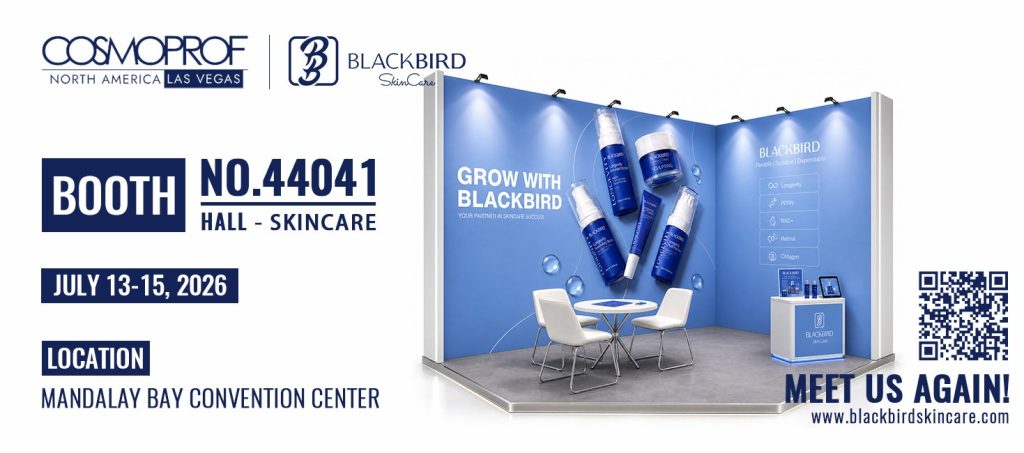
Blackbird Skincare is excited to announce our participation in Cosmoprof North America Las Vegas 2026, taking place from July 13–15, 2026, one of the leading beauty trade shows in North America. This July, we’ll be showcasing our latest skincare innovations and connecting with beauty brands seeking a trusted partner for custom formulation, private label manufacturing, […]
Menopause Skin Changes & Skincare Routine: What Brands Should Know

Menopause-related hormonal changes can affect skin hydration, sensitivity, elasticity, and barrier function, making traditional skincare routines less effective or less comfortable over time. As a result, menopause skincare routines are shifting toward gentler, barrier-focused, and multi-functional products that prioritize long-term skin support rather than aggressive treatment approaches. For brands, this creates opportunities to develop simplified skincare systems designed around comfort, resilience, and consistent daily use.
Top 12 Private Label Jelly Serum Mist Manufacturers (2026)

Jelly serum mist is a hybrid skincare format that combines the lightweight application of a facial mist with the functional benefits of a serum. Unlike traditional sprays, it requires advanced formulation techniques to maintain a gel-like texture while remaining sprayable and stable. For brands, this category offers strong differentiation potential—but also demands manufacturers with proven expertise in texture innovation, active ingredient delivery, and packaging compatibility.