
How to Reduce Risk When Starting a Skincare Brand (Step-by-Step Guide)
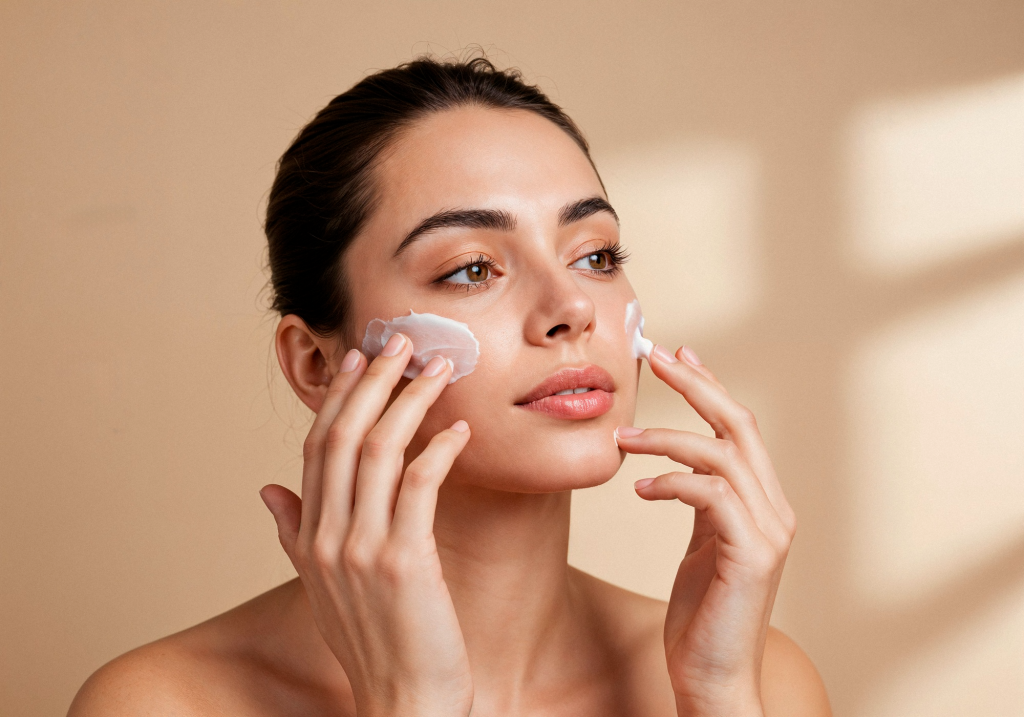
To reduce risk when starting a skincare brand, focus on validating your product idea, choosing the right manufacturing approach, starting with manageable MOQ, and ensuring formulation stability and compliance. A structured, step-by-step approach helps minimize costly mistakes and supports more predictable product development and growth.
Choosing a Cosmetics Manufacturer: What to Look For and What to Avoid
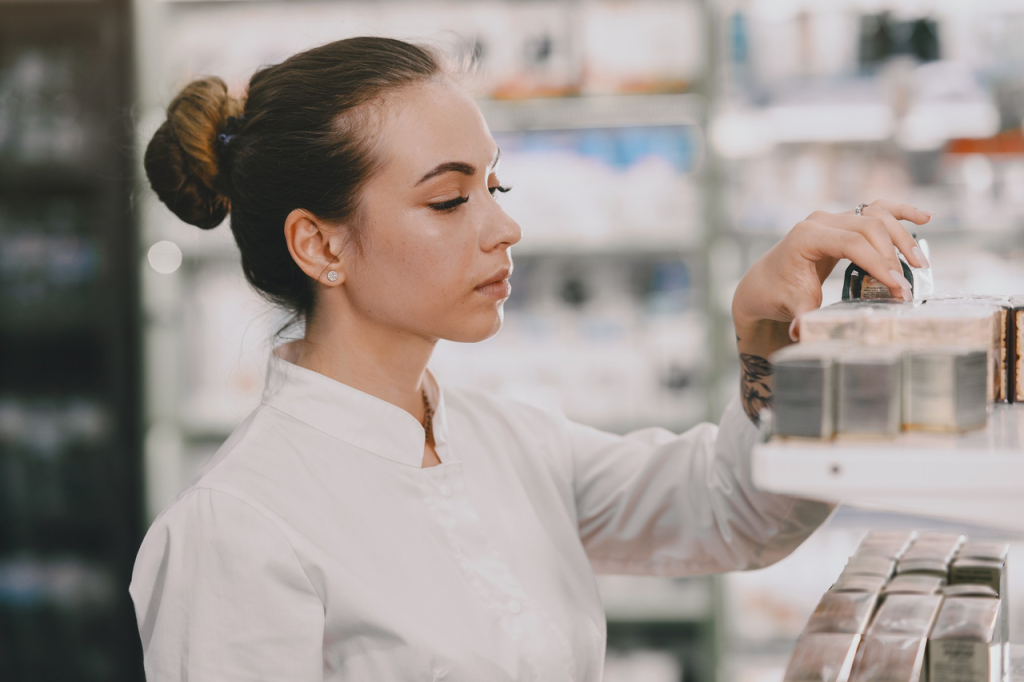
To choose a reliable cosmetics manufacturer, focus on evaluating their product expertise, formulation capability, certifications, and production consistency. Look beyond price by assessing communication, sample quality, and scalability. Avoid suppliers who lack transparency, overpromise capabilities, or cannot support your brand’s long-term growth.
K-Beauty Skincare Trends 2026 & 2027: What’s Popular and What’s Next
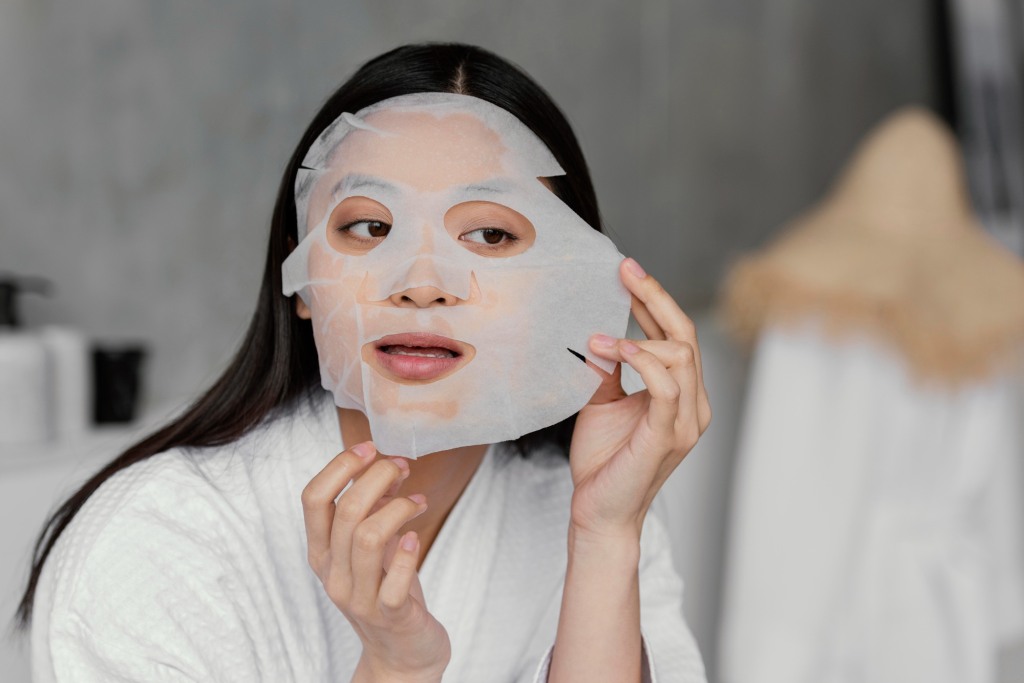
K-beauty continues to influence global skincare trends through innovation in ingredients, formulations, and skin-first philosophies focused on hydration, barrier care, and long-term skin health.
Over the past decade, K-beauty has evolved from a regional trend into a global benchmark for skincare innovation. Its influence is driven not only by unique ingredients, but also by a holistic approach to skin care that emphasizes prevention, consistency, and overall skin balance. As consumer expectations shift toward healthier, more resilient skin, K-beauty continues to shape how products are developed, formulated, and positioned worldwide.
At the same time, the concept of “glass skin”—once centered on visible radiance and smooth texture—is evolving into a more functional approach focused on hydration, barrier integrity, and long-term skin stability. Rather than pursuing instant results, modern K-beauty trends emphasize maintaining skin health through layered hydration, gentle formulations, and sustained care over time.
This shift is creating new opportunities in product development. As K-beauty continues to redefine what effective skincare looks like, understanding these trends is essential for identifying product directions, selecting the right ingredients, and developing formulations that align with both market demand and long-term skin health goals.
Top Sensitive Skin Care Trends to Watch in 2026 & 2027
Sensitive skin care is evolving from reactive treatment to long-term barrier-focused and microbiome-driven strategies, shaping how modern products are formulated and positioned.
How to Develop Sensitive Skin Skincare Products: Step-by-Step Guide
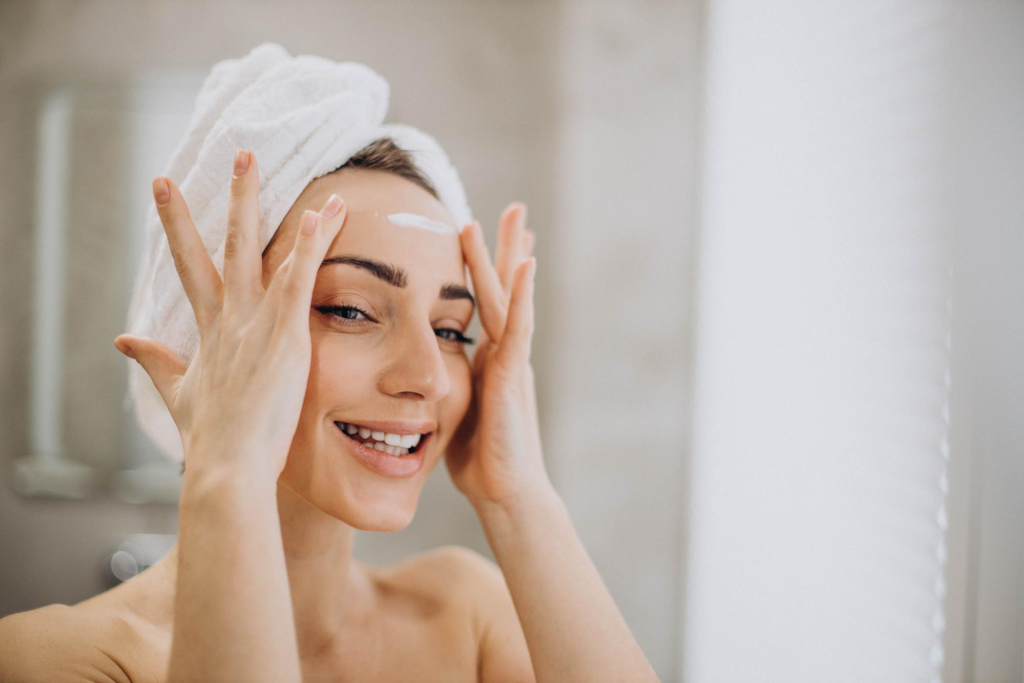
Developing sensitive skin products requires a careful balance between efficacy and skin tolerance, with a strong focus on barrier support, low-irritation ingredients, and formulation stability. Unlike conventional skincare, where performance is often driven by high-strength actives, sensitive skin formulations must deliver visible results while minimizing the risk of irritation and maintaining long-term skin comfort.
Best Ingredients for Sensitive Skin: How to Choose Soothing and Barrier-Repair Ingredients

The best ingredients for sensitive skin are those that help calm inflammation, strengthen the skin barrier, and maintain hydration without increasing irritation risk. Ingredients such as ceramides, panthenol, centella asiatica, and beta-glucan are widely used because they support skin recovery while improving overall skin resilience. These ingredients are not only popular in consumer skincare but are also widely adopted in modern product development strategies targeting sensitive or compromised skin.
Sensitive Skin Care: Causes, Ingredients, and How to Support Skin Barrier

Sensitive skin refers to skin that reacts easily to environmental factors, skincare ingredients, or physical stimuli. It often presents symptoms such as redness, burning, stinging, itching, or dryness when exposed to triggers that normally would not irritate resilient skin. In many cases, sensitive skin is associated with a weakened skin barrier, which allows irritants and allergens to penetrate the skin more easily.
Sensitive skin is usually caused by a weakened skin barrier, exposure to irritants, environmental stress, or underlying skin conditions. When the skin barrier becomes compromised, it cannot effectively retain moisture or block irritants, making the skin more reactive to skincare ingredients, pollution, temperature changes, and other external triggers.
Skincare ingredients for sensitive skin are typically selected for their ability to soothe irritation, strengthen the skin barrier, and support long-term skin resilience. Modern sensitive-skin formulations often focus on calming inflammation, improving hydration, and restoring the skin’s protective barrier to reduce reactivity.
Retinal vs Retinol: What’s the Difference and Which Is Better for Skin?
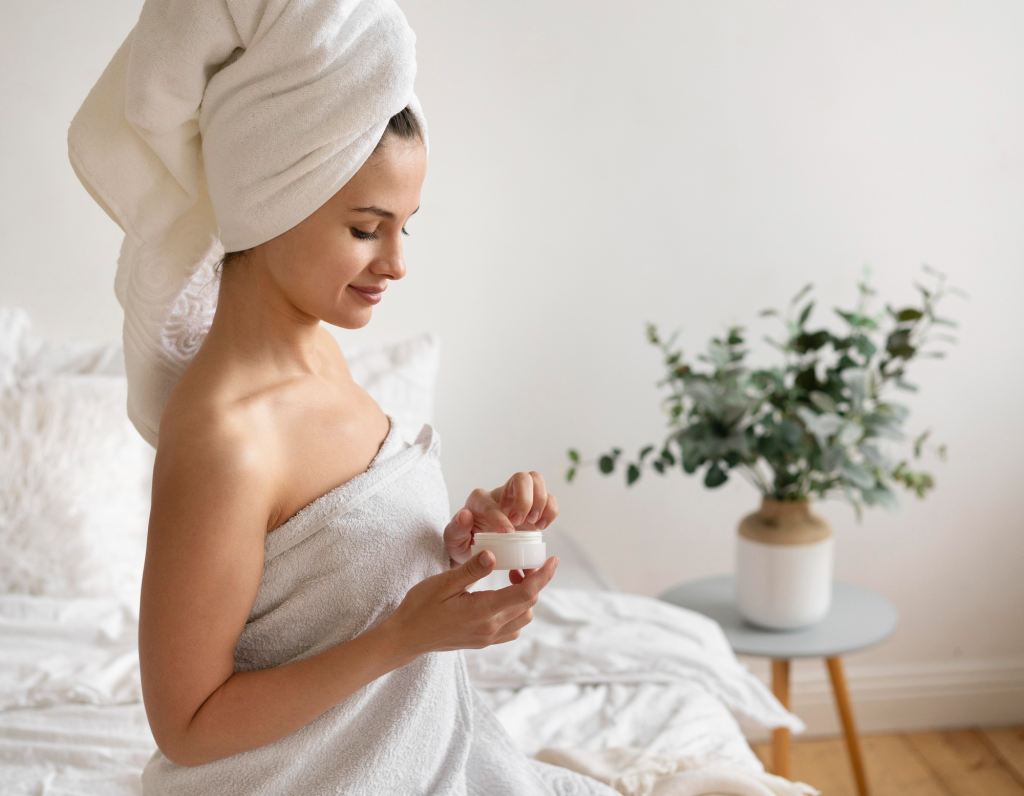
Retinal and retinol are both vitamin A derivatives used in skincare to support skin renewal, collagen activity, and overall skin texture improvement. While they belong to the same retinoid family, they differ in how efficiently they convert into retinoic acid—the biologically active form of vitamin A in the skin.
The Anatomy of a Skincare Product: What’s in My Skincare Products?
The anatomy of a skincare product refers to the structured composition of a formula, including its base, active ingredients, supportive systems, texture agents, and preservation strategy. Rather than individual ingredients working alone, skincare products function as integrated systems, where performance depends on how each component interacts within the formulation.
Bio-Longevity Series of Blackbird 2026: A Complete Guide to Skin Longevity & Next-Generation Anti-Aging
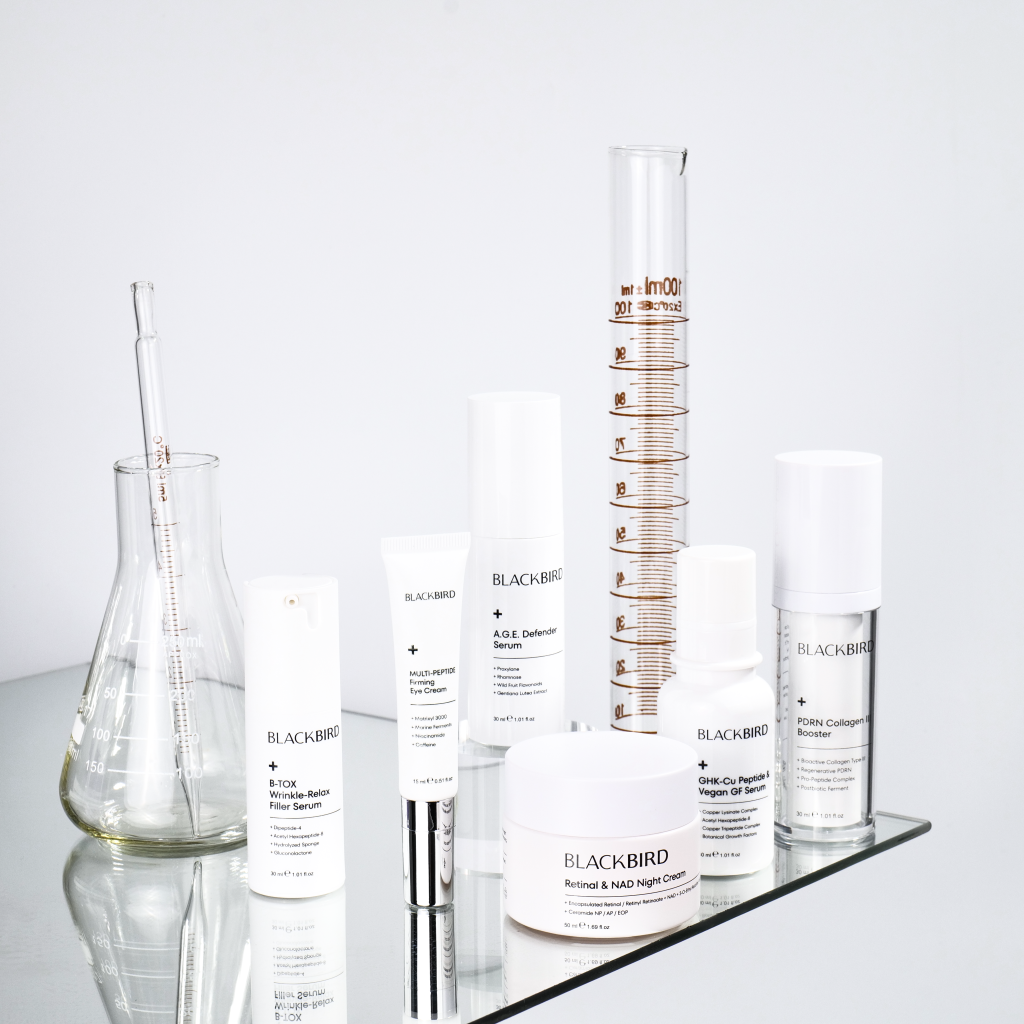
From this shift emerges the concept of Bio-Longevity. Bio-Longevity skincare represents a next-generation approach rooted in skin biology and long-term performance rather than instant cosmetic fixes. It emphasizes bioactive ingredients, regenerative support, and gentle yet effective formulations designed for continuous use. The goal is not dramatic overnight change, but sustained skin vitality—skin that remains firm, resilient, and balanced as it ages naturally.
The Blackbird Skincare Bio-Longevity Series was developed in direct response to this evolution. Drawing on global anti-aging trends, advances in cosmetic biotechnology, and a deeper understanding of skin longevity pathways, this series reflects a strategic upgrade from traditional anti-aging formulations. Each product is designed to support long-term skin health, tolerance, and performance, aligning with the growing demand for science-driven, future-ready skincare in 2026 and beyond.