
Guide to Retinol for Skin: What is it, benefits, usage
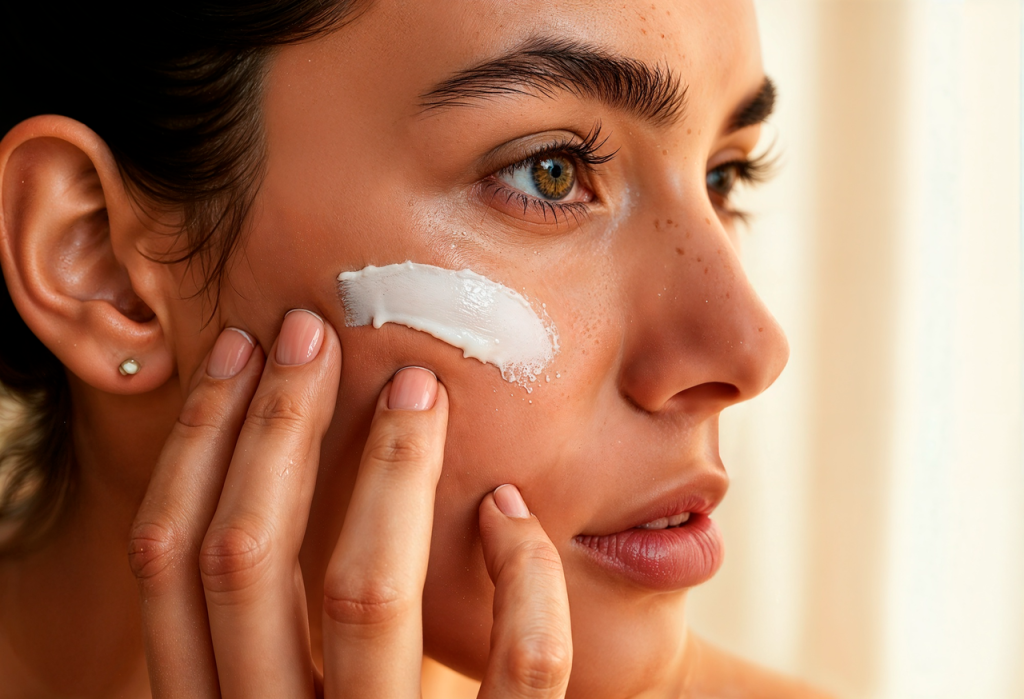
Retinol has long been regarded as one of the most researched and trusted ingredients in modern skincare. Backed by decades of dermatological studies, it is widely recognized as the “gold standard” in addressing some of the most common skin concerns—from fine lines and wrinkles to acne and uneven texture. Its reputation is built not on fleeting trends but on consistent results, making it one of the few active ingredients that bridge both medical credibility and consumer popularity.
In recent years, consumer awareness of active ingredients has grown dramatically. Shoppers are no longer satisfied with generic claims of “hydrating” or “brightening”; instead, they want to know which ingredient is responsible for results and how it works on the skin. Among actives like vitamin C, hyaluronic acid, and niacinamide, retinol stands out because of its transformative power and its ability to tackle multiple issues at once. Yet, this same potency is also the reason many consumers approach it with caution. Questions such as “Is retinol safe for sensitive skin?” or “How often should I use it?” are among the most common skincare queries today.
This is why a complete, trustworthy guide to retinol is essential. While the ingredient’s benefits are well-documented, myths, misinformation, and misuse remain widespread. Many people are curious to try retinol but hesitate due to concerns about irritation, concentration levels, or how to integrate it into their existing skincare routines. A clear, structured explanation can not only build confidence but also help users unlock the full potential of retinol without unnecessary trial and error.
For skincare brands and manufacturers, the implications are significant. Retinol represents not just a consumer trend but a strategic growth opportunity. Its association with anti-aging gives it strong market positioning, appealing to both mature customers seeking visible results and younger demographics adopting “early anti-aging” routines.
In the following sections, this article will break down what retinol is, its proven benefits, how to use it safely, and where it fits into modern skincare routines. Whether the focus is anti-aging, acne care, or overall skin renewal, understanding retinol provides insight into why it continues to be a cornerstone ingredient in skincare innovation worldwide.
6 Steps of the Cosmetic Production Process from Idea to Market
Step Process Stage Key Focus 1 Concept & Market Research Define brand vision, target audience, and analyze competitors. 2 Formulation Development Work with chemists, select hero ingredients, and test formulas. 3 Branding & Packaging Design Create brand identity, choose packaging, and align with brand values. 4 Manufacturing & Quality Control Use pilot or large-scale batches, […]
Summer Skincare Routine Guide: 10 Must-Know Tips
Summer is often associated with long days outdoors, radiant sunshine, and an active lifestyle. Yet for the skin, this season presents a series of challenges that are very different from those faced in cooler months. Prolonged UV exposure accelerates photoaging, leading to pigmentation, fine lines, and an increased risk of sunburn. At the same time, heat and humidity stimulate excess oil production, which can leave the skin feeling greasy and congested. Add to this the sweat, dirt, and layers of sunscreen that accumulate throughout the day, and the result is a higher likelihood of clogged pores, breakouts, and irritation.
These seasonal changes mean that skincare routines cannot remain static year-round. Consumers are increasingly aware that summer calls for lighter textures, effective sun protection, and balancing formulas that maintain hydration while preventing excess shine. They actively seek guidance on how to adjust their daily regimens, from the cleansers they choose to the after-sun care products that soothe and restore the skin. This shift in behavior highlights the growing demand for simple, science-backed, and actionable summer skincare tips that can be easily integrated into everyday life.
The rising consumer focus on seasonal skincare also opens the door to innovation within the beauty and wellness industry. Summer is not only about protection from the sun but also about restoring comfort, maintaining a healthy glow, and preventing long-term damage. By understanding these seasonal needs, it becomes possible to identify product opportunities—whether in sunscreens, hydrating mists, lightweight moisturizers, or after-sun treatments—that directly address what people are searching for during the warmer months.
This guide brings together the essential insights into summer skin concerns, practical routines, and actionable product directions, providing a clear overview of how skincare should evolve with the season. From preventing sun damage to choosing the right formulations for different skin types, the following tips highlight what matters most in summer skincare and why these adjustments are crucial for healthy, resilient skin.
Is Caviar Good for Skin Care – Benefits, Anti-Aging Effects and How to Use It

Whenever I come across caviar in skincare, I notice the same reaction: curiosity mixed with skepticism. For most people, caviar is something associated with luxury dining, not skincare jars or serums. So the question naturally arises: is caviar really good for the skin, or is it just a glamorous marketing story?
Caviar extract is good for skin because it supports collagen to reduce wrinkles, delivers deep hydration, protects against free radical damage, repairs the skin barrier, and soothes sensitivity, making it a nutrient-rich ingredient that addresses multiple skin concerns at once.
The Guide to Magnesium Oil Types and Uses: Private Label to Know
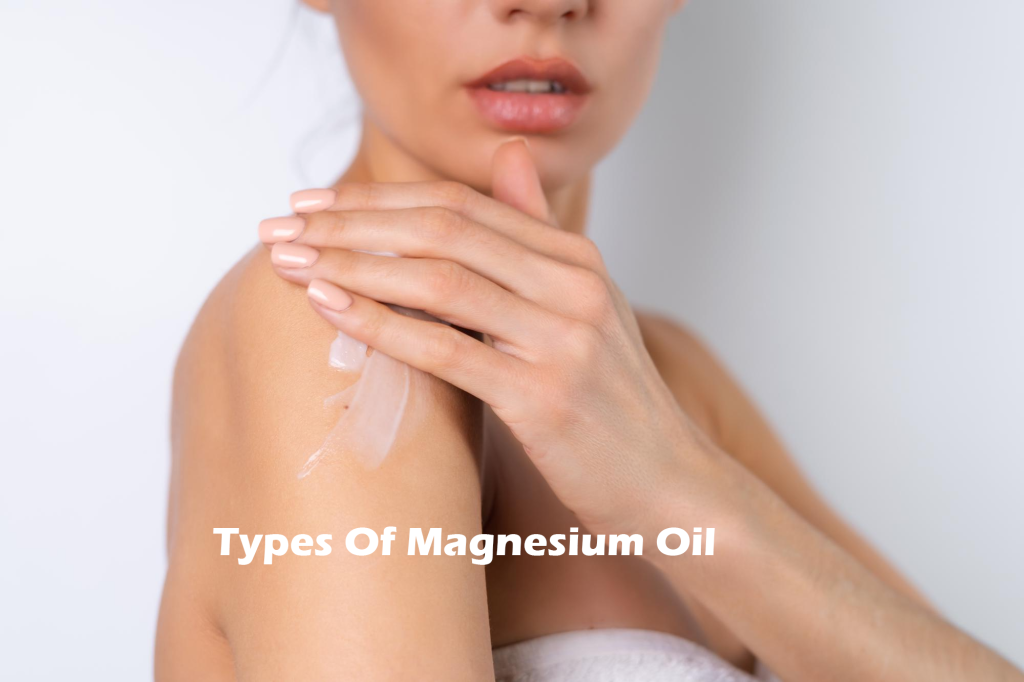
In recent years, magnesium oil has moved from niche wellness circles into mainstream recognition, becoming a sought-after product in both the health supplement and skincare industries. This shift reflects broader consumer trends: people are increasingly drawn to natural, multifunctional products that bridge inner wellness with outer beauty. Magnesium oil, with its simple formulation and versatile applications, perfectly embodies this demand.
At its core, magnesium oil plays a dual role. On one side, it functions as a wellness supplement, delivering magnesium through transdermal absorption to support muscle recovery, sleep quality, and stress reduction. On the other, it is gaining ground as a skincare ingredient, valued for its ability to strengthen the skin barrier, balance hydration, and calm irritation. This crossover appeal makes magnesium oil unique — few products can claim relevance across both the health and beauty markets.
For private label brands, magnesium oil represents an exciting opportunity. Its clean-label simplicity (often just magnesium chloride and water) aligns with the rising consumer preference for transparent, chemical-free products. Its versatility means it can be positioned in multiple categories — from sports recovery to stress relief, from clean beauty to holistic self-care. And with consumer demand steadily growing, it offers brand owners a product that is both on-trend and highly adaptable to different target audiences.
This guide will move beyond the general benefits of magnesium oil to explore the various product types, functional variations, and practical uses available for private label development. From classic sprays to specialized formulations for sleep, muscle recovery, or sensitive skin, magnesium oil can be tailored to meet diverse market needs. For entrepreneurs and established brands alike, understanding these possibilities is the first step toward building a product line that resonates with today’s wellness-driven consumers.
10 Essential Spring Skin Care Tips: Spring into Skincare
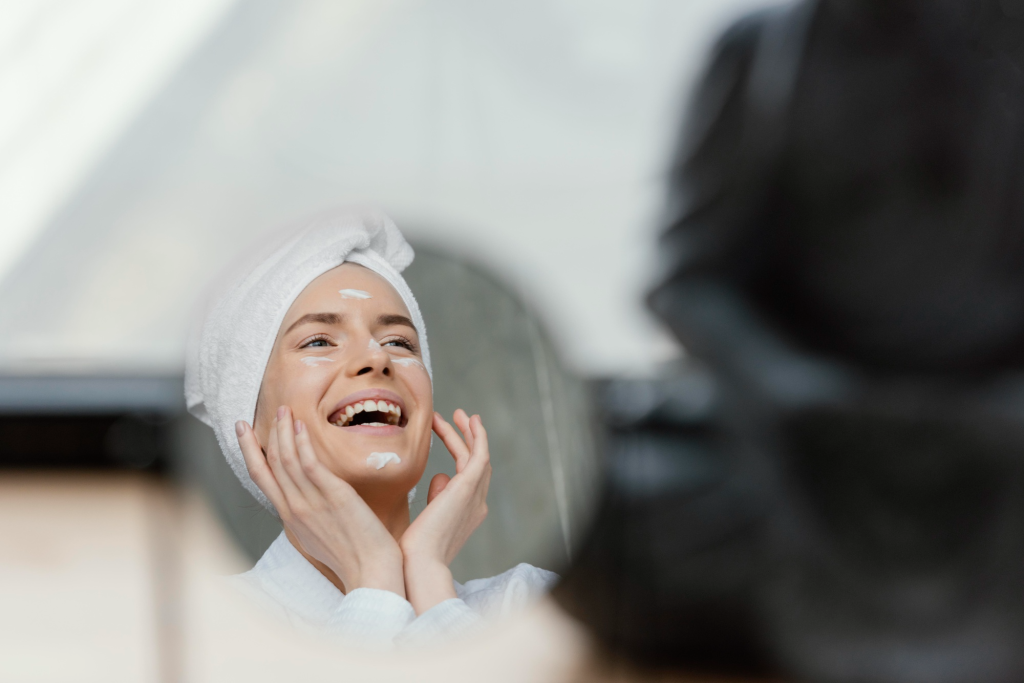
As winter’s icy grip fades and spring begins to unfold, our skin undergoes a significant shift—one that often happens faster than most people realize. The cold, dry months leave behind a trail of dehydration, a compromised barrier, and a buildup of heavier skincare and makeup products. Suddenly, the environment changes: temperatures rise, humidity increases, and allergens like pollen fill the air. This seasonal transition brings both opportunities for renewal and challenges that demand a thoughtful response.
Spring is a season of rebalancing. Skin that was thirsty for rich creams in January may now need lighter hydration to prevent congestion, yet still requires enough nourishment to keep dryness at bay. The boost in UV intensity, even on cooler days, accelerates photoaging if protection is neglected. At the same time, warmer weather can trigger increased sebum production, leading to seasonal breakouts—especially if winter’s heavy occlusives are still in the mix. These rapid changes make it essential to reassess not just what products are used, but how they are layered, applied, and adapted to individual skin needs.
Adapting a skincare routine in spring is more than just swapping out a moisturizer—it’s about applying science-backed principles to address the environmental realities of the season. From protecting against oxidative stress caused by higher UV exposure to supporting barrier recovery after harsh winter weather, a strategic approach ensures skin stays healthy, resilient, and radiant. This guide blends ingredient innovation, environmental insight, and proven skincare strategies to help transform spring into a season of visible skin renewal.
A Complete Guide to Magnesium Oil Benefits: From Muscle Recovery to Skin Health
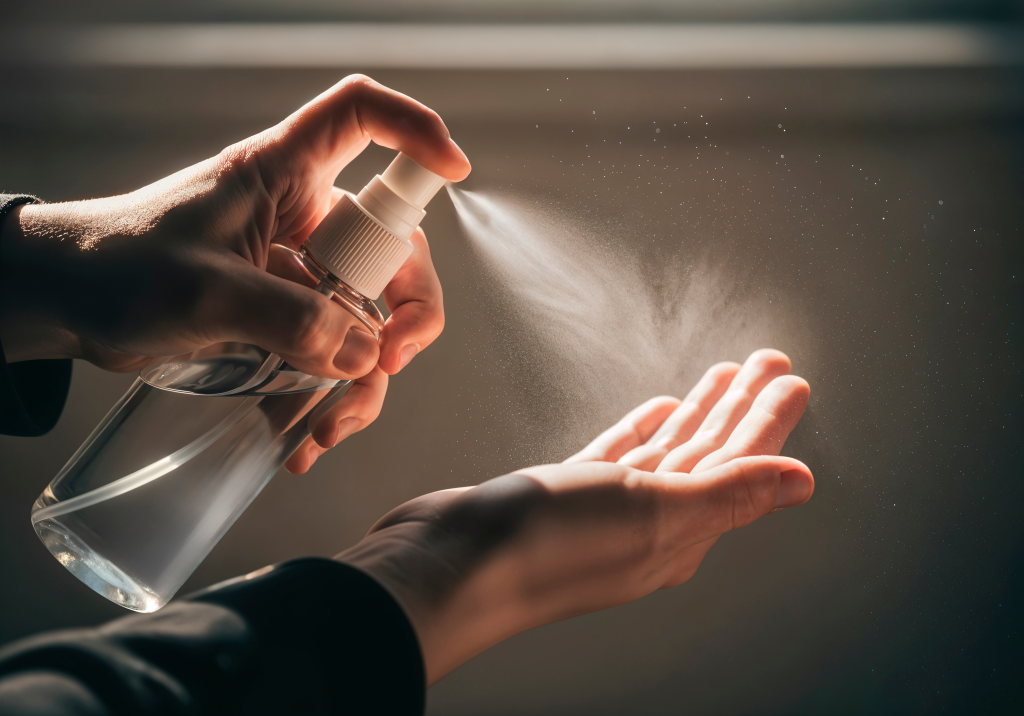
Magnesium is one of the body’s most essential minerals, quietly powering over 300 enzymatic reactions that keep the nervous system, muscles, heart, and bones functioning at their best. From supporting energy metabolism to regulating sleep quality, magnesium plays a role in nearly every aspect of human health. Yet despite its importance, studies suggest that a significant portion of the global population fails to get enough magnesium from diet alone, leading to growing interest in effective supplementation.
This is where magnesium oil comes into focus. Despite its name, magnesium oil isn’t actually an oil at all — it’s a topical solution of magnesium chloride mixed with water. The slightly slick texture is what gives it the “oil” label. When applied to the skin, it offers a direct route of absorption, bypassing the digestive system and delivering magnesium straight into the body. This transdermal approach has made magnesium oil a popular alternative to capsules or powders, especially among those who prefer natural, easy-to-use wellness solutions.
In today’s health-conscious climate, consumers are increasingly turning toward natural remedies, holistic recovery practices, and mineral-based self-care products. Athletes use magnesium oil to aid in post-workout muscle recovery, stressed professionals turn to it for relaxation and better sleep, and skincare enthusiasts explore its potential in soothing and hydrating the skin.
With so many claims surrounding its uses, it’s no surprise that people are searching for clear, science-backed information. This guide takes a comprehensive look at the benefits, underlying mechanisms, and practical applications of magnesium oil. Whether the focus is on recovery, relaxation, or skin health, understanding how magnesium oil works provides valuable insights into why it has become a rising star in the wellness and skincare markets.
12 Benefits Of Using Eye Cream
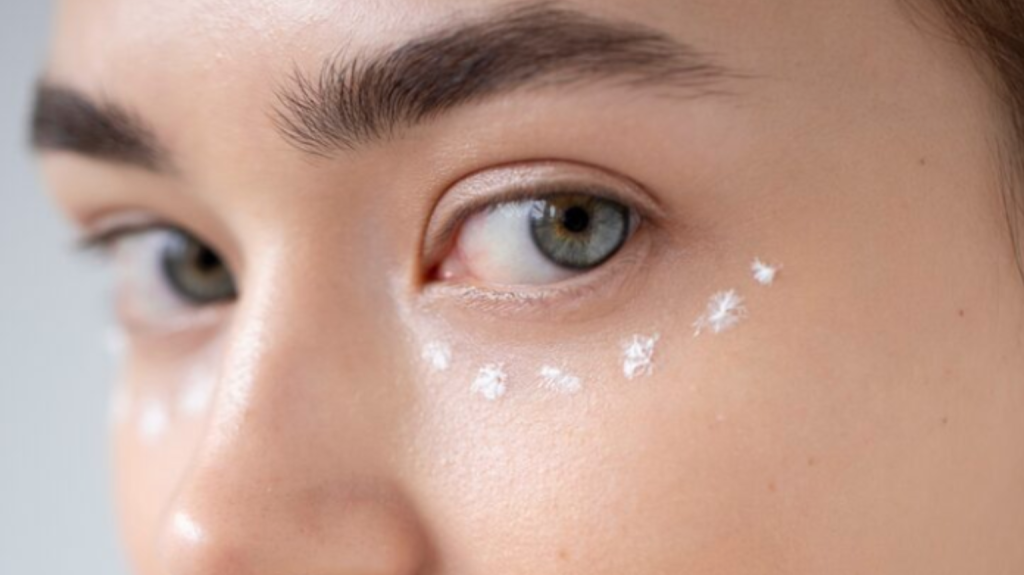
When I first started building my skincare routine, I’ll admit that eye cream was the one product I used to question. I wondered if it was really necessary, or if my regular moisturizer could do the job. But over time — through research, experience, and seeing real results — I’ve come to realize that eye cream isn’t just a “nice-to-have.” It’s a product that addresses one of the most delicate, revealing areas of the face: the skin around our eyes.
The under-eye area is unique. The skin here is thinner, it has fewer oil glands, and it’s constantly moving — every blink, every smile, every late night shows up here first. That’s why fine lines, puffiness, dryness, or dark circles often appear earlier around the eyes than anywhere else. Once I understood this, it made sense to treat this area with the same care (if not more) as the rest of my face. For me, eye cream became less about following a trend and more about protecting and investing in my skin for the long term.
12 Expert Skin Care Tips for African American Skin

I’ve always believed that caring for our skin is more than just a beauty routine — it’s an act of self-respect. Over the years, working closely with clients, beauty professionals, and fellow skincare enthusiasts, I’ve seen firsthand how unique African American skin truly is. Its higher melanin content gives it incredible natural protection against some signs of aging, yet it also comes with its own set of challenges — like hyperpigmentation, sensitivity to certain treatments, and the tendency for dryness to hide beneath an otherwise radiant surface.
What I’ve learned is this: there’s no “one-size-fits-all” approach. Many mainstream skincare tips simply don’t address the needs of darker skin tones, and in some cases, they can even make issues worse. For example, harsh scrubs and strong chemical treatments that are fine for lighter skin can trigger irritation or discoloration for us. That’s why it’s so important to have advice that’s tailored, tested, and trustworthy — advice that works with our skin’s strengths instead of fighting against them.
The Real Reason Why Korean Skincare Is So Good
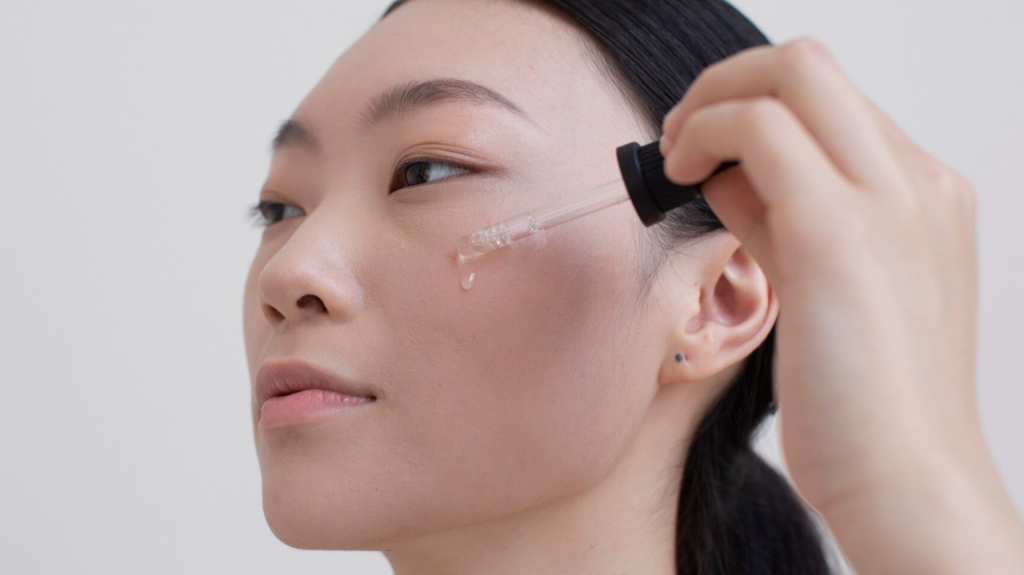
When someone types “the real reason” into a search bar, I can almost feel the subtle mix of curiosity and doubt behind it. It’s not the same as searching “Why is Korean skincare popular?” — that question might invite surface-level answers, like “it’s trendy” or “K-beauty has cute packaging.” But “the real reason” tells me you’re looking for more. You want the truth behind the reputation, the logic behind the results, and the story that marketing campaigns often leave out. I’ve spent enough time in the skincare world to recognize that people asking this are not casual shoppers — they’re either skincare enthusiasts hungry for understanding, or cautious newcomers who don’t want to be swayed by hype alone.
Korean skincare delivers lasting results through a blend of prevention-focused philosophy, innovative ingredients, customizable routines, gentle formulations, affordability, and a beauty culture that drives constant innovation and quality for all skin types.