
Fall Skincare Guide: 10 Essential Tips for Your Routine
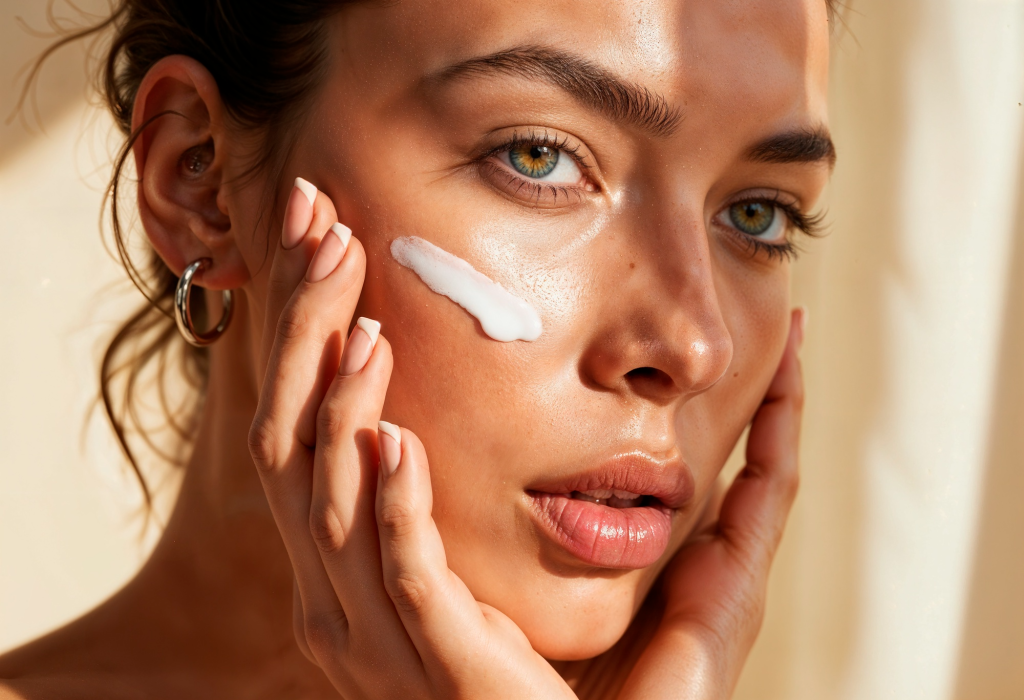
As the vibrant warmth of summer gives way to the crisp, cool embrace of autumn, skin faces a unique set of challenges that go far beyond what meets the eye. The drop in temperature, combined with lower humidity levels, subtly but steadily depletes moisture from the skin, leaving it more prone to dryness, tightness, and irritation. At the same time, the seasonal shift often brings changes in lifestyle—more time indoors, increased exposure to heating systems, and fluctuating day-to-night conditions—all of which can disrupt the skin’s natural balance.
Failing to adapt a skincare routine during this transition can result in dullness, flakiness, increased sensitivity, and even seasonal breakouts. The barrier function weakens, antioxidant reserves are depleted more quickly, and environmental aggressors like wind and pollution have a greater impact. For those aiming to maintain a healthy, radiant complexion—or to develop skincare lines that respond to seasonal needs—autumn presents both a challenge and an opportunity.
This guide brings together science-backed insights, cutting-edge ingredient innovations, and proven practical strategies that address fall-specific skin concerns. Whether the goal is to protect hydration, restore radiance, or create targeted product solutions for the season, the following steps are designed to be actionable, effective, and relevant for both personal care routines and professional skincare development.
How to Start Your Career in the Cosmetic Industry

When we talk about the cosmetic industry, we’re talking about one of the most exciting and fastest-growing markets in the world. Valued at well over $500 billion globally and projected to keep expanding, this is a space where innovation never stops — new ingredients, technologies, and trends emerge every season, shaping the way people care for their skin, hair, and overall appearance. From luxury skincare to cutting-edge beauty tech, the opportunities are as diverse as the people who work in it.
What we love most is the range of careers this industry offers. You could be a cosmetic chemist developing high-performance formulations, a marketing strategist creating campaigns that inspire millions, a packaging designer who brings brand stories to life, or even an entrepreneur building your own beauty label from the ground up. Whatever your strengths — creative, technical, or business-focused — there’s a place for you here.
In this guide, we’re going to walk you through clear, actionable steps to start your career in the cosmetic industry. We’ll share insights we’ve gained from working with both established professionals and first-time brand founders, so you can see not just how to enter the field, but also how to build a career — and maybe even a brand — that lasts.
Exploring the Low MOQ Skincare Advantage: Pros and Cons Insights
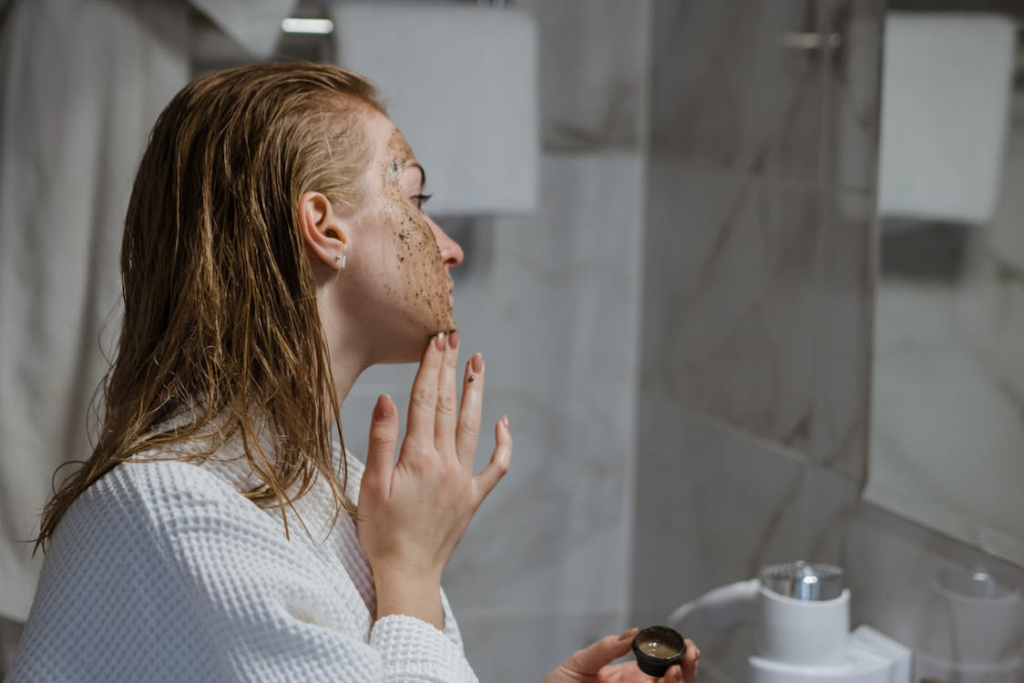
In the evolving skincare industry of 2025, the concept of Low Minimum Order Quantity (Low MOQ) has become a pivotal topic among emerging beauty brands, niche retailers, and e-commerce entrepreneurs. While traditional skincare manufacturing often required large production volumes and substantial upfront investment, the rise of low MOQ private label solutions is reshaping how new brands approach product development and market entry.
This shift reflects broader trends—such as the demand for faster go-to-market strategies, personalized formulations, and more agile inventory control. For many businesses, especially those testing new concepts or entering competitive categories like serums or cleansers, low MOQ represents a practical entry point with reduced financial risk.
However, with this flexibility comes a set of trade-offs. From per-unit cost and customization limitations to long-term scalability concerns, low MOQ skincare manufacturing is a double-edged sword that requires careful consideration. This guide explores the advantages, challenges, and strategic insights behind low MOQ production—and offers a clear roadmap for successfully launching or expanding a skincare brand in today’s dynamic beauty landscape.
11 Major Problems Facing the Beauty Industry Today
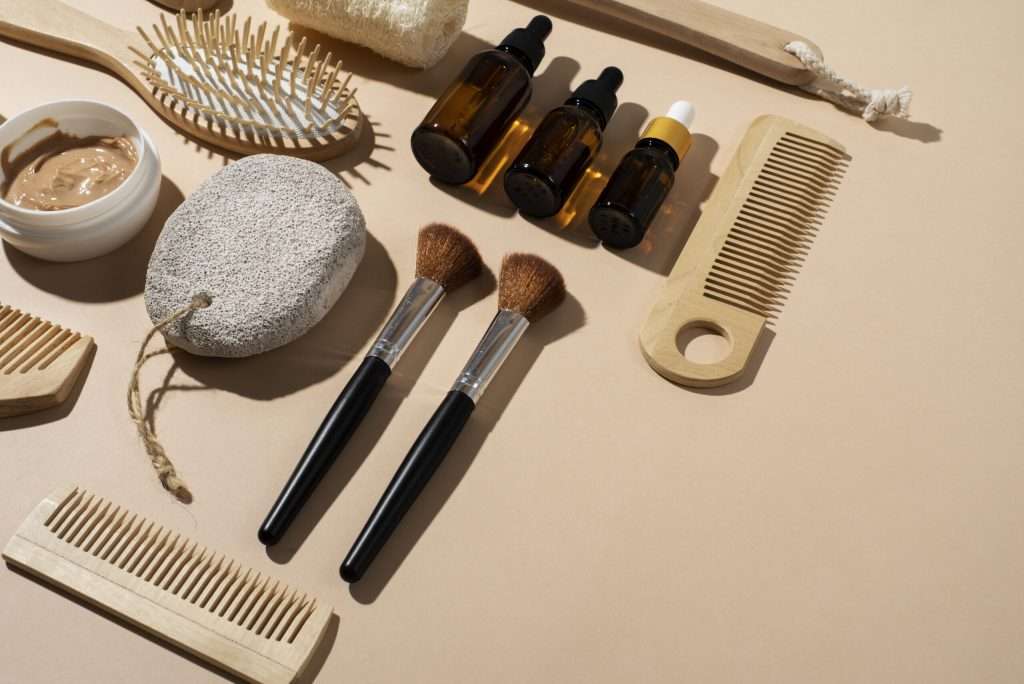
The beauty industry is one of the most dynamic and fast-moving markets in the world. I’ve had the opportunity to watch it grow into a global powerhouse worth hundreds of billions, driven by innovation, cultural shifts, and an endless appetite for new products. But for all its success, I’ve also seen a side of the industry that isn’t discussed as openly: the persistent challenges that shape how brands operate and how consumers experience beauty products every day.
These problems aren’t just minor obstacles—they influence everything from product development and brand positioning to consumer trust and long-term growth. Whether you’re an industry professional navigating supply chain challenges, a beauty enthusiast wondering why your favorite product changed formulas, an investor assessing where the market is headed, a journalist uncovering the next industry shake-up, or an innovator looking to bring fresh ideas to the table, understanding these challenges is essential.
Top 16 Private Label Shampoo Manufacturers 2025
In my journey through the beauty industry, I’ve witnessed firsthand the transformative impact that a well-crafted shampoo can have on a brand’s reputation and its bottom line. As we step into 2025, the landscape of private label shampoo manufacturing continues to evolve, driven by consumer demands for sustainability, customization, and innovative formulations. With a seasoned eye for both market trends and timeless quality, I’ve curated a list of the top 16 private label shampoo manufacturers that stand out in this dynamic industry.
Each manufacturer on this list has been evaluated based on their innovation, compliance with international standards, customer service excellence, and their ability to provide comprehensive solutions from formulation to final product delivery. As we explore these top contenders, you’ll discover that whether you are looking to launch a new product line or expand your existing offerings, these manufacturers have the expertise to elevate your brand and meet the discerning needs of today’s market.
Join me as we delve into the world of private label shampoo manufacturing, where each company brings something unique to the table, from cutting-edge R&D capabilities to bespoke branding services that resonate with consumers. This guide is designed to equip you with the knowledge and insights needed to make an informed decision, one that ensures your brand not only survives but thrives in the competitive beauty landscape of 2025.
Sallow Skin: Causes, Symptoms, and Skincare Treatments That Work
Sallow skin is one of those concerns that doesn’t always get the attention it deserves—but it should. When I first encountered clients struggling with dull, yellowish skin tones that just wouldn’t improve with regular moisturizers or brightening serums, it became clear this wasn’t just a cosmetic issue. It was a signal of deeper imbalances—nutritional gaps, lifestyle stress, environmental overload, or even internal inflammation.
What makes sallow skin different from general dullness is its distinct undertone and often persistent appearance. It can make someone look tired, aged, or even unwell, even if they’re following a seemingly good skincare routine. And yet, many products on the market treat it as an afterthought.
That’s why in this guide, I want to go beyond surface-level advice and offer a comprehensive exploration into what really causes sallow skin—and how to effectively treat it. Whether you’re developing skincare products for tired, stressed-out skin or seeking solutions that align with real skin biology, this post outlines actionable insights grounded in both science and strategy.
Let’s start by understanding what sallow skin really is, why it happens, and how to bring vitality back into the complexion—one targeted step at a time.
Skin Barrier Repair Is the Next Hero Claim—And Smart Skincare Brands Are Already Leading
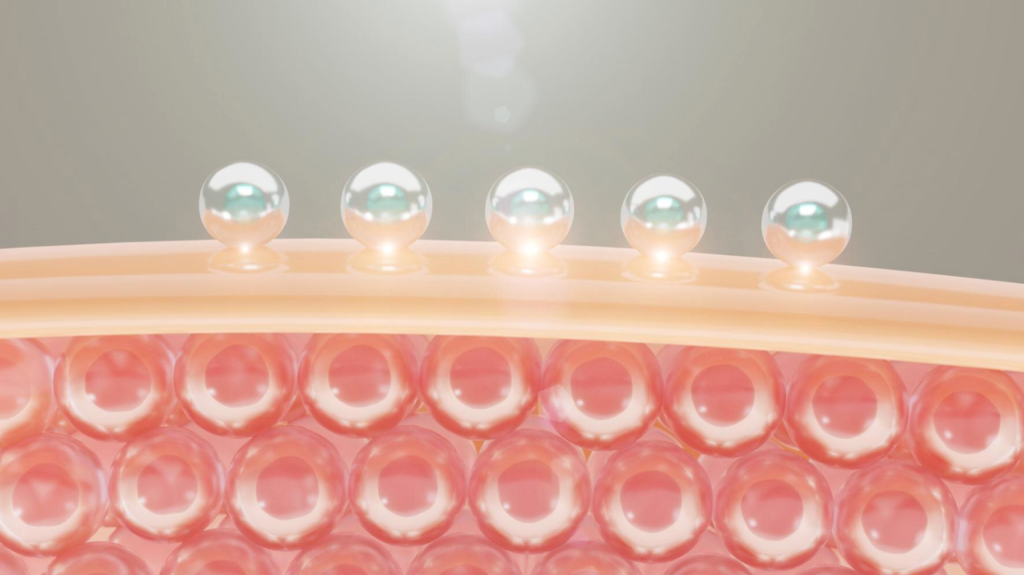
Every time I scan ingredient lists, review new product launches, or study skincare trend data, one truth becomes clearer: barrier repair isn’t just having a moment—it’s becoming the moment. What once felt like a niche concern—limited to reactive skin types or post-treatment protocols—has now moved squarely into the mainstream. And for good reason.
Over the past few years, I’ve watched as thousands of customers—burned out by harsh actives, environmental stress, or misunderstood regimens—began asking better questions. Why does my skin sting when I apply my favorite serum? Why does it feel tight after cleansing, even though I moisturize? Why does redness show up no matter what I use? The answer almost always points back to one thing: a disrupted skin barrier.
Skin barrier repair has evolved from niche trend to core skincare expectation, driven by consumer demand for soothing, microbiome-safe solutions. Smart brands are leading with science-backed formulations—using ceramides, niacinamide, and panthenol—while positioning themselves as trusted recovery systems that deliver comfort, restore function, and earn long-term customer loyalty.
6 Best Ingredients to Replace Retinol — Backed by Formulators, Not Just Trends
I’ve had this conversation more times than I can count — sitting across from a client, reviewing a formula, or testing new actives in the lab — and the question always comes up:
“Retinol works, but… is there something else?”
The best replacements for retinol include Bakuchiol, Peptides, Niacinamide, Vitamin C, AHAs, and Pro-Xylane—each offering gentler, effective benefits like collagen support, brightening, and smoothing, without irritation or pregnancy-related concerns.
Something gentler. Something safer. Something more compatible with real skin, real routines, and real lives.
And I get it. Retinol has earned its reputation — it’s been called the gold standard for anti-aging, brightening, smoothing, firming. But it also comes with baggage. Redness, flaking, sensitivity. Ingredient restrictions. Usage limitations. And for many people, that trade-off just isn’t worth it.
Is pro-xylane the same as retinol?
I remember the first time I saw the word “Pro-Xylane” printed on the back of a firming cream — tucked between peptides and hyaluronic acid in a list of ingredients I’d mostly heard of. It sounded high-tech, maybe even promising, but I had no idea what it actually did. And like many people who work in or around skincare, my first instinct was to compare it to something I already knew: Retinol.
Because let’s be honest — Retinol has been the gold standard in anti-aging for decades. We’ve all seen it praised for everything from smoothing fine lines to clearing breakouts. But over time, I also started to hear a different side of the story. People — especially those with dry, sensitive, or maturing skin — were getting burned out by Retinol. Literally. Redness, flaking, irritation. And that opened up a bigger question:
Is there a gentler way to firm and strengthen skin — without compromising results?
That’s when Pro-Xylane started to surface more and more. In conversations with formulators. In high-end product launches. In user reviews saying things like, “It made my skin feel bouncier without the sting.” But the confusion hasn’t gone away. People still ask:
Is Pro-Xylane just another name for Retinol? Do they do the same thing? Can you use both? And which one is right for your skin?
No, Pro-Xylane and Retinol are not the same—Retinol boosts cell turnover to reduce wrinkles, while Pro-Xylane strengthens the skin’s structure to improve firmness and hydration, offering gentler results with less irritation.
That’s exactly what we’re going to unpack here — clearly, honestly, and with enough depth that by the end, you’ll not only know the difference, but also understand why choosing the right active matters more than ever.
So whether you’re building a skincare line, creating content for your beauty audience, or just trying to upgrade your own nighttime routine — this guide was written for you.
Let’s break it down.
How to Unclog Pores: A Comprehensive Guide for 2025

In 2025, the conversation around skincare has become sharper—and pore health is at the center of it. While flawless, glass-like skin was once the domain of beauty campaigns and magazine covers, today’s standards are shaped by digital filters and high-definition content. Consumers aren’t just noticing pores—they’re fixating on them. Whether it’s under the glare of a ring light or zoomed in on a TikTok tutorial, visible pores can undermine the appearance of smooth, healthy skin in seconds.
But the pressure to achieve “poreless perfection” isn’t just about surface image. Many of today’s skincare users, especially younger demographics, understand that clogged pores are more than a cosmetic concern—they’re the gateway to breakouts, rough texture, inflammation, and long-term skin imbalance. As a result, demand is growing for solutions that go beyond temporary fixes: products that not only clear the pores now, but also strengthen the skin barrier, reduce excess oil, and prevent future congestion.
In this comprehensive guide, I’ll break down what causes clogged pores, what ingredients are most effective for clearing them, and how brands can formulate with intention in 2025 to meet this growing consumer demand. Whether you’re creating a focused pore care line or integrating congestion support into a broader skincare range, this guide is designed to help you lead with clarity, science, and strategy.