
Top Ingredients for Naturally Plump Lips

Let’s be honest — we’ve all been there. You swipe on a gloss, feel that little tingle, check the mirror… and wonder, is it actually working, or is this just a fancy burn in a tube? I’ve tested enough lip products — and formulated enough from scratch — to tell you this: real lip plumping […]
What is the skinification trend?

When I first heard the term “skinification”, it sounded like just another buzzy word floating around in beauty marketing. But the more I looked into it—and the more conversations I had with product developers, editors, and ingredient suppliers—the more I realized: this isn’t just a passing trend. This is a shift in how we formulate, how we use products, and how we think about skin itself.
Skinification is the growing trend of using facial-grade skincare ingredients—like hyaluronic acid and peptides—on the entire body, including the scalp, lips, and hair, to promote healthier, more radiant skin from head to toe.
Today, skincare-grade ingredients aren’t just living in glass jars labeled “serum” or “face cream.” We’re seeing hyaluronic acid show up in shampoos, retinol in body lotions, and ceramides in lip treatments. Even oral care is getting a glow-up. This is skinification in action: the idea that every inch of our body—from scalp to soles—deserves the same thoughtful, targeted care we once reserved only for the face.
But this movement isn’t just happening on ingredient labels. It’s taking shape in how we position products, educate consumers, and tell brand stories. I’ve watched DTC founders reframe their shampoo as a “scalp serum in disguise,” while beauty editors now treat hand cream as a serious part of their anti-aging routine. What started on TikTok has rapidly become a strategic tool in product development and brand differentiation.
In this article, I’ll break down what skinification really means—beyond the buzz—and walk you through the science, the strategy, and the opportunity. Whether you’re building products, reviewing them, or simply trying to make smarter choices about what you put on your skin, I promise you: skinification is worth paying attention to.
Let’s get into it.
Many Gen Z Americans Have Sun Safety All Wrong

When I first began exploring Gen Z’s relationship with sun safety, I expected to find a well-informed generation — one raised in the era of skincare influencers, SPF memes, and “wear your sunscreen” reminders plastered across TikTok. What I found instead was something far more complex: a generation deeply immersed in skincare culture, but quietly misinformed about the most basic form of protection.
We often assume that cultural visibility translates to behavioral change. After all, Gen Z is the most digitally connected demographic in history. They’re the ones driving the clean beauty movement, advocating for cruelty-free products, and questioning every ingredient on a label. But when it comes to sunscreen — arguably the most critical daily habit for long-term skin health — many of them are still operating on myths passed down from older siblings, outdated school health lessons, or TikTok trends that prioritize aesthetics over accuracy.
One of the most striking statistics I came across was this:
Many Gen Z individuals misunderstand sun safety—over half regret not protecting their skin earlier, with 22% already seeing sun damage and 28% unaware that UV exposure causes premature aging.
Best sunscreen ingredients and which ones to avoid
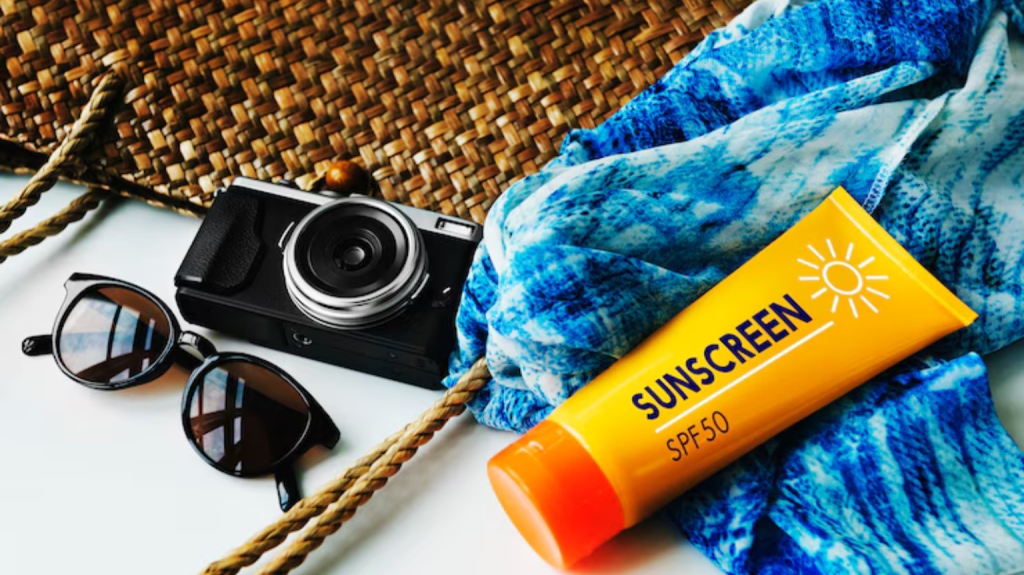
I still remember the first time I had a reaction to a sunscreen. I was hiking in dry weather, thought I’d done everything right — high SPF, water-resistant, a brand that seemed reputable. But within an hour, my skin felt tight and irritated, and by the next morning, I was dealing with a stubborn rash that took days to calm. That moment changed the way I looked at sunscreens forever.
For safe and effective sun protection, choose mineral-based sunscreens with zinc oxide or titanium dioxide, which offer broad-spectrum coverage, and avoid harmful ingredients like oxybenzone, octinoxate, and retinyl palmitate due to their links to skin irritation, hormone disruption, and environmental damage.
Since then, I’ve spent years immersed in formulation work — not just making sunscreen, but studying how different filters affect the skin, how regulations vary around the world, and why some ingredients continue to show up in products despite growing concerns from dermatologists, regulators, and everyday users.
If you’ve ever felt overwhelmed reading a sunscreen label — or wondered why your skin reacts to some formulas but not others — you’re not alone. And if you’re creating your own skincare line or guiding others in choosing safer options, knowing what’s inside that tube is more important than ever.
Meet Blackbird at Cosmoprof 2025 to Discover The Next Revolution in Skincare
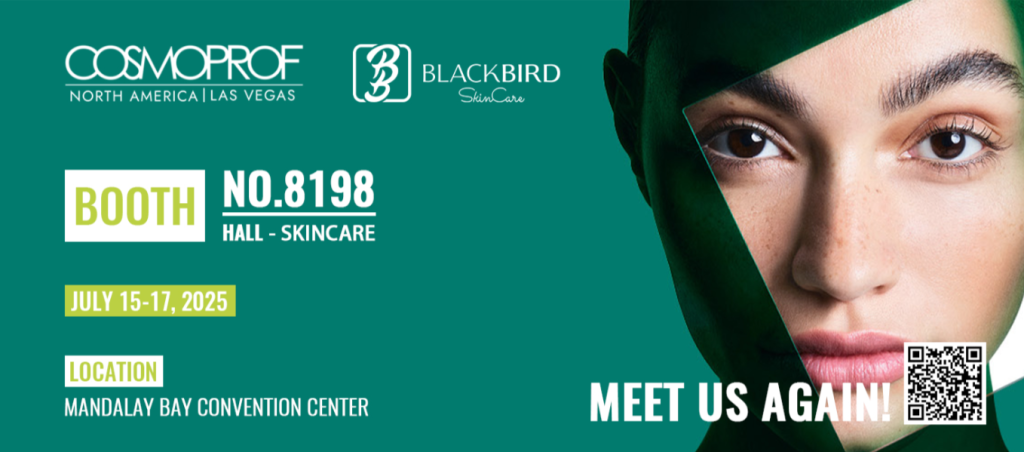
We are excited to announce that Blackbird Skincare will be exhibiting at the 22nd edition of Cosmoprof North America (CPNA) — one of the most influential B2B beauty trade shows in the Western Hemisphere. This year’s event will take place from July 15 to 17, 2025, at the Mandalay Bay Convention Center in Las Vegas, […]
Private Label Skincare vs Contract Manufacturing: What’s the Difference?
Launching a skincare brand today involves far more than having a great idea or picking a trendy ingredient. One of the first—and most critical—decisions you’ll need to make is choosing the right manufacturing model. For many founders, that decision comes down to two options: private label skincare or contract manufacturing. On the surface, both seem to offer the same outcome—your own branded skincare product. But in reality, they represent two very different paths, with distinct implications for cost, control, speed to market, and long-term brand growth.
Private label allows you to work with ready-made formulas that can be customized with your branding. It’s faster, often more affordable upfront, and ideal for getting a product to market quickly. Contract manufacturing, on the other hand, involves developing a completely custom formula from the ground up. This option offers full creative control and the potential for product exclusivity—but it also requires more time, a larger budget, and deeper involvement in product development.
Understanding the difference between these two approaches is essential—because the model you choose won’t just affect your first product launch. It will shape your supply chain, your brand identity, and how your customers perceive your value over time. In this article, we’ll break down the key differences between private label and contract manufacturing, highlight the pros and cons of each, and help you determine which one best fits your vision, resources, and growth strategy.
Whether you’re starting from scratch or evolving an existing skincare concept, making an informed decision about how your products are made is one of the most strategic choices you’ll face. Let’s explore both paths—so you can move forward with clarity and confidence.
Top 10 Trending Skincare Niches in 2025 for Private Label Brands
The skincare industry in 2025 is no longer about “one-size-fits-all”—it’s about precision, purpose, and personalization. Consumers today aren’t just picking up any cleanser or moisturizer off the shelf; they’re searching for products that understand their unique skin concerns, align with their personal values, and fit seamlessly into their lifestyle.
For private label skincare brands, this shift represents both a challenge and a major opportunity. With thousands of new brands launching each year, competition is fiercer than ever. It’s no longer enough to have a “good” product—you need a sharp focus. You need a niche that not only resonates with a specific audience but also taps into real emotional needs and buying behaviors.
Identifying the right niche isn’t about chasing the latest hype. It’s about finding that sweet spot where growing market demand, low saturation, and authentic brand positioning intersect. It’s about becoming the go-to solution for a specific customer—and doing it better than anyone else.
In this guide, I’ll walk you through the top 10 trending skincare niches for 2025 that offer exciting opportunities for private label brands. Whether you’re launching your first product line or looking to reposition your brand, these niches are designed to help you find your edge—and build a skincare business that stands out and lasts.
Ready to see where the future of skincare is heading? Let’s dive in.
The Ultimate Guide to Anti-Aging Skincare: Private Label
When I think about the most powerful categories in skincare today, anti-aging always stands out. It’s not just a trend—it’s a cornerstone of the beauty industry, and it continues to evolve alongside consumer expectations. What used to be a niche reserved mainly for older demographics has now become a lifestyle category embraced by people of […]
Cosmprof Miami 2025 Cosmo Trends Report
Welcome to my deep dive into the Cosmoprof North America Miami 2025, where innovation meets legacy in the bustling heart of the beauty industry. This year, I had the pleasure of exploring an event that continues to set the pace for beauty trends around the globe. The CosmoTrends Report, in collaboration with BEAUTYSTREAMS, has yet again curated a breathtaking panorama of breakthroughs, which I am eager to share with you.
Cosmoprof North America Miami’s 2025 CosmoTrends Report reveals cutting-edge innovations in beauty, highlighting the latest in LED therapy, sustainable packaging, and sensory beauty products, setting the stage for future trends in the industry.
The 2025 edition of the CosmoTrends Report particularly stands out for its comprehensive analysis of emerging trends that are defining the future of beauty—from revolutionary LED therapy devices that promise to enhance our skincare routines to sustainable packaging solutions that speak to our environmental consciousness. This year’s report also delves into the sensory explosion in beauty products, where visual appeal and tantalizing textures are crafted to enchant the most discerning consumers and professionals alike.
As we navigate through these innovations, I invite you to explore how these trends can influence your work or content, offering fresh insights and opportunities to enrich your professional palette. Let’s embark on this journey together, inspired by the creativity and forward-thinking that Cosmoprof Miami showcases, ready to integrate these insights into our practices and narratives in the ever-evolving world of beauty.
Top 10 Private Label Neck Cream Manufacturers 2025

As the skincare industry continues to grow and evolve, neck creams have become a vital part of many consumers’ daily routines. With increasing demand for products that target the delicate skin on the neck and décolletage, the market for private label neck creams is thriving. Whether it’s anti-aging, firming, or moisturizing benefits, consumers are looking for highly effective solutions to address these specific concerns. In 2025, businesses in the beauty and wellness sector will have a unique opportunity to tap into this rapidly expanding market. However, to create a neck cream that not only meets the demands of discerning consumers but also stands out in a competitive marketplace, partnering with the right manufacturer is crucial