
11 Major Problems Facing the Beauty Industry Today
The beauty industry is one of the most dynamic and fast-moving markets in the world. I’ve had the opportunity to watch it grow into a global powerhouse worth hundreds of billions, driven by innovation, cultural shifts, and an endless appetite for new products. But for all its success, I’ve also seen a side of the industry that isn’t discussed as openly: the persistent challenges that shape how brands operate and how consumers experience beauty products every day.
These problems aren’t just minor obstacles—they influence everything from product development and brand positioning to consumer trust and long-term growth. Whether you’re an industry professional navigating supply chain challenges, a beauty enthusiast wondering why your favorite product changed formulas, an investor assessing where the market is headed, a journalist uncovering the next industry shake-up, or an innovator looking to bring fresh ideas to the table, understanding these challenges is essential.
A Complete Guide for Private Label to Choose the Best Face Serum
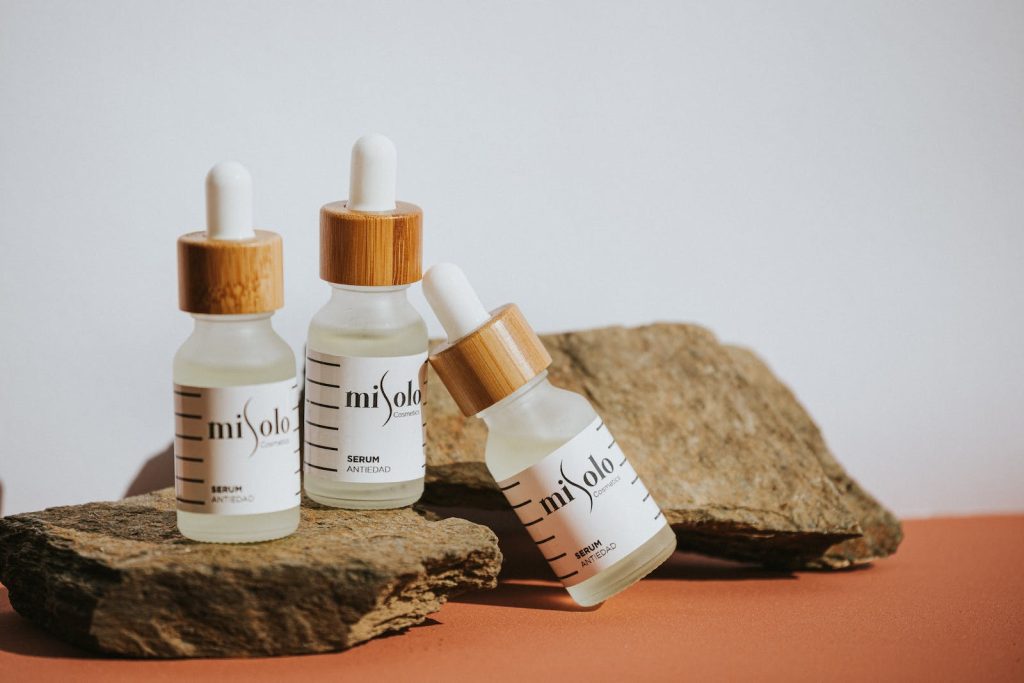
When I speak with new skincare founders or brand managers stepping into the world of private label, one question comes up again and again: “How do I choose the right face serum for my brand?” And I get it—face serums are no longer just another step in the routine. In today’s market, they’re often the hero product that defines your brand’s performance, efficacy, and positioning.
What makes this choice so complex in 2025 is the sheer volume of options and expectations. Serums now need to do more than target wrinkles or dryness—they must reflect your brand values, suit your target demographic’s skin concerns, meet regulatory standards, and offer trend-forward actives without compromising stability or texture. You’re not just picking a formula—you’re curating a message, a result, and a long-term relationship with your consumer.
In this guide, I’ll walk you through everything I’ve learned from helping brands navigate this process—from understanding your audience’s skincare priorities to choosing between popular actives like niacinamide, peptides, or retinol, and selecting the right base texture for different regional preferences. Whether you’re building your first serum SKU or expanding into performance-driven skincare, this article will help you make strategic, informed decisions backed by formulation logic and market insight.
Let’s break it down—step by step—so you can create a product that not only looks good on the shelf, but performs exceptionally well on the skin.
Top 16 Private Label Shampoo Manufacturers 2025
In my journey through the beauty industry, I’ve witnessed firsthand the transformative impact that a well-crafted shampoo can have on a brand’s reputation and its bottom line. As we step into 2025, the landscape of private label shampoo manufacturing continues to evolve, driven by consumer demands for sustainability, customization, and innovative formulations. With a seasoned eye for both market trends and timeless quality, I’ve curated a list of the top 16 private label shampoo manufacturers that stand out in this dynamic industry.
Each manufacturer on this list has been evaluated based on their innovation, compliance with international standards, customer service excellence, and their ability to provide comprehensive solutions from formulation to final product delivery. As we explore these top contenders, you’ll discover that whether you are looking to launch a new product line or expand your existing offerings, these manufacturers have the expertise to elevate your brand and meet the discerning needs of today’s market.
Join me as we delve into the world of private label shampoo manufacturing, where each company brings something unique to the table, from cutting-edge R&D capabilities to bespoke branding services that resonate with consumers. This guide is designed to equip you with the knowledge and insights needed to make an informed decision, one that ensures your brand not only survives but thrives in the competitive beauty landscape of 2025.
Top 12 Private Label Eye Care Manufacturers 2025
As someone deeply immersed in the skincare manufacturing world, I know firsthand how challenging it can be to find the right partner when launching or expanding an eye care product line. Eye care is one of the most demanding categories in skincare—it’s where precision meets sensitivity. The skin around the eyes is thinner and more delicate than anywhere else on the face, and consumers expect visible results: reduced puffiness, softened fine lines, brightened dark circles, and a lightweight, luxurious feel. That’s a lot of responsibility for a tiny jar or tube.
What makes this search even harder is the flood of generic manufacturers claiming to be “natural,” “innovative,” or “affordable,” without offering real insight into what they actually provide. In reality, the best private label partners are the ones who understand both the science of formulation and the business of branding. They guide you not just through production—but also through scalability, compliance, design, and shelf appeal. That’s why compiling this list was more than a research project—it was a matter of professional curiosity and industry vetting.
In this article, I’ve curated what I believe to be the Top 12 Private Label Eye Care Manufacturers in 2025, based on a mix of critical factors: product quality, formulation integrity, startup-friendliness (like low MOQs), innovation capacity, and support for branding and compliance. These manufacturers don’t just fill jars—they help build brands.
Whether you’re developing an anti-aging peptide eye cream, a brightening caffeine serum, or a soothing gel for tired eyes, this list includes options that cater to different business stages, budget sizes, and formulation needs. I’ve assessed each one from the perspective of someone who works with product development daily—so you’ll get more than just sales jargon. You’ll get a real, honest look at why each of these companies deserves a spot on your radar.
Let’s dive in.
Sallow Skin: Causes, Symptoms, and Skincare Treatments That Work
Sallow skin is one of those concerns that doesn’t always get the attention it deserves—but it should. When I first encountered clients struggling with dull, yellowish skin tones that just wouldn’t improve with regular moisturizers or brightening serums, it became clear this wasn’t just a cosmetic issue. It was a signal of deeper imbalances—nutritional gaps, lifestyle stress, environmental overload, or even internal inflammation.
What makes sallow skin different from general dullness is its distinct undertone and often persistent appearance. It can make someone look tired, aged, or even unwell, even if they’re following a seemingly good skincare routine. And yet, many products on the market treat it as an afterthought.
That’s why in this guide, I want to go beyond surface-level advice and offer a comprehensive exploration into what really causes sallow skin—and how to effectively treat it. Whether you’re developing skincare products for tired, stressed-out skin or seeking solutions that align with real skin biology, this post outlines actionable insights grounded in both science and strategy.
Let’s start by understanding what sallow skin really is, why it happens, and how to bring vitality back into the complexion—one targeted step at a time.
What Is Private Label Skincare and How It Works
Private label skincare, crafted by third-party manufacturers, allows brands to create customized, unique products under their own name, blending creativity, commerce, and brand identity in the beauty industry.
How to choose the best cosmetics manufacturer for Your Startup
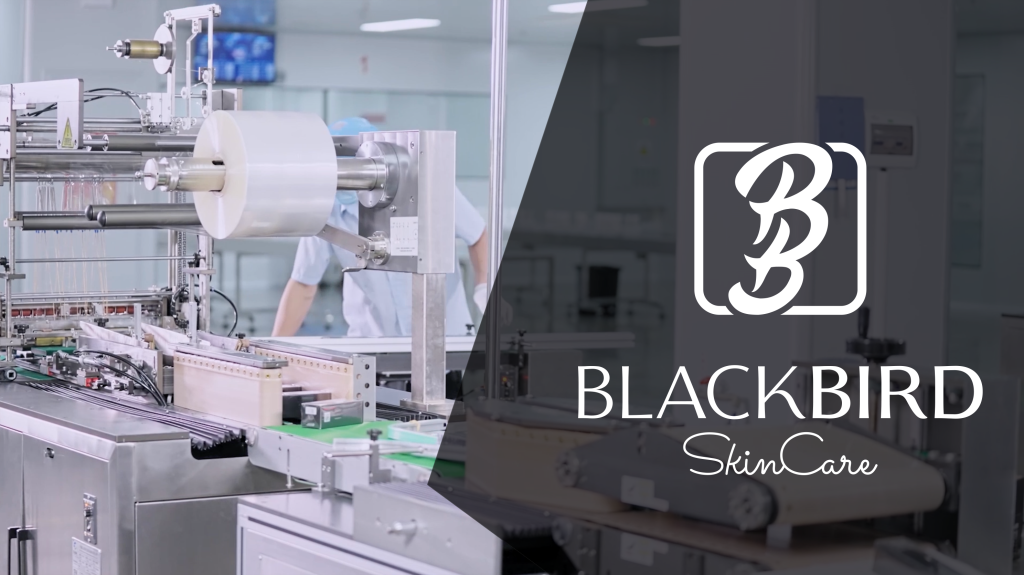
It covers everything from deciding what type of cosmetics you want to produce, to researching potential manufacturers, checking their credentials and testing samples of their products. It also includes tips on how to communicate effectively with manufacturers and what to look for in a good manufacturer.
Is Private Label Skin Care Profitable?
Yes,Private label skincare offers higher profit margins, typically 50-70%, compared to traditional brands due to cost-effective production, targeted marketing, and direct-to-consumer sales. Success hinges on strategic choices in production scale, niche targeting, and cost management.
Is It Hard to Start a Beauty Business Explained with Key Challenges and Solutions
Starting a beauty business is not hard if you plan well and understand the industry. Key factors include knowing market demand, adhering to regulations, and having a clear brand vision. Proper research and preparation are crucial for success in the competitive beauty market.
Skin Barrier Repair Is the Next Hero Claim—And Smart Skincare Brands Are Already Leading

Every time I scan ingredient lists, review new product launches, or study skincare trend data, one truth becomes clearer: barrier repair isn’t just having a moment—it’s becoming the moment. What once felt like a niche concern—limited to reactive skin types or post-treatment protocols—has now moved squarely into the mainstream. And for good reason.
Over the past few years, I’ve watched as thousands of customers—burned out by harsh actives, environmental stress, or misunderstood regimens—began asking better questions. Why does my skin sting when I apply my favorite serum? Why does it feel tight after cleansing, even though I moisturize? Why does redness show up no matter what I use? The answer almost always points back to one thing: a disrupted skin barrier.
Skin barrier repair has evolved from niche trend to core skincare expectation, driven by consumer demand for soothing, microbiome-safe solutions. Smart brands are leading with science-backed formulations—using ceramides, niacinamide, and panthenol—while positioning themselves as trusted recovery systems that deliver comfort, restore function, and earn long-term customer loyalty.