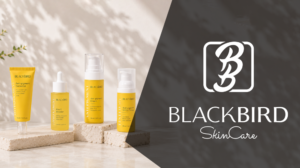
Achieving a brighter, more even complexion remains one of the most important goals in skincare. Today, skin pigmentation is widely recognized as a complex biological process driven by multiple intrinsic and extrinsic factors rather than a single biological mechanism. Recent scientific reviews suggest that effective pigmentation management requires multi-targeted formulation strategies instead of relying on a single brightening ingredient.
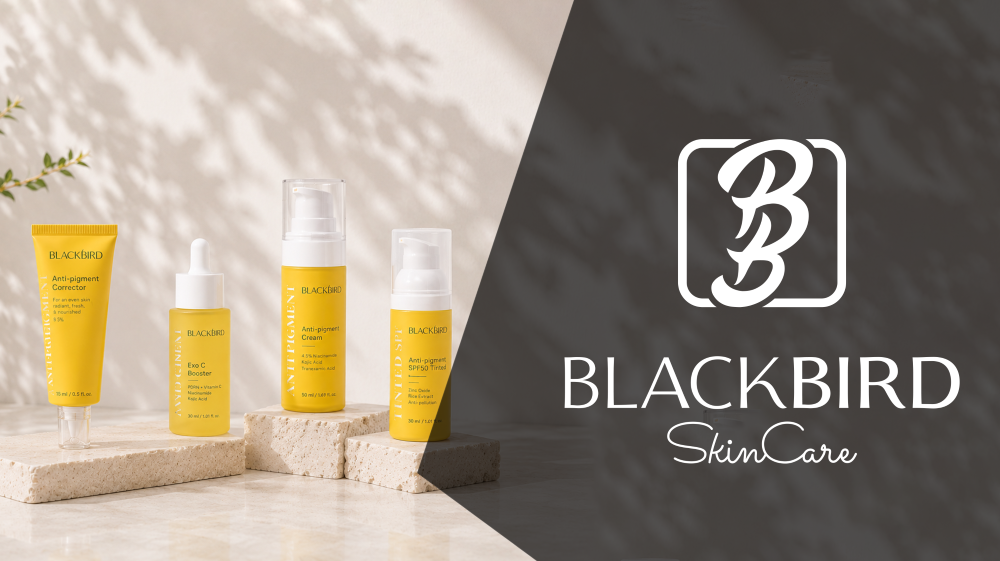
Inspired by this evolving understanding, we created the Pigmentation & Dark Spot Series—a collection of trend-driven product concepts designed to help beauty brands explore next-generation pigmentation solutions through science-led formulation strategies.
Key Takeaways
- Pigmentation develops through multiple biological pathways rather than a single process.
- Effective pigmentation care combines multiple formulation strategies instead of relying on one brightening ingredient.
- Prevention, correction, and long-term skin tone management are becoming equally important in modern pigmentation care.
- The Pigmentation & Dark Spot Series translates these scientific principles into market-ready product concepts.
What Is Modern Pigmentation Skincare? (Quick Answer)
Modern pigmentation skincare takes a multi-pathway approach to improving uneven skin tone by addressing melanin production, pigment transfer, skin renewal, antioxidant defense, and UV protection rather than relying on a single brightening ingredient.
Understanding the Biology of Pigmentation
Uneven skin tone and dark spots are not caused by a single biological event. Instead, pigmentation develops through a series of interconnected processes influenced by both intrinsic and extrinsic factors, including UV exposure, inflammation, acne, hormonal changes, pollution, and skin aging. Because multiple mechanisms contribute to visible discoloration, effective pigmentation care requires a more comprehensive formulation strategy.
The pigmentation process can be understood in five key stages:
| Stage | What Happens | Common Skin Concerns |
| Triggers | UV radiation, inflammation, hormonal fluctuations, pollution, and aging stimulate melanocyte activity. | Sun spots, post-acne marks, melasma, age spots |
| Melanin Production | Melanocytes produce melanin through enzymatic pathways, primarily involving tyrosinase. | Increased pigmentation and uneven skin tone |
| Pigment Transfer | Melanin is transferred from melanocytes to surrounding keratinocytes, making discoloration more visible on the skin surface. | Dullness and uneven pigmentation |
| Pigment Accumulation | Slower skin renewal allows pigmented cells to accumulate within the epidermis. | Persistent dark spots and post-inflammatory hyperpigmentation |
| Recurrence | Continued UV exposure and environmental stress can reactivate melanin production, causing pigmentation to return. | Recurrent pigmentation and treatment rebound |
Understanding this biological pathway explains why modern pigmentation care has evolved beyond single-ingredient brightening products. Instead, today’s formulations are increasingly designed to target multiple stages of pigmentation formation through complementary mechanisms, helping brands develop more comprehensive and science-led skincare solutions.
The Multi-Pathway Strategy Behind Modern Pigmentation Care
Modern pigmentation care is increasingly moving toward multi-pathway formulation strategies that combine complementary mechanisms rather than relying on a single brightening approach. By addressing different stages of pigmentation development, brands can create more comprehensive solutions for uneven skin tone, discoloration, and long-term pigmentation management.
A well-designed pigmentation system typically combines five key strategies: regulating melanin production, reducing pigment transfer, supporting skin renewal, strengthening antioxidant defense, and providing daily UV protection. Together, these approaches create a more complete framework for developing next-generation pigmentation products.
| Strategy | How It Supports Pigmentation Care | Representative Ingredients |
| Inhibit Melanin Production | Helps reduce excess melanin formation by regulating tyrosinase activity while minimizing oxidative stress. | 4-Butylresorcinol, Alpha-Arbutin, Vitamin C |
| Reduce Pigment Transfer | Helps limit the transfer of melanin from melanocytes to surrounding skin cells, improving overall skin tone. | Niacinamide |
| Accelerate Skin Renewal | Promotes epidermal turnover to help remove pigmented skin cells and improve the appearance of discoloration. | Retinal, Gluconolactone (PHA) |
| Antioxidant Defense | Helps protect skin against oxidative stress caused by UV exposure and environmental aggressors that may contribute to pigmentation. | Vitamin C, Ferulic Acid, Vitamin E |
| Daily UV Protection | Helps reduce UV-induced pigmentation and supports long-term prevention of recurring dark spots. | Zinc Oxide SPF50, Iron Oxides |
These five strategies provide the formulation foundation behind the Pigmentation & Dark Spot Series, where different active ingredients and product formats are combined to address pigmentation through multiple complementary pathways.
Product Concepts Within the Pigmentation & Dark Spot Series
The Pigmentation & Dark Spot Series applies a multi-pathway formulation strategy across different product formats, allowing brands to build comprehensive pigmentation collections rather than relying on standalone brightening products.
Anti-Pigment Corrector
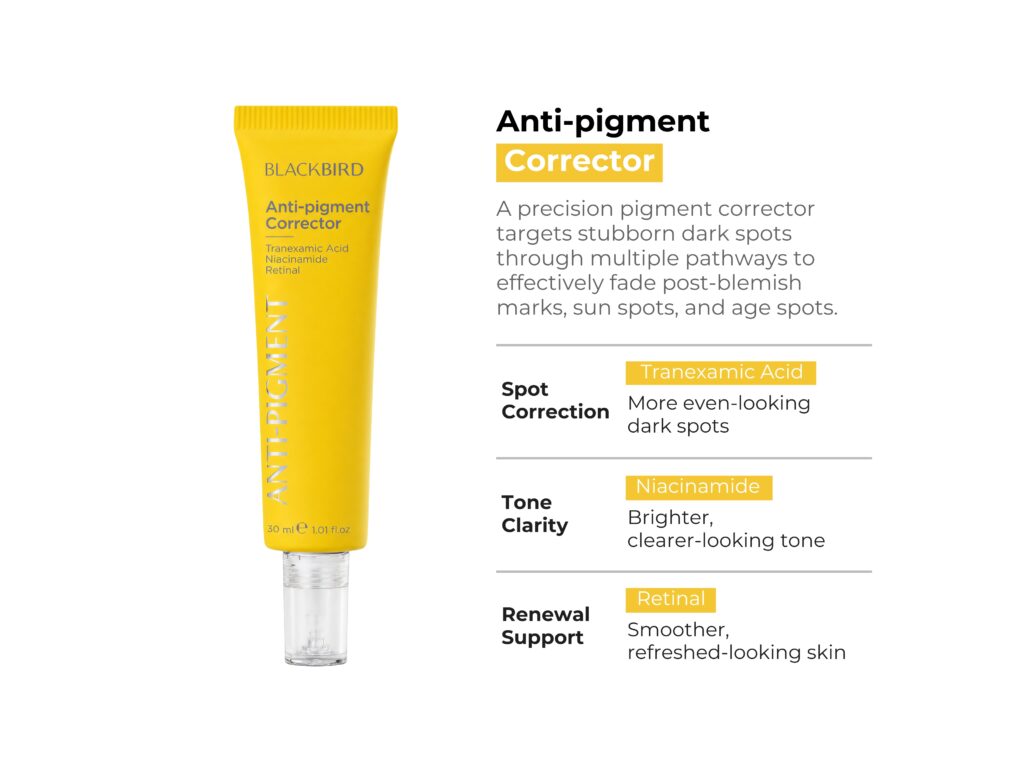
The Anti-Pigment Corrector is a targeted spot treatment concept developed to address stubborn pigmentation through a science-led, multi-pathway formulation strategy. By combining Tranexamic Acid (TXA), Niacinamide, Retinal, and Gluconolactone (PHA), the formula is designed to help reduce pigmentation signals, limit pigment transfer, and accelerate skin renewal for a more even-looking complexion. It is particularly suitable for post-acne marks, sun spots, age spots, and persistent discoloration.
Concept Highlight
Rather than relying on a single brightening ingredient, this concept combines complementary actives that work across multiple pigmentation pathways. Tranexamic Acid helps reduce inflammation-related pigmentation signals, Niacinamide minimizes pigment transfer while supporting the skin barrier, and Retinal together with PHA promotes epidermal renewal to improve the appearance of stubborn discoloration. This multi-pathway formulation strategy reflects the growing demand for more comprehensive, science-led pigmentation solutions.
Why It Fits Today’s Market
As consumers seek more targeted solutions for pigmentation concerns, brands are moving beyond traditional brightening claims toward more comprehensive treatment concepts. Designed for performance-driven skincare brands, this concept offers a differentiated spot treatment that combines multiple pigmentation pathways into a single formulation, helping brands build science-inspired collections with stronger clinical positioning.
Anti-Pigment Cream
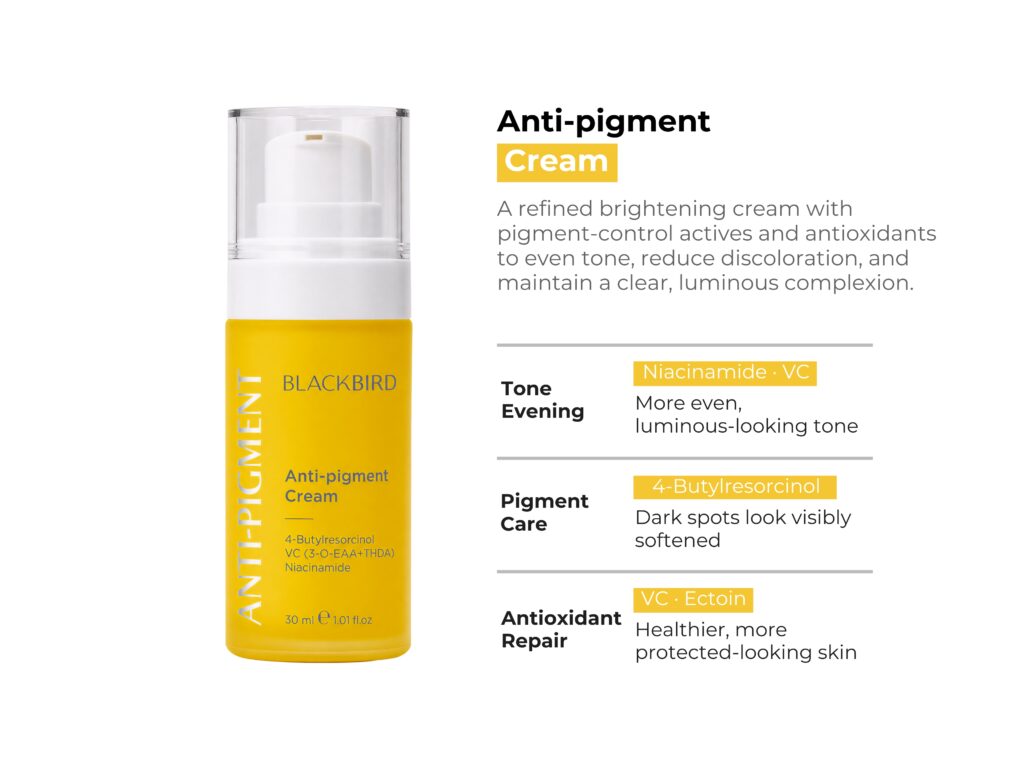
The Anti-Pigment Cream is a brightening moisturizer concept developed for daily, full-face pigmentation care. Combining high-performance pigmentation actives with antioxidant and barrier-supporting ingredients, the formula is designed to help improve uneven skin tone, reduce the appearance of discoloration, and maintain a brighter, healthier-looking complexion over time. It is ideal for long-term management of diffuse pigmentation, dullness, and overall skin radiance.
Concept Highlight
Designed for comprehensive daily pigmentation care, this concept combines 4-Butylresorcinol, Dual Vitamin C, and Niacinamide to help regulate melanin production, brighten the complexion, and improve overall skin tone. Ectoin, Bisabolol, and Dipotassium Glycyrrhizate complement the brightening system by supporting the skin barrier and helping improve skin comfort, making the formula suitable for continuous daily use. This balanced formulation strategy reflects the growing demand for pigmentation products that combine visible efficacy with long-term skin health.
Why It Fits Today’s Market
Daily-use brightening creams remain one of the core products within pigmentation care routines. By combining pigmentation correction, antioxidant protection, and barrier support in a single moisturizer, this concept enables performance-driven skincare brands to create a multifunctional hero product that encourages long-term use while complementing targeted treatment products.
Exo C Booster
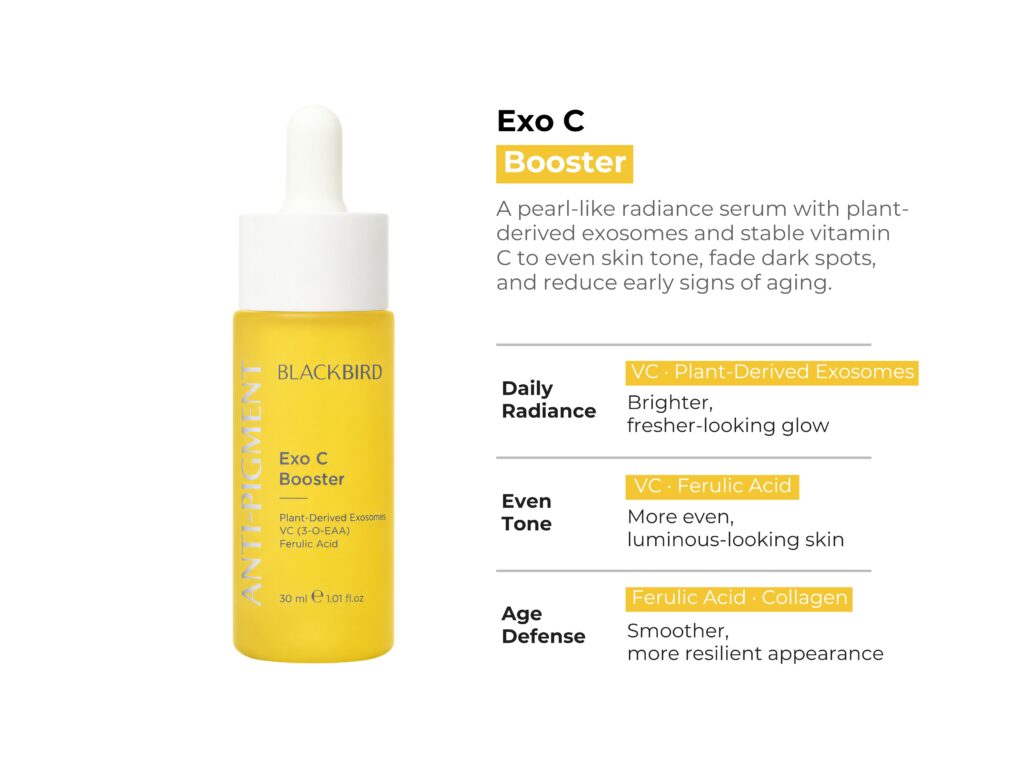
The Exo C Booster is a radiance-enhancing serum concept developed to brighten dull-looking skin while supporting early pigmentation care and healthy skin aging. Combining plant-derived exosomes with stable Vitamin C, antioxidant actives, and skin-conditioning ingredients, the formula is designed to help improve skin radiance, even skin tone, and defend against environmental stressors that contribute to discoloration and premature aging. Its luminous pearl finish also makes it suitable for daily glow-enhancing skincare routines and pre-makeup application.
Concept Highlight
This concept combines plant-derived exosomes, Vitamin C 3-O-Ethyl Ascorbic Acid, and Ferulic Acid to deliver antioxidant protection while helping improve overall skin clarity and radiance. The addition of Hydrolyzed Collagen and Adenosine extends the concept beyond brightening by supporting smoother, healthier-looking skin and addressing early signs of aging. Finished with a subtle pearl-infused texture, the formula creates an instant glow while reinforcing its premium, radiance-focused positioning.
Why It Fits Today’s Market
As skincare continues to move beyond traditional brightening, products that combine instant radiance with long-term skin performance are becoming increasingly attractive across premium skincare collections. This concept brings together glow-enhancing aesthetics, antioxidant protection, and skin-renewing actives in a single serum, creating a differentiated concept that extends beyond conventional Vitamin C products.
Anti-Pigment SPF50 Tinted
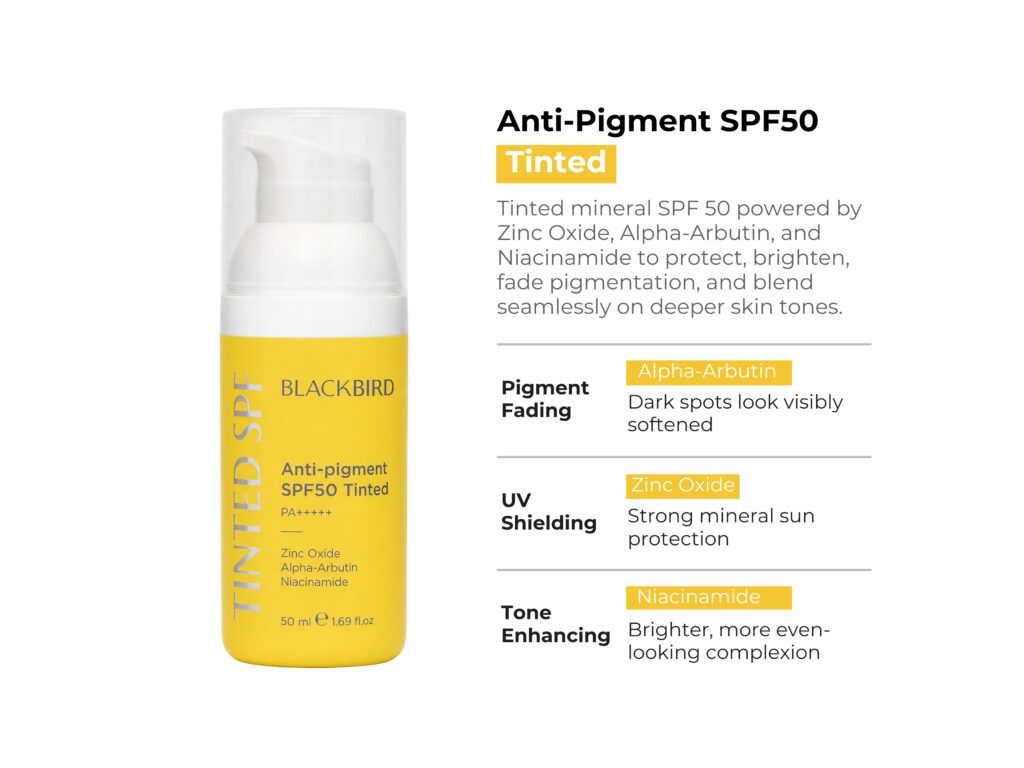
The Anti-Pigment SPF50 Tinted is a mineral sunscreen concept designed to complete the daily pigmentation care routine. Combining broad-spectrum SPF50 mineral protection with brightening actives and skin-tone-enhancing pigments, the formula helps protect against UV-induced pigmentation while improving the appearance of uneven skin tone. Its tinted finish blends naturally into medium to deeper skin tones, reducing white cast while delivering a more even-looking complexion.
Concept Highlight
Unlike conventional sunscreens that focus solely on UV protection, this concept integrates pigmentation prevention, tone correction, and daily skin enhancement into a single product. Zinc Oxide provides broad-spectrum UVA/UVB protection, while Alpha-Arbutin and Niacinamide support daily brightening care. The inclusion of Iron Oxides helps minimize white cast while offering additional protection against visible light, an increasingly recognized contributor to pigmentation concerns, particularly in medium to deeper skin tones. Together, these elements create a sunscreen concept that supports both pigmentation prevention and everyday wearability.
Why It Fits Today’s Market
Daily sun protection has become an essential part of modern pigmentation care rather than a standalone skincare step. As consumers look for products that simplify their routines without compromising performance, multifunctional sunscreens continue to gain momentum. By combining SPF50 mineral protection, tone-enhancing pigments, and brightening actives, this concept demonstrates how a single product can help complete the pigmentation care routine while delivering a more inclusive user experience for diverse skin tones.
From Trend to Product Concept: How Blackbird Brings Beauty Innovation to Market
Emerging beauty trends create new opportunities, but turning them into successful products requires more than selecting trending ingredients. It requires a clear product strategy, thoughtful formulation design, and market-ready execution.
At Blackbird Skincare, we help beauty brands translate emerging trends into differentiated skincare concepts by combining scientific insight with product development expertise. Our capabilities include:
- Trend & concept development – Transform emerging beauty trends into differentiated product concepts.
- Custom formulation – Develop science-inspired formulations tailored to your brand positioning.
- Packaging innovation – Explore innovative formats, applicators, and sustainable packaging solutions.
- Scalable manufacturing – Support flexible production from concept validation to commercial launch.
Whether inspired by emerging ingredients, evolving skincare science, or changing consumer trends, our goal is to help beauty brands transform innovative ideas into differentiated skincare concepts that are commercially relevant today and adaptable for tomorrow’s market.
As scientific understanding of pigmentation continues to evolve, product development is moving beyond single-ingredient brightening toward more comprehensive, multi-pathway formulation strategies. By addressing multiple stages of pigmentation formation—from melanin regulation and skin renewal to antioxidant defense and daily UV protection—brands have greater opportunities to develop differentiated products that support long-term skin tone management.
The Pigmentation & Dark Spot Series demonstrates how these emerging formulation strategies can be translated into market-ready product concepts across different product categories, helping brands build more complete and commercially relevant pigmentation care collections.
At Blackbird Skincare, we partner with beauty brands to transform evolving skincare science into innovative product concepts through strategic formulation development, packaging innovation, and scalable manufacturing—helping bring the next generation of skincare solutions to market.
Ready to develop your own pigmentation-focused skincare collection?
Contact Blackbird Skincare to explore custom formulation, packaging, and manufacturing solutions tailored to your brand.
FAQs
What causes pigmentation and dark spots?
Pigmentation is caused by factors such as UV exposure, post-acne inflammation, hormonal changes, pollution, and skin aging. These triggers stimulate melanin production, leading to uneven skin tone and visible dark spots.
Why is a multi-pathway approach important for pigmentation care?
Because pigmentation develops through multiple biological pathways, effective formulations target more than melanin production alone. They typically combine pigment regulation, skin renewal, antioxidant protection, and daily UV defense.
What ingredients are commonly used in pigmentation skincare?
Common pigmentation ingredients include Tranexamic Acid, 4-Butylresorcinol, Niacinamide, Vitamin C, Alpha-Arbutin, and Retinal. These ingredients work through different mechanisms to support a more comprehensive pigmentation strategy.
Why is sunscreen important for pigmentation management?
Daily sunscreen helps reduce UV-induced pigmentation and lowers the risk of dark spots returning. Tinted mineral sunscreens with iron oxides may also help protect against visible light while providing a more natural finish.
How can beauty brands develop pigmentation-focused skincare products?
Beauty brands can build complete pigmentation collections by combining targeted treatments, daily brightening products, antioxidant serums, and protective sunscreens. Partnering with an experienced skincare manufacturer can help transform these concepts into market-ready products.